

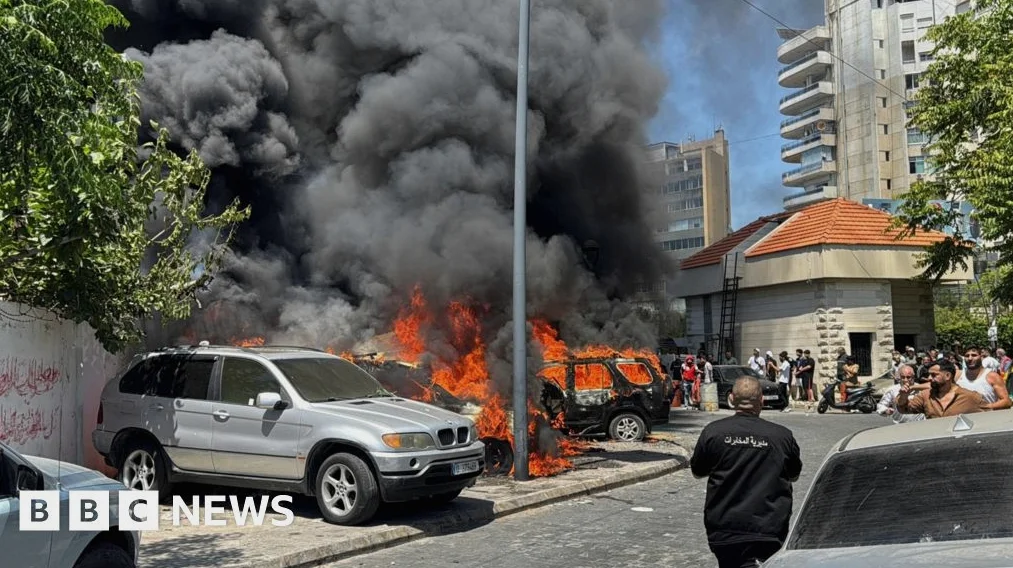
Israeli strikes in southern Lebanon killed 17 people on Wednesday, according to reports from the BBC and Al Jazeera; the casualties occurred in multiple locations across the country, including the town of Tyre and the municipalities of Habboush, Adshit, and Kfar Reman. Two people were pulled from a burning car after an Israeli drone strike, according to the AFP news agency and the NNA.
Expanding Conflict and Rising Death Toll
The Lebanese health ministry reported that 11 people were killed on Tuesday in the Massaken al-Shaabiya area of Tyre and elsewhere in the city — the Israeli military issued a new evacuation order for Tyre on Tuesday, which included its Christian quarter for the first time. The military also said it had struck six Hezbollah infrastructure sites in Tyre and ready-to-use launchers in other parts of southern Lebanon on Tuesday.
Separate strikes in the municipalities of Habboush and Adshit killed one person each, according to the NNA — In Kfar Reman, at least four people were killed in two separate attacks. Another Israeli attack in the town of el-Buss, within the Tyre district, killed three people and wounded nine others; Al Jazeera reported that Tyre has been repeatedly attacked in recent days, with five people killed on Monday and four paramedics wounded.
The overall death toll from the Israeli offensive has risen to 3,666 since March 2, with a further 11,321 injured, according to the Lebanese Ministry of Health. The conflict has also displaced more than a million people, or a fifth of Lebanon’s population, as fighting between Israel and Hezbollah intensifies; the Israeli military estimates that around 300,000 civilians have evacuated in Lebanon, according to the AFP.
International Response and Human Rights Concerns
UN human rights chief Volker Türk announced on Wednesday that he was sending a team of human rights investigators to Lebanon, at the request of the Lebanese government. The team will look at possible human rights violations committed by all sides since the start of March and is expected to present its findings at the end of July. Evidence gathered could be used in possible prosecutions for war crimes.
Israel has been informed of the mission, but it remains unclear whether it will cooperate, as the conflict began on March 2 when Hezbollah launched rockets into Israel in retaliation for an Israeli strike that killed Iran’s supreme leader. The latest escalation occurred after an Israeli attack on Beirut on Sunday, which triggered a flare-up in the broader conflict between Israel and Iran.
Regional Tensions and Escalation
The wave of deadly strikes came after Iran and Israel traded fire in the most significant escalation since their “ceasefire” began on April 8. Al Jazeera’s Obaida Hitto said that Israel has shown continuous escalation since the tit-for-tat exchange of fire between Iran and Israel was put on hold. Hezbollah announced that its fighters had targeted gatherings of Israeli troops and military vehicles in the southern Bayada and Yohmor areas with rocket barrages and shellfire.
Hezbollah, an Iran-aligned Lebanese armed faction, is now engaged in intensified fighting with Israel as U.S. and Israeli strikes against Iran contribute to a broader regional conflict. According to AFP, Israeli authorities said they carried out airstrikes in Beirut targeting Hezbollah on May 5. The Israeli military issued evacuation orders to civilians in southern Lebanon before the air raids, as reported by Lebanon’s state-run NNA news agency.
Lebanese authorities said that since March 2, at least 72 people have been killed, 437 injured, and about 83,000 have fled their homes. The ongoing violence has led to a significant humanitarian crisis in the region, with both sides accusing each other of civilian casualties and infrastructure destruction.






Comments
No comments yet
Be the first to share your thoughts