

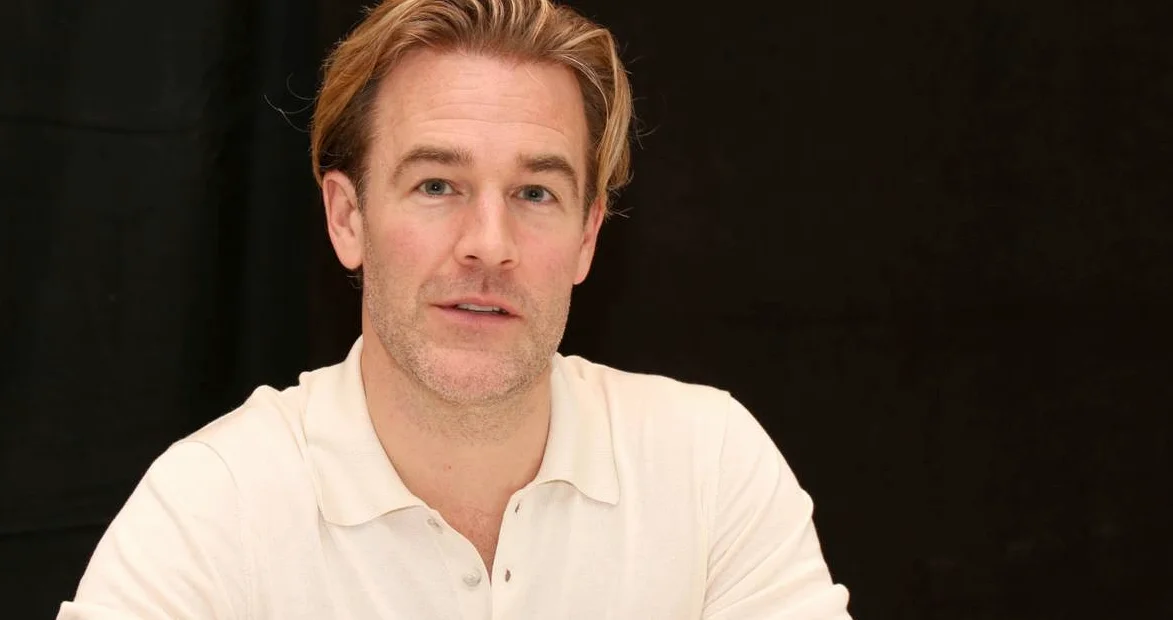
James Van Der Beek, best known for his iconic role in ‘Dawson’s Creek,’ left a lasting legacy across film and television, from teen dramas to self-deprecating comedy. His career spanned decades, evolving from a teen heartthrob to a self-aware performer who challenged his public image through bold roles.
The Rise of a Teen Icon
Van Der Beek’s career began in the late ’90s with the creation of ‘Dawson’s Creek,’ which premiered on The WB in 1998. The show followed a group of friends growing up in the fictional town of Capeside, Massachusetts. Van Der Beek played Dawson Leery, the show’s emotional center and moral compass. His performance earned him multiple Teen Choice Awards and Golden Globe nominations.
‘Dawson’s Creek’ was not only a cultural phenomenon but also a defining series of the era. Van Der Beek’s portrayal of Dawson Leery became synonymous with late-’90s youth culture, capturing the idealism, heartbreak, and creative ambition of his character. The show’s success cemented Van Der Beek as a household name.
Breaking the Mold in Film
Van Der Beek’s breakout role in ‘Dawson’s Creek’ led to his appearance in the 1999 film ‘Varsity Blues,’ where he played Jonathan ‘Mox’ Moxon, a backup quarterback in a fictional Texas town. The film explored the pressures placed on young athletes and the toxic win-at-all-costs mentality embodied by Jon Voight’s Coach Kilmer.
Despite the film’s success at the box office and its cult classic status, it was not an awards contender. However, it marked Van Der Beek’s ability to take on roles that challenged his teen heartthrob image. His performance as Mox was widely praised for its depth and authenticity.
A Bold Self-Parody in Comedy
In 2012, Van Der Beek took on one of his most unconventional roles in the ABC sitcom ‘Don’t Trust the B—- in Apartment 23.’ He played a fictionalized, exaggerated version of himself, a neighbor to the main characters. The role was a self-parody that allowed Van Der Beek to skewer his own public persona.
Critics applauded his full commitment to the role, as he portrayed himself as vain, opportunistic, and absurd. The show was a bold reinvention of his image, proving that he was more than just a teen drama actor. His performance was widely praised and highlighted his versatility as an actor.
Exploring Darker Themes
Van Der Beek’s performance in ‘The Rules of Attraction’ (2002) marked a significant departure from his previous roles. He played Sean Bateman, a nihilistic college student based on Bret Easton Ellis’s novel of the same name. His portrayal of Bateman was marked by moral ambiguity and emotional detachment, a stark contrast to his earlier roles.
The film was divisive upon release but has since gained a cult following. Critics commended Van Der Beek’s fearless turn away from the romantic idealist, showcasing his range as an actor. The role remains one of the most daring choices of his career.
Voice Acting and International Recognition
Van Der Beek’s career extended beyond live-action film and television. He lent his voice to the character of Pazu in the 2003 English release of ‘Castle in the Sky,’ a Studio Ghibli film directed by Hayao Miyazaki. His performance was praised for its sincerity and emotional depth, complementing the film’s adventurous tone.
The English version of the film was re-dubbed in 1998 but only introduced to Western audiences in 2003. Van Der Beek’s portrayal of Pazu showcased his ability to adapt his acting skills to different mediums and genres.
Challenging Roles in Prestige TV
In 2018, Van Der Beek appeared in the critically acclaimed FX series ‘Pose,’ playing Matt Bromley, a big-time businessman in Trump Tower. The role was originally intended to be a young Donald Trump, but the character was reworked following the 2016 US election results.
‘Pose’ broke ground with its focus on New York’s ballroom culture in the late ’80s and early ’90s. Van Der Beek’s performance contrasted the privileged world of corporate excess with the vibrant LGBTQ+ community of the show’s main cast.
Meta-Acting and Cultural Commentary
Van Der Beek’s role in ‘Jay and Silent Bob Strike Back’ (2001) marked a significant shift in his career. He played himself, parodying his own celebrity status. The film, directed by Kevin Smith, was a cult hit that helped Van Der Beek move beyond his ‘Dawson’s Creek’ legacy.
The film’s self-aware tone allowed Van Der Beek to embrace absurd humor and celebrity culture. It was a stepping stone toward his later roles in self-deprecating comedy, such as ‘Don’t Trust the B—- in Apartment 23.’
Exploring Celebrity Culture in Satire
Van Der Beek continued his exploration of celebrity culture in ‘What Would Diplo Do?’ (2017), where he played a fictionalized version of renowned EDM DJ Diplo. The show satirized the excess and absurdity of the EDM scene, showcasing Van Der Beek’s ability to embrace satire and self-deprecation.
The series, though short-lived, highlighted Van Der Beek’s evolution as an actor. His portrayal of Wes Pentz was both oblivious and introspective, capturing the contradictions of celebrity life.
Early Roles and Coming-of-Age Stories
Van Der Beek’s early film role was in ‘Angus’ (1995), where he played Rick Sanford, the long-time bully of the protagonist, Angus Bethune. The film, a teen coming-of-age story, showcased Van Der Beek’s ability to blend into an ensemble cast while delivering a detailed performance.
‘Angus’ was a reflection of mid-’90s teen films, capturing the emotional world of young characters handling high school. Van Der Beek’s role, though smaller, demonstrated his ability to convey depth and complexity in his early career.





Comments
No comments yet
Be the first to share your thoughts