

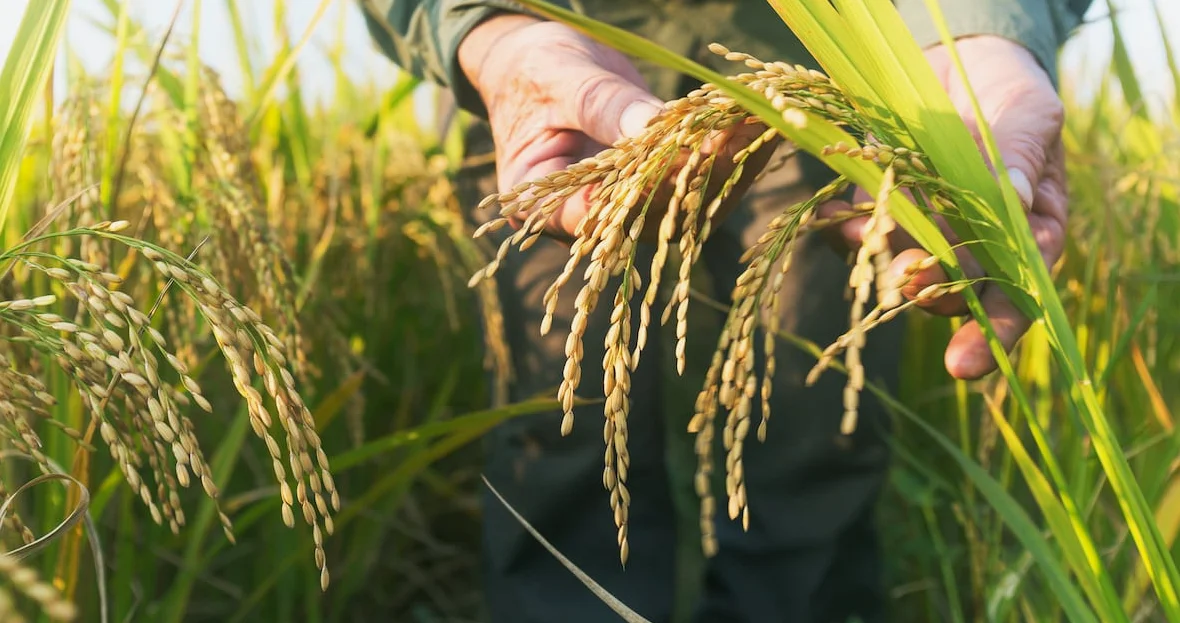
Japan is moving forward with a thorough plan to ensure full utilisation of all rice paddies, a critical step in its broader strategy to bolster food security and reduce dependence on imported agricultural products. The initiative, announced by the Liberal Democratic Party following recent elections, seeks to address the declining agricultural workforce and the growing challenge of maintaining stable food production in the country.
Policy Shift in Agricultural Subsidies
The policy shift was outlined by Minister of Agriculture, Forestry and Fisheries Norikazu Suzuki during a press briefing on February 13. Suzuki emphasized the need to transition away from a subsidy system focused solely on paddy fields and instead support productivity improvements across all crops, regardless of the type of farmland used.
“As the number of people engaged in agriculture continues to decline further in the coming years, I believe that in order to ensure a stable food supply, it is necessary to make effective use of farmland and maintain and expand agricultural production,” Suzuki said. “To this end, while implementing intensive measures for agricultural structural transformation, we are considering converting the direct payment subsidies for paddy field utilisation into support aimed at improving productivity for each crop, regardless of whether it is grown on paddy fields or upland fields, and thereby promoting the full utilisation of all farmland.”
Staple Rice Under Review
Currently, staple rice is excluded from the proposed plan, but internal deliberations are underway as part of a broader policy review scheduled to begin in fiscal year 2027. Suzuki acknowledged the importance of ensuring food security in the face of a rapid decline in the number of rice farmers.
“We are currently considering it based on the recognition that it is important to ensure food security into the future, given the rapid decline in the number of rice farmers, and we would like to indicate the direction as soon as possible to create an environment in which discussions can take place,” Suzuki stated.
Addressing concerns that the plan might conflict with Japan’s long-standing emphasis on demand-based production, Suzuki clarified that the strategy aims to align rice production with future demand, including for staple consumption, rice flour, and exports. “Fully utilising all farmland requires expanding demand for rice for staple consumption, rice flour, and exports. At the same time, rice production will be aligned with the demand for each category. Additionally, other paddy fields and upland fields will be used to grow crops such as wheat and soybeans, which Japan relies on heavily through imports,” he said.
Focus on Mountainous and Hilly Regions
The government has also placed renewed emphasis on mountainous and hilly regions, which account for around 40 per cent of Japan’s cultivated land area and farming households. These areas face structural disadvantages and have experienced persistent farm abandonment and community decline.
“We intend to consider this together with a review of paddy field policies, taking into account the opinions of those working hard in mountainous and hilly regions, so that those working hard in these regions will be able to continue farming, earning a living, and making a living in the future,” Suzuki said. These areas have been designated as priority “defensive” zones, with a working group examining targeted measures to support local agriculture.
Suzuki acknowledged the reality that many people in these regions have been giving up on farming, leading to the disappearance of communities. “I would like to make efforts to review the policy so that this does not continue in the future and that a halt can be put in place at some point,” he added.
The plan is part of a broader effort to address Japan’s agricultural challenges, including a shrinking workforce and increasing reliance on imported food products. By promoting the full utilisation of all farmland, the government aims to strengthen food security and ensure that agricultural production remains viable in both lowland and mountainous regions.
The proposed changes to agricultural subsidies and the focus on mountainous regions are expected to have significant implications for Japan’s agricultural sector. The government will need to balance the need for increased food production with the realities of a shrinking and aging population, as well as the environmental impact of expanding agricultural activities.
With the review of paddy field policies set to begin in fiscal year 2027, the government faces the challenge of implementing these changes in a way that supports both local farmers and the broader goal of national food security.






Comments
No comments yet
Be the first to share your thoughts