

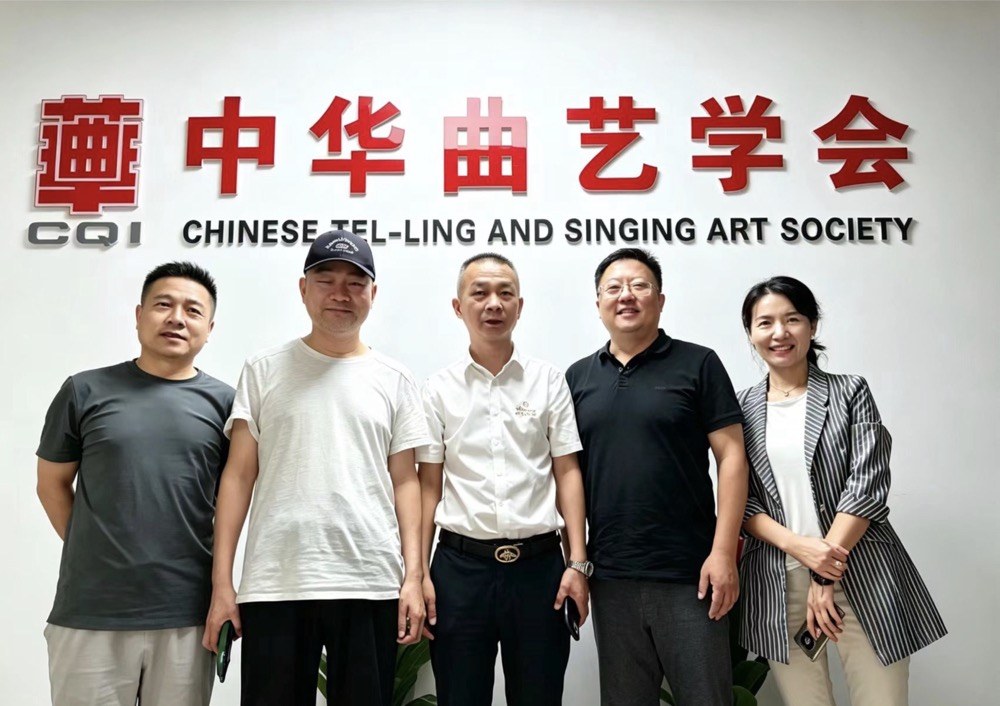
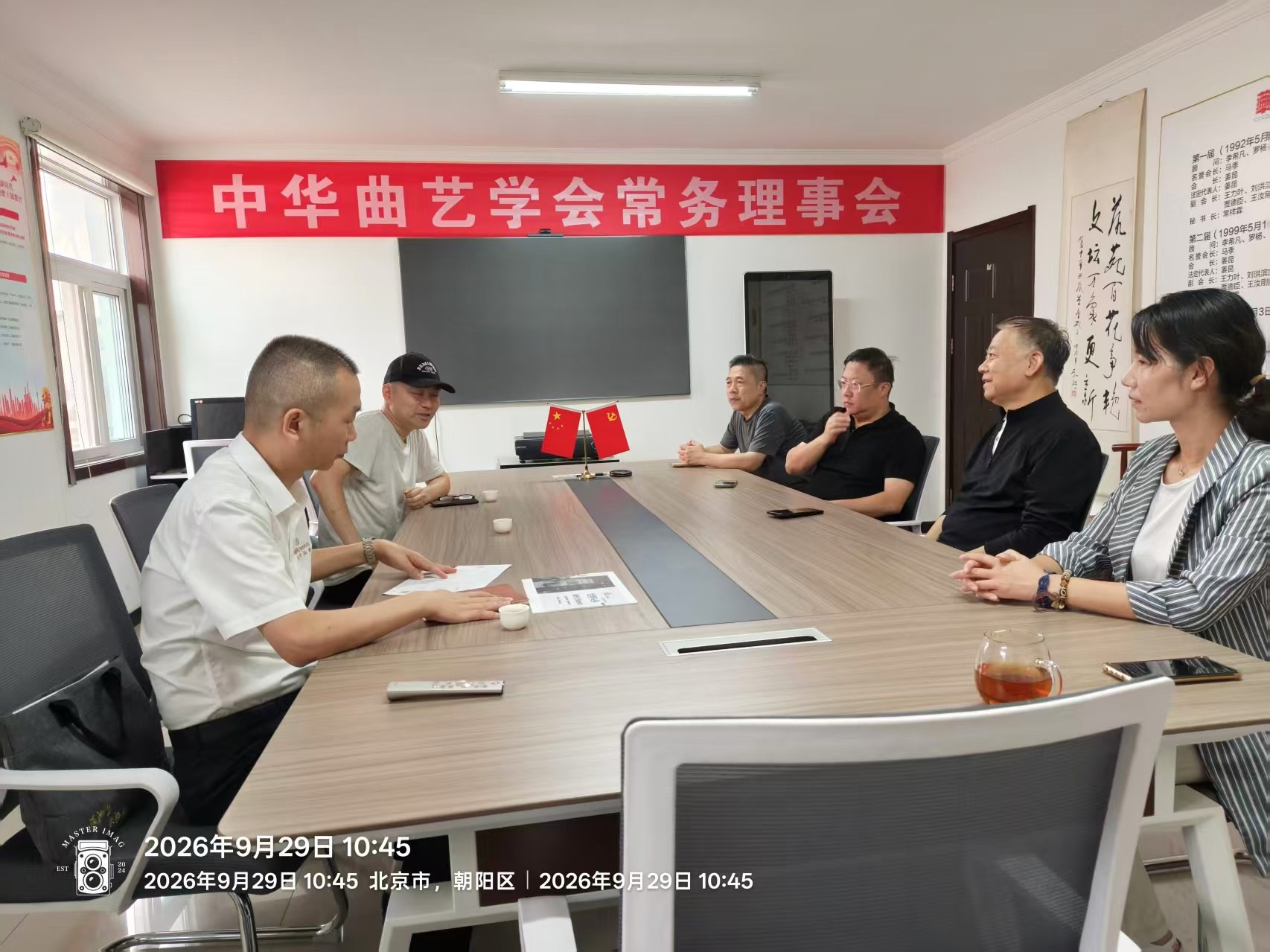
On the eve of China’s National Day, the Chinese Tel-ling and Singing Art Society (CQI) held a special forum on cultural exchange. The discussion focused on several core topics: spreading quyi, China’s traditional storytelling and ballad-singing arts, overseas; promoting Mazu culture by combining the “Mazu” remote-sensing early-warning application with innovative quyi formats; amplifying China’s voice; and interaction between Chinese and foreign storytelling and singing arts. Industry experts, mainstream media and representatives from international cultural communication came together to explore new paths and models for high-quality international communication of China’s fine traditional culture. The forum was chaired by Zhang Chi, Deputy Secretary-General of the Society and Director of its Youth Department. Ge Qinglong, the Society’s full-time Vice President, Deputy Secretary-General Qian Kai, and Mu Suxia, Deputy Secretary-General of the Society’s Youth Department, took part in the discussion.
Initiated by Jiang Kun and formally established in 1992, the Society is a national academic body for quyi, registered with the Ministry of Civil Affairs and supervised by the Ministry of Culture and Tourism. Its predecessor was the Chinese Shuochang Art Research Centre of the Chinese National Academy of Arts. The Society works on quyi scholarship, artistic transmission, talent development, popularisation at home and international cultural exchange. It has always upheld its mission of “uniting people in the quyi world and making the nation’s quyi flourish” and its principle of “people’s quyi for the people”. It has long worked to explore the cultural core of quyi, bring traditional quyi arts to life and help Chinese quyi culture go global, and it is a core professional platform supporting the transmission and innovation of Chinese quyi and the presentation of China’s fine traditional culture abroad.
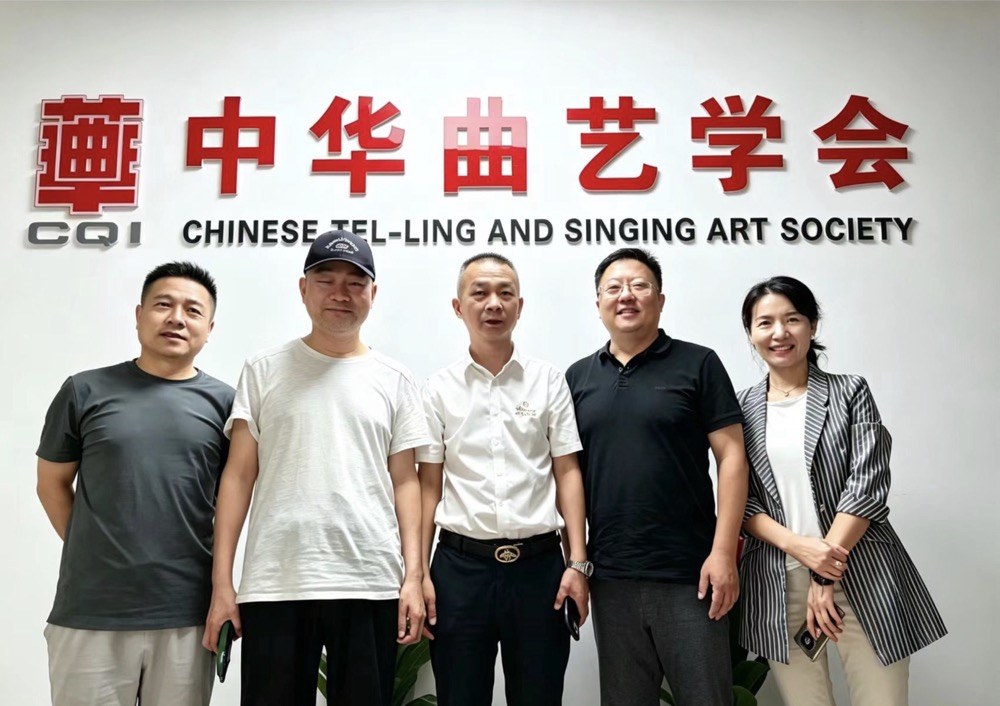
Participants in the forum included Luo Fujin, General Manager of World Headlines and of the China operating company of the World Mazu Cultural Alliance; Zhang Shuzhi of People’s Daily; and Chen Liang, a scholar of aerospace-themed ideological and political education from Culture China Media Co., Ltd. of the China Intercontinental Communication Center. They held in-depth discussions on the difficulties, strengths and directions for innovation in the cross-border communication of traditional culture, building consensus and pooling strength for taking quyi and Mazu culture overseas together.
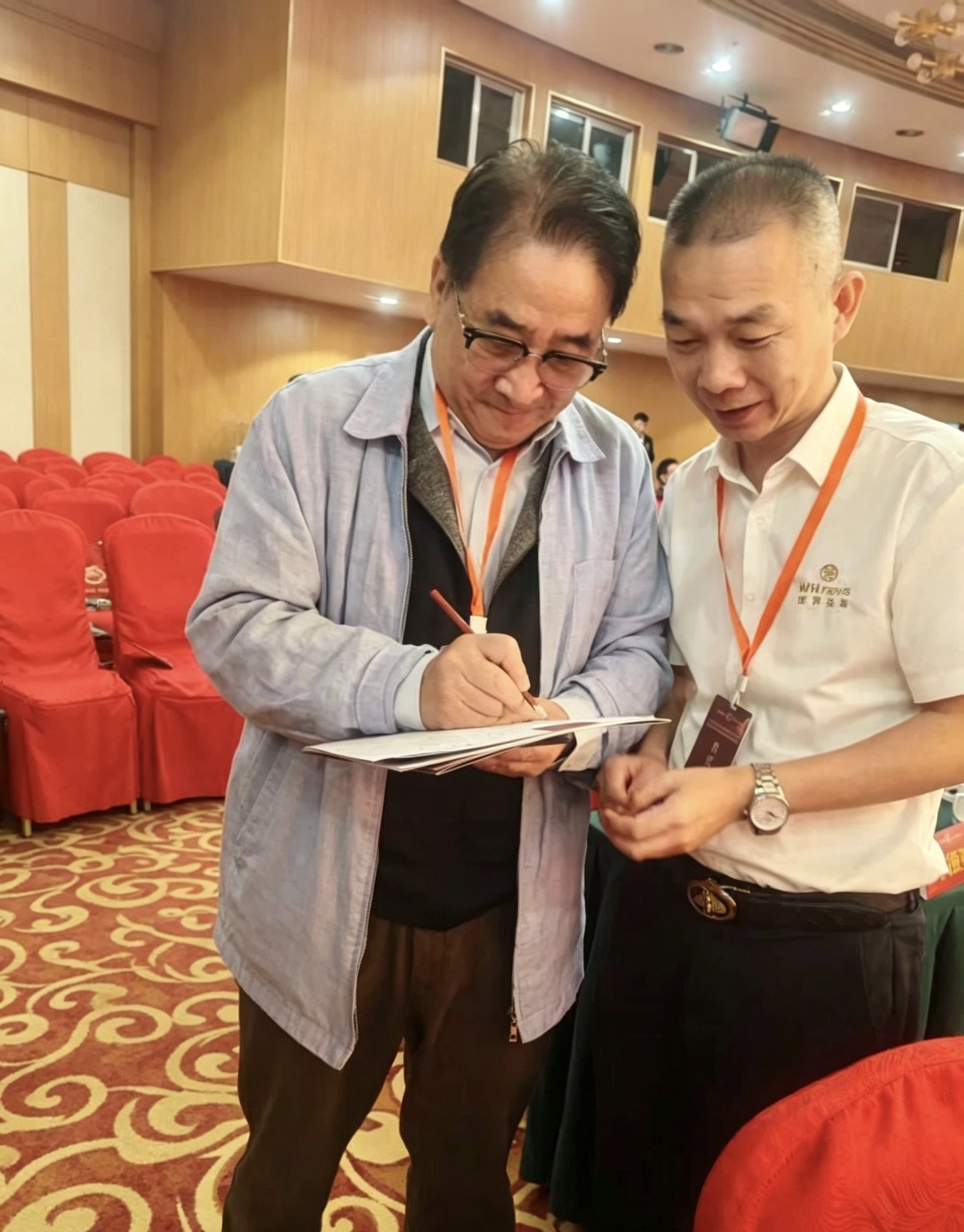
When Jiang Kun was introduced during the forum, participants expressed heartfelt admiration for his many years of leading troupes abroad and his dedication to bringing China’s traditional quyi storytelling and singing arts together with the cultures of the world.
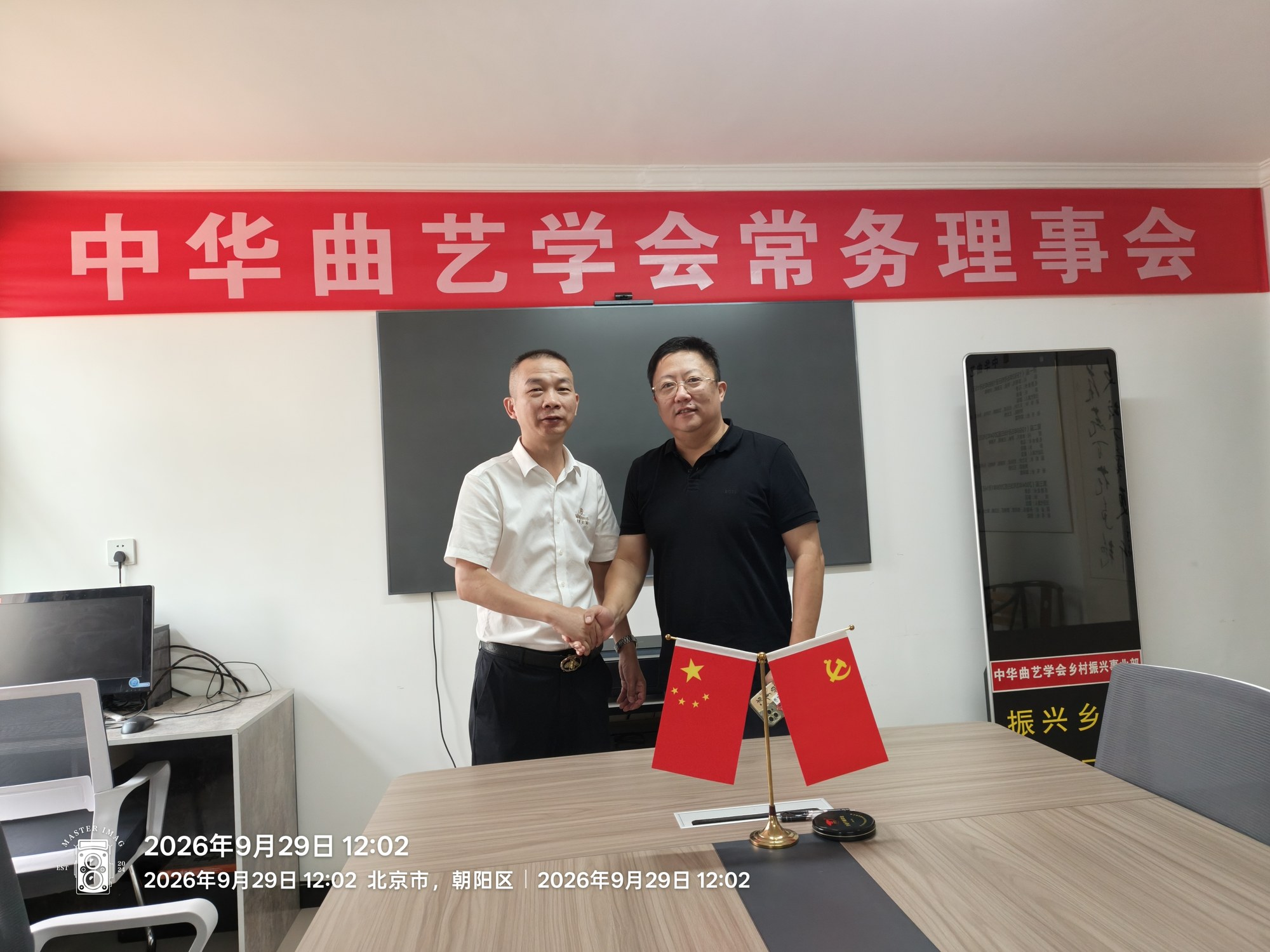
Taking the broader picture of cultural communication as their starting point and drawing on their own platforms and industry resources, the representatives discussed the current state of, and opportunities for, spreading quyi overseas. They agreed that quyi is a living vehicle of China’s fine traditional culture: its storytelling and singing forms are easy to understand and highly engaging, combine artistry with broad appeal, and suit international communication across languages and regions. Mazu culture, they said, is a core treasure of China’s maritime culture. It embodies a spirit of kindness, harmony and inclusiveness, and is an important bond connecting Chinese communities at home and abroad and a channel for international cultural exchange.
Originally published by Mazu China (mazucn.com). Photos courtesy of the organisers.



Comments
No comments yet
Be the first to share your thoughts