

When to Observe the Buck Moon
The full Buck Moon officially reaches its peak at 9:35 a.m. on Wednesday, July 29, according to Click2Houston. However, because this occurs during daylight in many parts of North America, the best time to view it is in the evening when the nearly full moon rises into the night sky. In Houston. The moon will rise shortly after sunset, and it will appear especially large and golden when it’s near the horizon, but For viewers in Europe, the moon will appear in the night sky around the same time, with optimal visibility from the southeast.
According to the American Meteor Society, the Buck Moon will coincide with the peak of the Delta Aquariid and Alpha Capricornid meteor showers — the Delta Aquariids can produce up to 25 meteors per hour, while the Alpha Capricornids may deliver around five meteors per hour. These showers will peak just one night after the Buck Moon reaches fullness, but the moon’s brightness may obscure fainter meteors; the Perseid meteor shower will also be ongoing and could add to the night’s celestial display.
Why It’s Called the Buck Moon
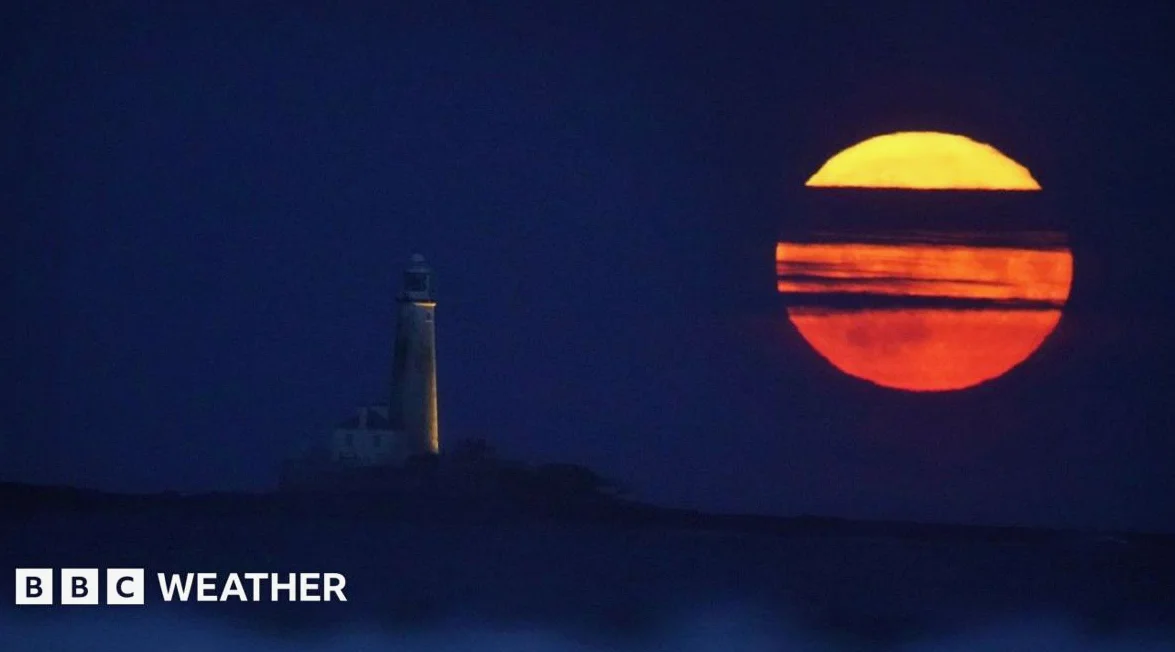
The July full moon is known as the Buck Moon because it occurs around the time when young male deer begin growing new antlers, but the antlers are initially covered in a soft layer of velvet before hardening later in the season. Other traditional names for the July full moon include the Thunder Moon and the Hay Moon, reflecting the season’s weather patterns and agricultural activities; Despite the name, the Buck Moon does not look significantly different from other full moons. It may briefly appear yellow. Orange, or reddish near the horizon due to atmospheric effects, but it is not a supermoon.
According to Star Walk. The Buck Moon will appear low in the sky for observers in the Northern Hemisphere and high in the sky for those in the Southern Hemisphere. The moon will be in the constellation Capricornus during the event, and it will appear nearly full on Tuesday and Thursday nights as well, giving skywatchers multiple chances to observe it.
Photography and Viewing Tips
To get the best view of the Buck Moon, observers should find an open location with an unobstructed view of the southeastern horizon. A telescope or binoculars are not necessary, but they can enhance the experience. However, passing clouds may occasionally block the moon, so it’s best to plan for multiple viewing opportunities. According to Live Science, the best time to observe the meteor showers that coincide with the Buck Moon is between midnight and dawn, when the radiant point of the Delta Aquariids, in the constellation Aquarius, is highest in the southern sky.
While the full moon’s brightness may wash out many faint meteors, the Alpha Capricornids are known for producing bright fireballs, which can be seen even in a well-lit sky. Skywatchers are encouraged to practice their meteor shower photography and take pictures of the moon during the event. The Buck Moon will also coincide with the comet 10P/Tempel 2 being visible near the M30 globular cluster, though the best views of this will be from the Southern Hemisphere.
For those who capture images of the Buck Moon or the meteor shower, Click2Houston invites viewers to submit their photos for sharing.






Comments
No comments yet
Be the first to share your thoughts