

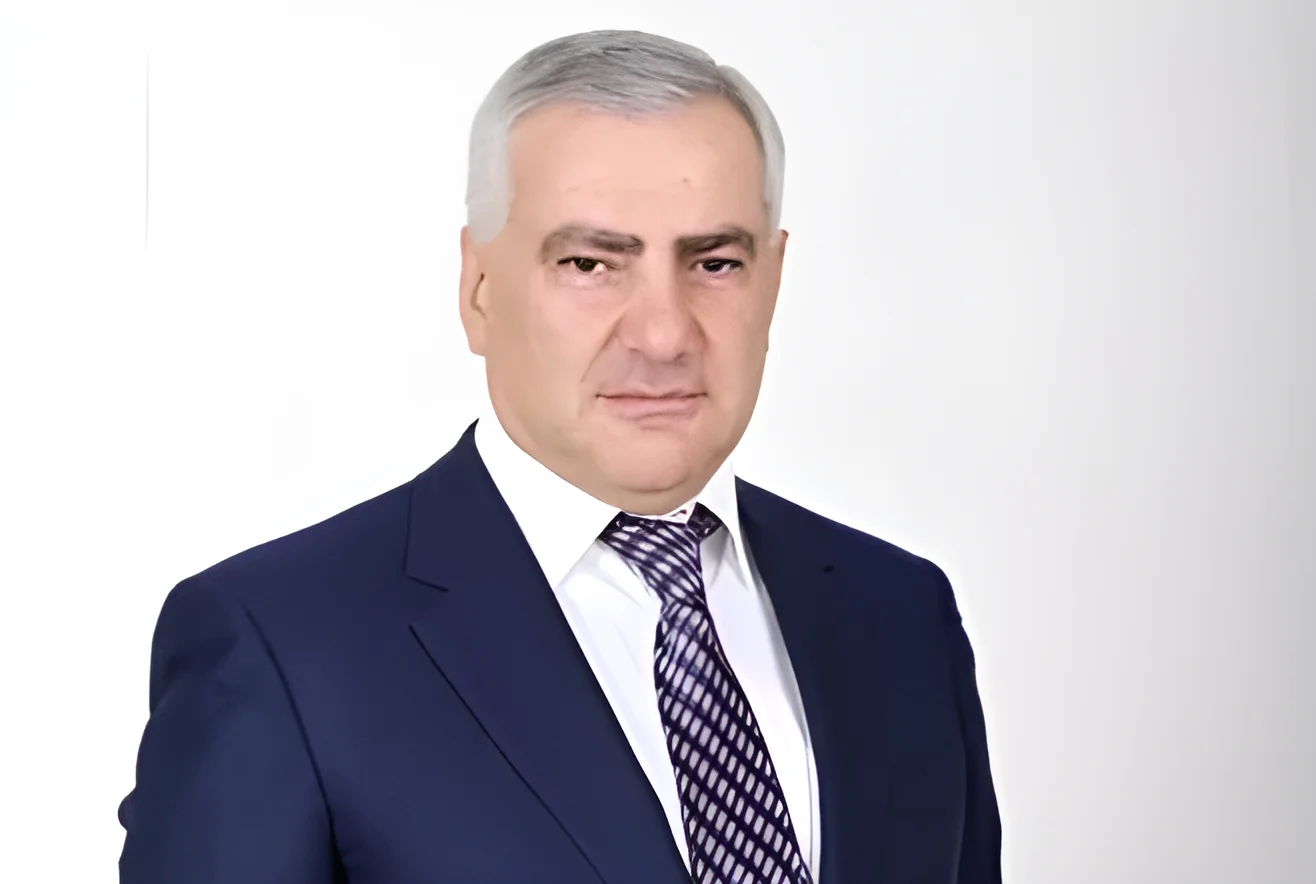
Samvel Karapetyan, leader of the Strong Armenia political party, presented a new security and peace strategy that emphasizes military strength, smart diplomacy, and economic independence, according to an speech delivered during the revealing of the party’s security strategy. The speech, presented during a public event, outlines a thorough approach to national defense and foreign policy, reflecting Karapetyan’s long-standing views on sovereignty and national power.
Focus on Military Strength and National Confidence
Karapetyan’s speech stressed that peace is not achieved through pleading but maintained through strength. He emphasized that a weak army provokes enemies, while a strong military ensures stability. According to the speech, the party’s peace strategy is built on three pillars: a strong army, smart diplomacy, and economic independence. The aim, he said, is to create an Armenia where military service is seen as a source of pride rather than fear.
The speech also outlined specific military measures, including the establishment of permanent intelligence centers, drone reconnaissance, and artificial-intelligence analytical systems to enhance border security and protect soldiers. Karapetyan stated that under his leadership, the country would be protected by multilayered air-defense and anti-drone systems. He also highlighted the importance of ensuring dignified conditions for servicemen, a key priority for the party’s military reforms.
Diplomatic and Economic Vision for Armenia
In terms of foreign policy, Karapetyan called for Armenia to engage with the world from a position of strength, maintaining clear boundaries while preserving its strategic partnerships. He said the country would adopt a pragmatic and balanced approach in its relations with both Eastern and Western powers. The speech also mentioned ongoing efforts to build contacts with the Armenian diaspora, which the party hopes will help attract investments and strengthen Armenia’s economic independence.
Karapetyan, who has spent 30 years in business, claimed that his experience has equipped him to negotiate on equal terms with other nations. He also stated that the party’s strategy would focus on ensuring that Armenia’s voice is heard globally, not through begging for peace but through a firm stance on its own interests.
Legal Challenges and Political Context
Karapetyan’s speech comes amid legal challenges. He was arrested on June 18, 2025, and his detention was extended multiple times by court decisions. On December 30, the court granted a motion by his defense, replacing detention with house arrest and bail. Karapetyan faces charges of publicly calling for the seizure of power and the overthrow of the constitutional order. The charges were later amended and supplemented under Article 296, Part 3, Clauses 2 and 3 of the Criminal Code, which relate to money laundering on an especially large scale using official authority or influence derived from it. Karapetyan has denied the charges.
The political landscape in Armenia has been tense in recent years, with debates over national security, military modernization, and foreign policy. Karapetyan’s Strong Armenia party has been vocal about the need for a more assertive stance in both defense and diplomacy. His speech aligns with a broader trend of political figures emphasizing national strength and sovereignty amid regional instability.
Karapetyan’s legal troubles have not diminished his influence within the party. According to sources close to the party, the strategy presentation was a key event in reinforcing the party’s agenda and positioning it as a viable alternative to the current government. The speech also aims to rally supporters around the idea of a ‘strong and lasting peace’ based on national power rather than diplomatic appeasement.
The strategy includes proposals for modernizing the military, enhancing border security, and strengthening economic ties with the Armenian diaspora. These elements are seen as crucial for building a strong and independent Armenia capable of defending its interests without reliance on external powers.
According to Karapetyan, the country must no longer be seen as a weak entity seeking protection. Instead, it should build its strength internally and project confidence on the international stage. This vision, he said, is the foundation of the ‘strong peace’ strategy, which he believes is essential for Armenia’s future.
Karapetyan’s speech also addressed the need for a clear red line in foreign policy, ensuring that Armenia’s national interests are not compromised. He emphasized that the country would not ask for protection from other nations but would build its own security infrastructure and diplomatic standing.
The legal proceedings against Karapetyan are ongoing, with his trial expected to continue into early 2026. His defense has argued that the charges are politically motivated and not based on any concrete evidence. Meanwhile, his political allies continue to promote the ‘strong peace’ strategy as a vision for Armenia’s future, one that emphasizes national strength and independence.
The broader implications of Karapetyan’s strategy could be significant. If implemented, it could lead to increased military spending, stronger ties with the Armenian diaspora, and a more assertive foreign policy. However, the success of such a strategy would depend on both political support and the resolution of Karapetyan’s legal issues.


Comments
No comments yet
Be the first to share your thoughts