

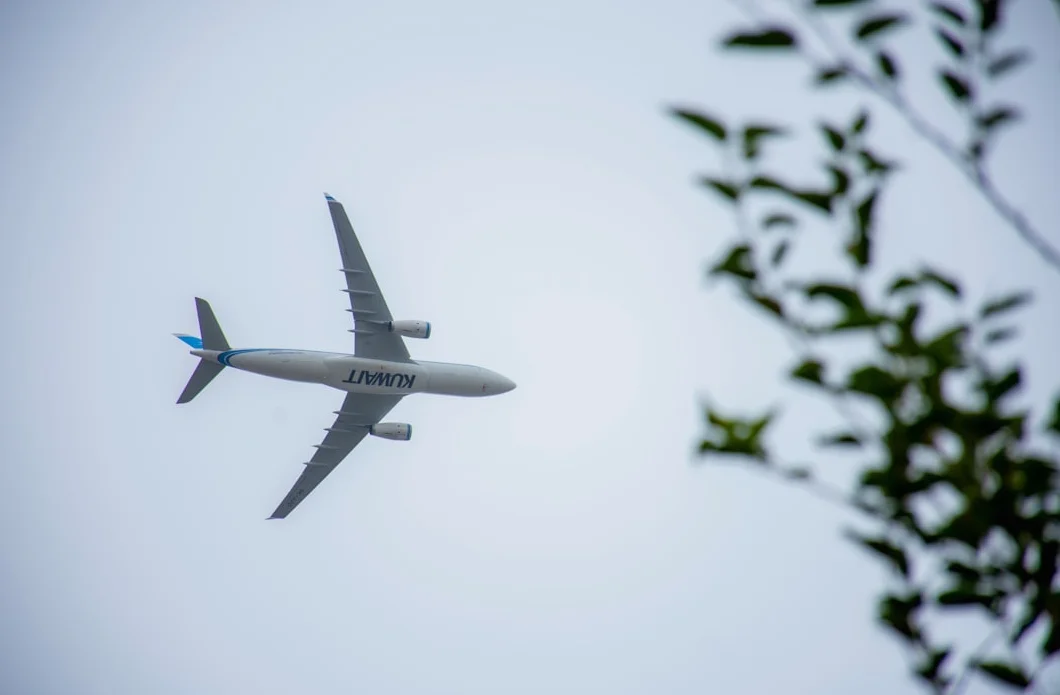
Kuwait’s international airport was hit by Iranian drone strikes, according to multiple reports, including Al Jazeera, which confirmed that the attacks occurred amid escalating hostilities in the Middle East. The strikes have led to air defense activations and widespread disruption of air traffic, with thousands of flights canceled globally, as reported by visitukraine.today.
Regional Impact and Air Defense Responses
The drone attacks on Kuwait’s airport were part of a broader escalation in tensions across the Middle East. Al Jazeera reported that the strikes prompted Kuwait to activate its air defense systems, a move that was echoed by Türkiye Today, which noted that Saudi Arabia had also shut down its Ras Tanura refinery after an Iranian drone strike hit the region’s major oil hub. This indicates a coordinated effort by Iran to target key infrastructure across the Gulf.
Türkiye Today highlighted that the attack on the Saudi oil refinery, which is one of the world’s largest, has further strained regional stability, though the refinery shutdown could disrupt global oil supplies, adding to the already volatile situation in the region. According to the source. The incident occurred as part of an ongoing pattern of Iranian military actions targeting economic and strategic assets in the Gulf.
While Al Jazeera focused on the immediate response in Kuwait, the broader implications of the strikes have been felt globally. The disruption of air traffic has led to the cancellation of thousands of flights, according to visitukraine.today, which reported that the situation has caused large-scale air traffic disruptions, with major airports in Europe and the Americas affected.
Iranian Military Strategy and Regional Reactions
According to Al Jazeera. The drone strikes on Kuwait’s airport are part of a broader Iranian military strategy aimed at destabilizing its regional rivals. The attacks come amid reports that Iran is considering exiting the Nuclear Non-Proliferation Treaty, a move that could further escalate tensions with the United States and Israel.
Korean news outlet 경향신문 reported that the strikes were part of a wider pattern of retaliatory actions by Iran, which has seen its allies, including Yemen’s Houthi rebels, launch attacks on Israeli and U.S. targets in response to previous strikes. The Houthi rebels officially confirmed their participation in military operations against Israel, according to the source, which described the attacks as the first of many.
The timing of the attacks, which occurred just one month after U.S. and Israeli strikes on Iranian targets, suggests a retaliatory motive. 경향신문 noted that the Houthi rebels have vowed to expand their operations to the Red Sea, potentially further disrupting global shipping routes and adding to the economic toll of the conflict.
Global Air Travel Disruptions and Economic Consequences
visitukraine.today reported that the drone strikes have triggered a global air travel crisis, with thousands of flights canceled and air traffic disrupted across Europe and the Americas. The source cited data showing that major airports have experienced delays and cancellations, affecting both commercial and private flights.
The disruption of air traffic has had significant economic consequences, particularly for the aviation industry, which has already been struggling with rising fuel costs and geopolitical tensions. According to the source. The situation has forced airlines to reroute flights and delay schedules, further complicating global travel.
Additionally, the incident has raised concerns about the safety of international air travel in the region. Experts have warned that the continued use of drones in military operations could lead to a new era of aerial threats, challenging the security protocols of major airlines and airports.
International Reactions and Diplomatic Efforts
According to Al Jazeera. The U.S. has condemned the drone strikes as a violation of international law, with a senior senator criticizing the actions as an escalation that could lead to further conflict. The U.S. has also called for increased diplomatic efforts to de-escalate the situation, though progress has been slow.
Türkiye Today reported that Turkey has been balancing its diplomatic efforts with regional allies while also maintaining a cautious stance toward the U.S. and NATO. The source noted that Turkey has been engaged in discussions with Pakistan, which has emerged as a key player in diplomatic efforts to mediate the conflict between the U.S., Israel, and Iran.
Korean news outlet 경향신문 highlighted that diplomatic efforts have been complicated by the involvement of multiple regional actors, including Pakistan, which has been working to facilitate talks between the U.S. and Iran. However, the situation remains tense, with no clear resolution in sight.
According to the source, the involvement of Pakistan has added a new dimension to the conflict, as the country has been balancing its relationships with both the U.S. and Iran. The situation has also raised concerns about the potential for further military escalation, particularly in the Gulf region.
What’s Next and Why It Matters
The ongoing conflict and the recent drone strikes on Kuwait’s airport have raised concerns about the potential for further military escalation in the Middle East. The situation has also highlighted the vulnerability of critical infrastructure to drone attacks, a concern that is being closely monitored by international security experts.
According to Al Jazeera, the attacks have also showed the need for increased diplomatic efforts to prevent further hostilities. The U.S. has called for a de-escalation, while Iran has warned that it will continue its military operations unless its demands are met.
Türkiye Today noted that the situation could have far-reaching implications for global energy markets, particularly if the attacks on oil infrastructure continue. The source warned that any further disruptions to oil production could lead to a sharp increase in global energy prices, affecting economies worldwide.
Korean news outlet 경향신문 emphasized that the attacks have also raised questions about the effectiveness of international security measures in the region. The source suggested that the use of drones by Iran and its allies could become a more common tactic in future conflicts, requiring new strategies to counter such threats.
The situation remains highly volatile, with no clear resolution in sight. As tensions continue to rise, the world watches closely to see whether diplomatic efforts can prevent further escalation or if military action becomes the next step in the conflict.






Comments
No comments yet
Be the first to share your thoughts