

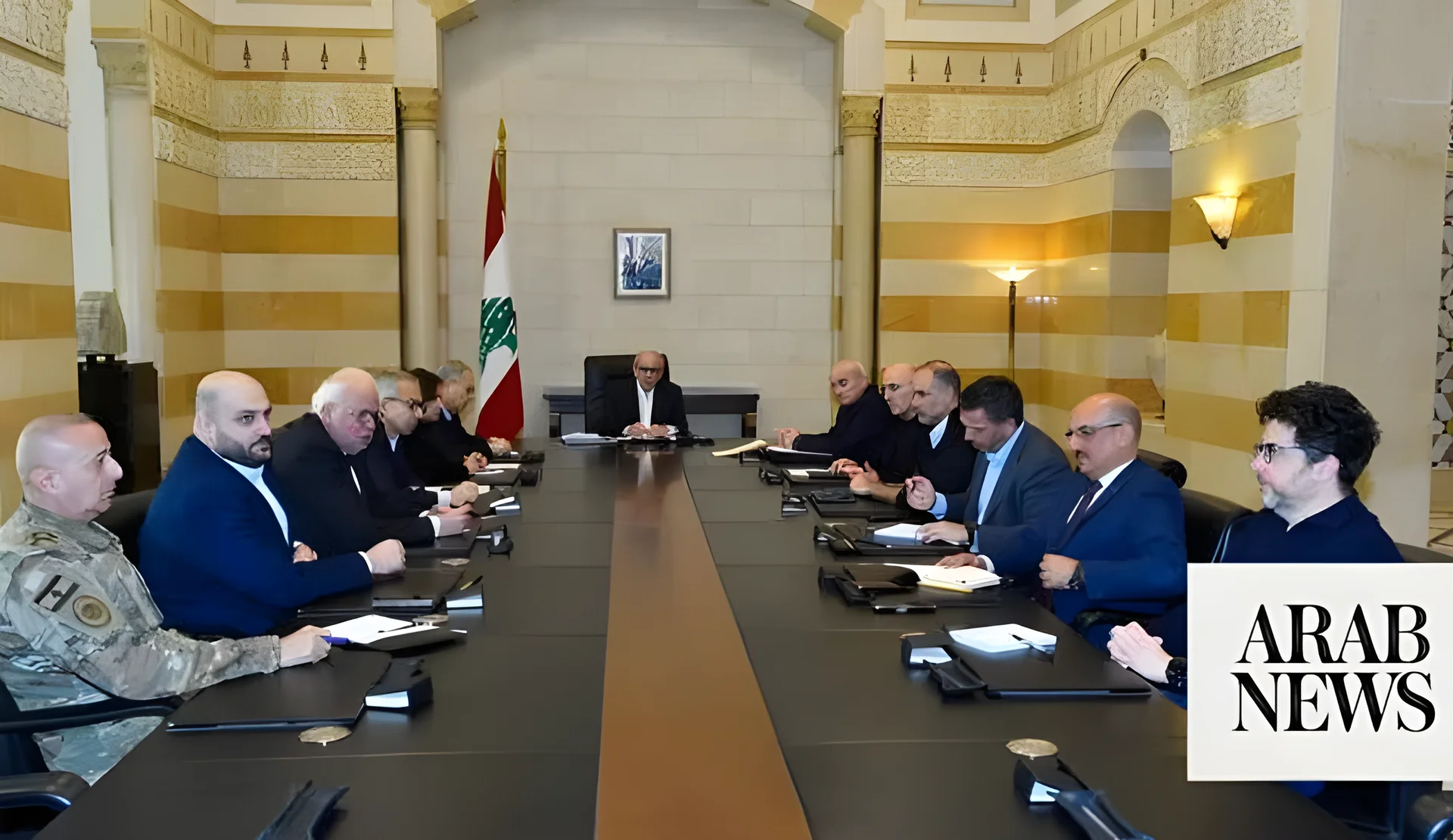
BEIRUT — In the wake of U.S. and Israeli strikes on Iran, Lebanon’s leaders have reaffirmed the country’s neutrality, emphasizing the need to shield the nation from the region’s deteriorating security crisis. Prime Minister Nawaf Salam confirmed that necessary security measures had been put in place to protect foreign embassies on Lebanese soil, though he acknowledged the potential risk of threats.
Security Measures and Economic Concerns
During a press conference on Saturday, Salam stated that supply lines by land, sea, and air remained open, with Middle East Airlines continuing to operate flights. Essential goods, including food, medicine, and fuel, were stocked for at least two months, he said, urging citizens not to panic.
The Lebanese economy has slowed amid growing concerns that Hezbollah could become involved in the conflict in defense of Iran. This anxiety has manifested in long queues at gas stations and pharmacies, as people rushed to secure fuel and medical supplies, fearing shortages if the country were to be dragged into a conflict it could not withstand after emerging from a devastating war with Israel.
The Association of Oil Importing Companies reported that it had sufficient petroleum products in stock to meet demand for at least 15 days. Salam also posted on X, urging the Lebanese to ‘show wisdom and patriotism,’ putting Lebanon’s interests above everything else amid the dangerous developments gripping the region.
Hezbollah’s Position and Religious Authority
Hezbollah’s leader, Naim Qassem, was expected to deliver a speech on Saturday but it was postponed due to ‘recent developments.’ Last month, Qassem had threatened to ‘defend Iran against any Israeli or American aggression.’
However, Sheikh Ali Al-Khatib, vice president of the Supreme Islamic Shiite Council, the highest religious authority for Lebanon’s Shiite community, stressed on Friday the community’s support for state sovereignty. He said that Lebanon once had to take up arms as ‘a necessity in the absence of the state.’
‘If we were forced to take up arms, it was in self-defense, and we paid a heavy price; our cities were destroyed,’ Al-Khatib said. He called for the adoption of a national security strategy and emphasized support for a strong state that protects its rights, sovereignty, and borders.
Wassef Awada, adviser to the Supreme Islamic Shiite Council, confirmed to Arab News that the council’s position was in full agreement with Hezbollah and its ally, the Amal Movement. ‘Hezbollah affirms its support for a just and protective state that uses all its capabilities to confront external threats. This position is not subject to change under any circumstances,’ Awada said.
Regional Strikes and Government Response
On Saturday morning, the sound of Israeli interceptor missiles exploding was heard in southern Lebanon and the Bekaa Valley. The Israeli army dropped explosive devices near the Lebanese border and carried out airstrikes on several locations, including Wadi Barghaz, the Litani River, the outskirts of Wadi Al-Dalafa, the highlands of Iqlim Al-Tuffah, and the Jezzine district.
These areas, located north of the Litani River, are believed to host a Hezbollah presence. Meanwhile, Israeli reconnaissance aircraft flew over southern Lebanon, passing over Sidon and reaching the Bekaa Valley. The Israeli army stated that it ‘attacked Hezbollah infrastructure, targeting launch sites and underground tunnel entrances used by the terrorist group to advance plots against the IDF and the State of Israel.’
President Joseph Aoun stressed that ‘sparing Lebanon the disasters and horrors of external conflicts, and preserving its sovereignty, security, and stability, are an absolute priority.’ He contacted the prime minister, Transport Minister Fayez Rassamni, U.S. Ambassador Michel Issa, and Army Commander Gen. Rudolph Haikal. His office said that he had emphasized the need for maximum readiness and tight coordination across all state institutions.
Aoun called on all parties to put Lebanon’s national interest above everything else and pledged that the state, through all its institutions, would stand as the first and last line of defense. The Foreign Ministry also condemned ‘any targeting of Arab states,’ with Foreign Minister Youssef Raji highlighting Lebanon’s firm commitment to staying out of the fray.
At Beirut’s Rafic Hariri International Airport, traffic dropped sharply — though Lebanon stopped short of officially canceling flights or closing its airspace. The Civil Aviation Directorate attributed the near-standstill to the closure of airspace by Gulf states, Cyprus, and neighboring countries, which rendered Beirut ‘practically unreachable for most airlines.’
The head of the Civil Aviation Authority, Captain Mohammed Aziz, said that no decision to close Lebanese airspace had been made, adding that he remained in continuous contact with the Minister of Public Works, airport security, and air navigation to monitor developments and take appropriate action as events evolve.






Comments
No comments yet
Be the first to share your thoughts