

 The Guardian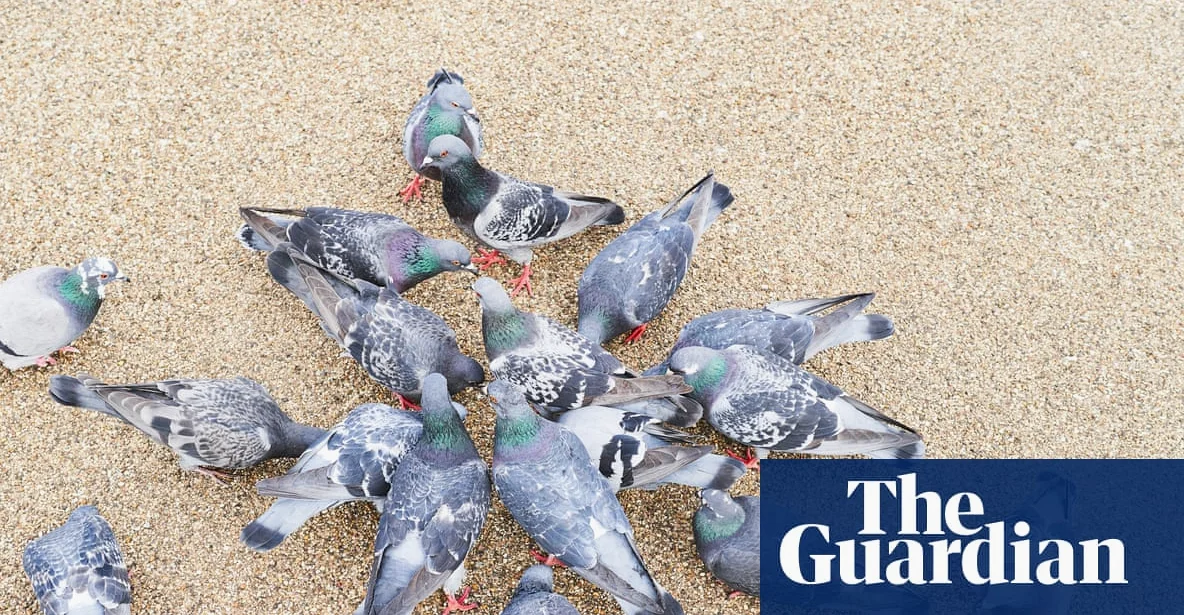
Dr. Dave Dawson, former head of environment at the Greater London Authority, argued that pigeon numbers in Norwich directly track the food supplied by well-meaning feeders. He studied the birds as an introduced pest on garden pea crops in New Zealand’s Hawkes Bay during the 1960s. Later, he advised Ken Livingstone on Trafalgar Square pigeons in the 2000s.
“The number of pigeons steadfastly correlated with the amount of food provided for them and not with the supposed ‘control’ measure,” Dawson wrote. Explosions, rocket-propelled nets and Harris’s hawks failed to dent populations. Birds simply flew off briefly for exercise, then returned to eat. Real reductions came only when feeding dropped enough to send flocks elsewhere. They didn’t die off, just relocated.
Dawson dismissed new ideas like dovecotes for breeding and egg harvesting. Feral pigeons aren’t sedentary, he said, and over-breeding isn’t their issue. Controlling feeders offers humane results where tried, he added.
Paul Roberts, a former Chester city councillor with the environment portfolio 25 years ago, backed a practical fix. His council built a pigeon loft in a city-centre car park and banned feeding elsewhere via bylaw. Pigeons nested there. Workers removed eggs from the base, stabilizing numbers. Complaints stayed low.
“This solution seemed to work,” Roberts wrote from Farndon, Cheshire.
Nicholas Milton pushed back hard from Stratford-upon-Avon, Warwickshire. Norwich council should honor pigeons on its war memorial, not eradicate them, he said. February 24 marks International War Animal Day. People wear purple poppies to remember animals in conflicts.
Milton researches pigeons’ World War II role for a book. Nearly 250,000 served Britain’s army, RAF, navy, civil defence, Home Guard and Special Operations Executive. They carried messages in leg canisters over occupied Europe. Only one in eight survived missions. Pigeons earned 32 Dickin medals—the animal Victoria Cross—out of 54 awarded in the war, more than all other species combined.
“No other animal did more to save this nation,” Milton wrote. He called it ironic that Norwich removes pigeons from a war memorial site.
David Jobbins from Kelvedon Hatch, Essex, took a hands-off view. Feral pigeons feed urban peregrine falcons now nesting in city centres, including Norwich Cathedral near the marketplace. Remove the pigeons, he warned, and peregrines face trouble. “Let nature take its course and an equilibrium will be found.”
The letters responded to a Guardian feature on February 17 about Norwich’s ‘pigeon wars.’ Debates over the archetypal urban pest stretch back decades across UK cities.




Comments
No comments yet
Be the first to share your thoughts