

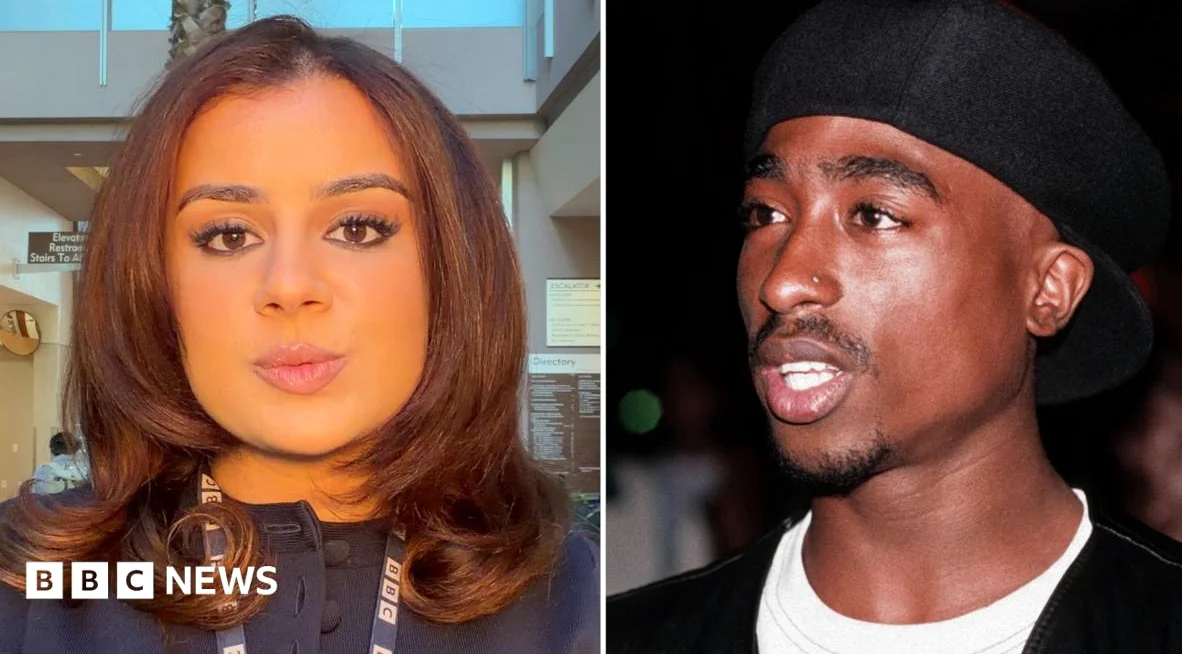
Jurors found Duane ‘Keffe D’ Davis, 63, guilty of first-degree murder in the September 7, 1996, shooting of rap legend Tupac Shakur near the Las Vegas Strip. The verdict was delivered after less than three hours of deliberation, marking the first conviction in a case that has captivated hip-hop fans for decades.
Inside the Courtroom
Davis was portrayed by prosecutors as an influential figure who orchestrated the fatal shooting in retaliation for a casino lobby attack on his nephew earlier that night. The trial, which lasted two weeks, featured 24 prosecution witnesses and three for the defense — During the proceedings, Davis pleaded not guilty to murder with a deadly weapon with the intent to promote, further or assist a criminal gang.
Sekyiwa ‘Set’ Shakur, Tupac’s sister, was in the courtroom and was seen crying and hugging the prosecutors after the verdict was read, Davis’ son was also present, covering his face with one hand. Moments after the judge ordered Davis held without bail, the defendant raised his hand and said, ‘I want to have my stuff back,’ referring to jewelry, phones, and other items.
Critical Evidence and Testimony
The prosecution’s case centered largely on Davis’s own words, including police interviews and a 2019 memoir. Chief Deputy District Attorney Binu Palal argued that Davis acquired a gun and ‘went hunting’ for Shakur and Death Row Records co-founder Marion ‘Suge’ Knight after they allegedly attacked Davis’ nephew earlier that night. Palal acknowledged that Davis’s accounts of the killing evolved over the years but maintained that those differences reflected Davis’s changing motivations and efforts to protect himself.
A critical detail, Palal emphasized, remained consistent: Davis repeatedly placed himself inside the white Cadillac from which the shots were fired. The confrontation was rooted in a long-standing feud between the Mob Piru Bloods, a gang associated with Shakur and Knight, and the South Side Compton Crips, for whom Davis was a prominent leader. The case had gone cold for years until recent interviews and Davis’s memoir reignited interest and led to the trial.
Legal and Sentencing Implications
Davis now faces up to life in prison for the conviction of murder with a deadly weapon, and the prosecution said Monday evening that the state would dismiss the gang enhancement part of the charge due to witness logistics. The jury heard from 24 prosecution witnesses and three defense witnesses over nine days. Davis’s attorneys have disputed the statements and argued that he was never previously charged in the Shakur murder because law enforcement knew he was ‘full of crap.’
The trial brought to a close a decades-old case that has drawn the attention of hip-hop fans and true crime experts alike, Tupac Shakur was in Las Vegas on September 7, 1996, when he was shot multiple times while in a BMW with Marion ‘Suge’ Knight. He died six days later from his wounds. Knight was also wounded but survived.




Comments
No comments yet
Be the first to share your thoughts