

 BBC
BBC 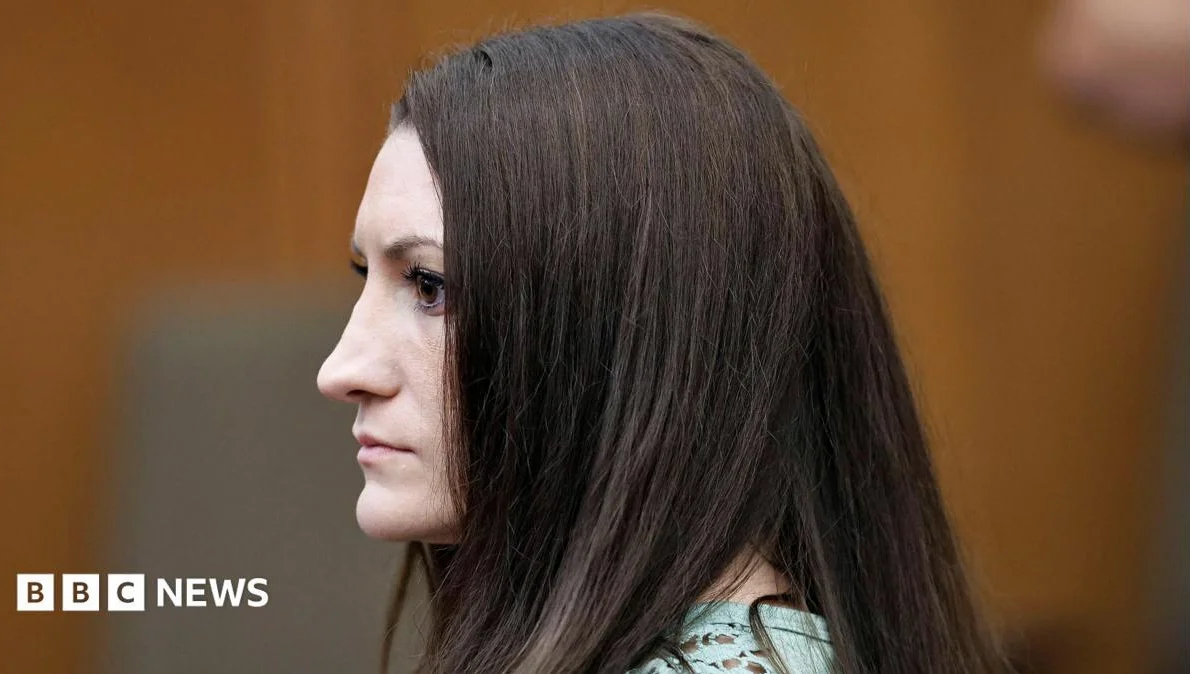
After a gruelling five-week murder trial, Lindsay Clancy’s fate rests with 12 anonymous jurors, though And they cannot make up their minds — the jury of nine women and three men have told the judge, two days in a row, that they cannot reach a unanimous decision. Despite the judge’s continued urging that jurors keep at it, the struggle has raised the prospect of a mistrial in Clancy’s case.
Judge Encourages Continued Deliberation
“It is desired that the case be decided,” Judge William Sullivan told the panel on Wednesday afternoon, after members sent him a second note saying they are undecided after five days. He read a mandatory, formal set of instructions and sent them back,some with frustrated expressions on their faces.
Postpartum Psychosis Defense
The 36-year-old former nurse does not dispute that she killed her two sons and daughter in 2023 in the basement of their family home in Massachusetts. But her lawyer argues she was suffering from postpartum psychosis at the time, and therefore could not distinguish right from wrong, the prosecution claimed Clancy made a calculated, intentional decision to kill them and knew right from wrong in that moment. She is charged with three counts of first-degree murder.
Verdict Options and Legal Implications
Under US law, the jury must unanimously reach a conclusion “beyond a reasonable doubt.” If they cannot, the judge can call a mistrial, which ends the trial with no verdict. This jury has several outcomes to choose from, and Potential verdicts include not guilty, not guilty by reason of insanity, first-degree murder, second-degree murder, and manslaughter.
Jurors in Clancy’s trial have signalled they are deadlocked and having a hard time coming to a unanimous decision, which is mandatory for any verdict, though In the state of Massachusetts, there are typically multiple steps before they can give up. A judge usually tries to pressure the panel to continue deliberating until there’s no possible chance of a decision, We’ve hit two of those steps so far.
On Wednesday, Sullivan issued additional instructions, known as a Tuey-Rodriguez charge in the state; It’s a last-ditch effort, encouraging the panel to consider all perspectives, and ensuring jurors are questioning and examining their own views in the case. It also instructs them to strive to come to an agreement—while maintaining their own convictions and keeping to their individual judgment and conscience.
If the jury continues to signal they cannot come to a consensus, it’s possible the judge could then declare a mistrial, ending the trial with no decision. A hung jury does not mean prosecutors have proven their case, nor does it mean the defendant is not guilty; the prosecution can then either refile and restart with a new jury, or negotiate a plea agreement. Alternatively, prosecutors can dismiss the charges altogether — Either way, though, Clancy would not go immediately free. She would remain held under the same murder charges in the mental health facility where she is housed now, as her lawyers and prosecutors mull next steps in the case.
This hinges on the postpartum psychosis defence,her legal team argued that Clancy hallucinated a voice that told her to kill the children; Expert witnesses told the court how severe this illness can be, and family members testified about Clancy’s state of mind. Under Massachusetts law, there is no burden on Clancy to prove her mental illness and that she lacked criminal responsibility. Rather, it is on the prosecution to prove beyond reasonable doubt that she was criminally responsible when she killed her children, criminal defence lawyer Elyse Hershon told the BBC. They can do this by either proving beyond reasonable doubt that she didn’t suffer from a mental illness at the time or that, while she had a mental illness, she still controlled her actions and knew they were wrong.
A not guilty verdict would mean Clancy went free but that is considered highly unlikely; Much more likely is a not guilty by reason of insanity, which would result in Clancy being detained at a hospital. “The case really comes down to where she is going to serve the rest of her life; the defence thinks it should be a psychiatric facility, the prosecution thinks it should be in a state prison,” Hershon said.






Comments
No comments yet
Be the first to share your thoughts