

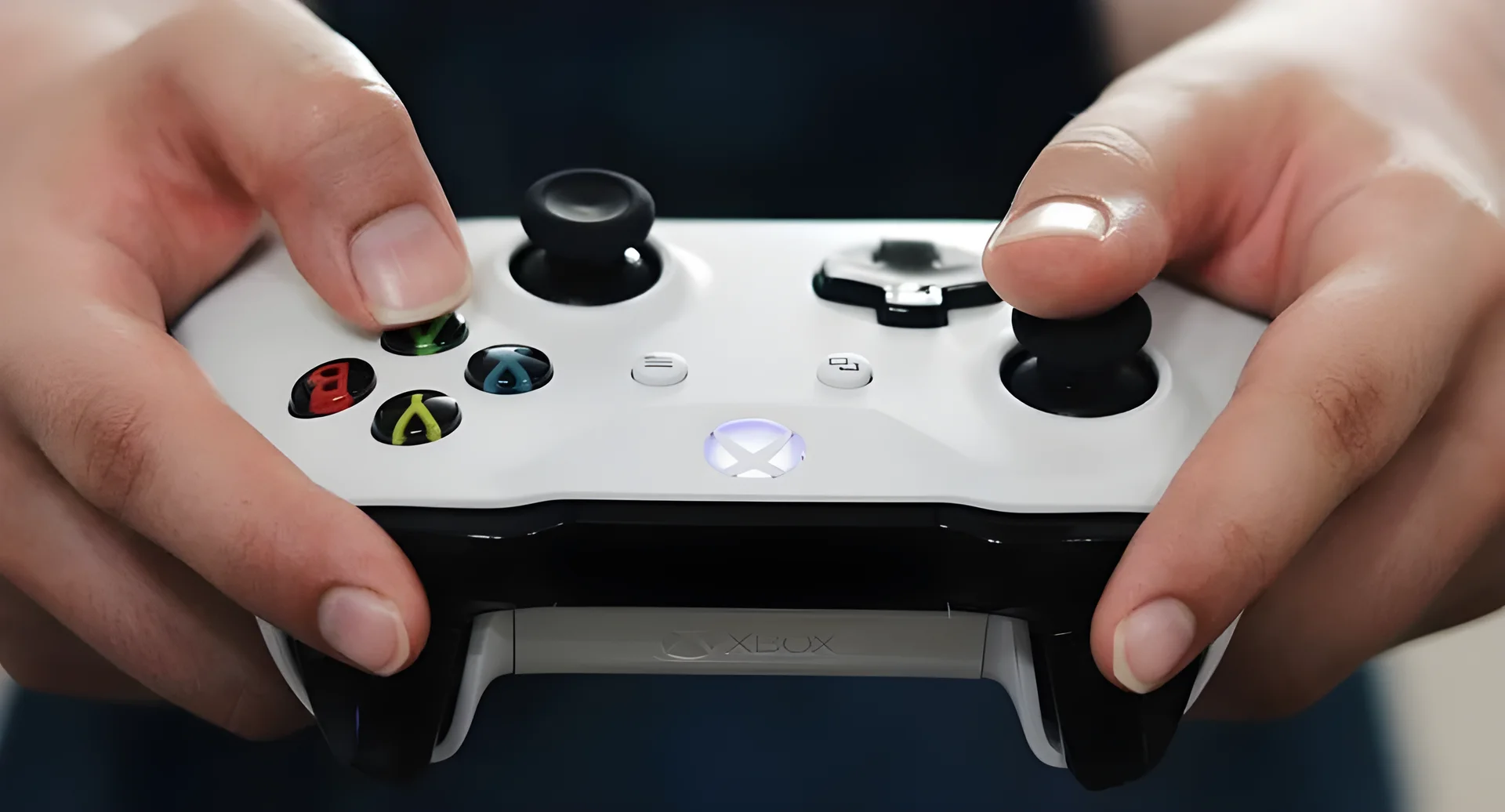
Microsoft is preparing to shift the gaming landscape with Project Helix, a next-generation console that blurs the line between console and PC gaming, while Sony continues to dominate with its PlayStation exclusives. The console war that defined the past two decades appears to have a clear winner, with Sony’s PlayStation brand continuing to dominate global console sales, while Xbox has struggled to match that momentum. But instead of fighting the same war again, Microsoft might be doing something entirely different. It is changing the battlefield.
Rebuilding Xbox as a Hybrid Platform
One of the big reveals of Project Helix was that it will be capable of playing both Xbox and PC games. So the next-gen Xbox may blur the lines between console and PC gaming more than ever before. Microsoft has been nudging Xbox in this direction for years. Xbox Play Anywhere already allows certain titles to run on both PC and console with cross-platform progression, while the popular Xbox Game Pass service brings access to hundreds of games across both platforms.
Project Helix could push that strategy even further by turning Xbox into something closer to a living-room gaming rig. You can still expect the plug-and-play simplicity of consoles, but with a bigger library of games, easier cross-platform play, and fewer walls between the Windows PC and console ecosystems. The console will reportedly cost well over $1,000, a significant price point that could affect consumer adoption.
PlayStation’s Exclusive-First Strategy
While Microsoft is opening its ecosystem, Sony seems to be moving in the opposite direction. It is going back to the traditional formula that made it win the console wars. Reports suggest PlayStation is prioritizing its exclusive-first strategy, which could keep future first-party titles off PC entirely. This reinforces what PlayStation has always done best: powerful hardware defined by blockbuster exclusives.
Sony’s approach has been to focus on premium exclusives and a tightly controlled platform. Titles like God of War, The Last of Us, and Horizon Zero Dawn have helped solidify PlayStation’s position as a leader in the console market. According to recent sales data from NPD Group, PlayStation has maintained a lead in the U.S. console market for the past five years, with a 58% share in 2023.
Analysts suggest that Sony’s strategy is working well, but it may not be sustainable in the long term. As more players look for cross-platform play and cloud-based solutions, the rigid exclusivity model could limit the platform’s appeal to a broader audience.
Two Ecosystems, Two Futures
The next generation of consoles could present players with two very different ecosystems. Sony, with PlayStation, continues to focus on premium exclusives and a tightly controlled platform. Meanwhile, Xbox becomes a flexible gaming platform that spans console, PC, and cloud gaming. This shift could have significant implications for developers, who may be drawn to Microsoft’s broader ecosystem, which offers more flexibility and access to a wider audience.
Microsoft’s move with Project Helix is not just a hardware upgrade. It’s a strategic repositioning of the Xbox brand. According to Microsoft’s senior vice president of Xbox, Aaron Greenberg, the company is “redefining the future of gaming through a unified platform that brings together console, PC, and cloud.”
Project Helix won’t rewrite the console war overnight. But what it offers could be something much bigger. Xbox is redefining itself beyond the limits of a single box under your TV. And if that strategy works, the future of Xbox might go beyond the simple console war, even if it costs well over $1,000.
The coming years will see how this dual approach plays out in the market. While Sony’s exclusives may continue to draw in core gamers, Microsoft’s hybrid model could attract a broader audience, including those who prefer cross-platform play or cloud gaming. As the gaming industry continues to evolve, the divide between console and PC may finally begin to close, changing the way people play and interact with games.






Comments
No comments yet
Be the first to share your thoughts