

 BBC
BBC 
The best hope for the ceasefire talks in Pakistan is that both the United States and Iran have strong reasons to call a halt to the war, according to the BBC. The biggest obstacle to their success is a total absence of trust, no discernible common ground, and the fact that Israel, America’s full partner in the war, has hugely escalated its onslaught on Lebanon.
Trump’s Exit Strategy
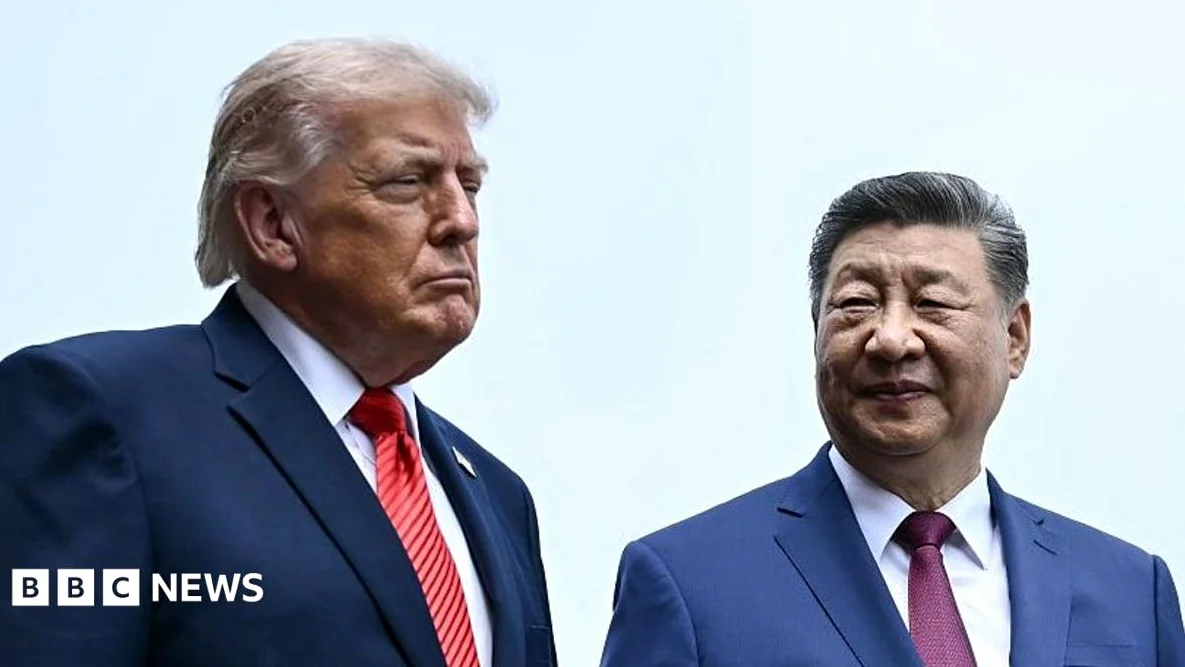
US President Donald Trump is already speaking about the war in the past tense. He has declared victory and needs an exit. Not only does he have a state visit from King Charles in the diary for later this month, followed by a summit with China’s President Xi Jinping in May, there are midterm elections in November. With America’s summer holiday season looming, Trump also needs petrol prices to fall back to where they were before he went to war. Royal visits, summits, and elections do not mix well with wars, according to the BBC.
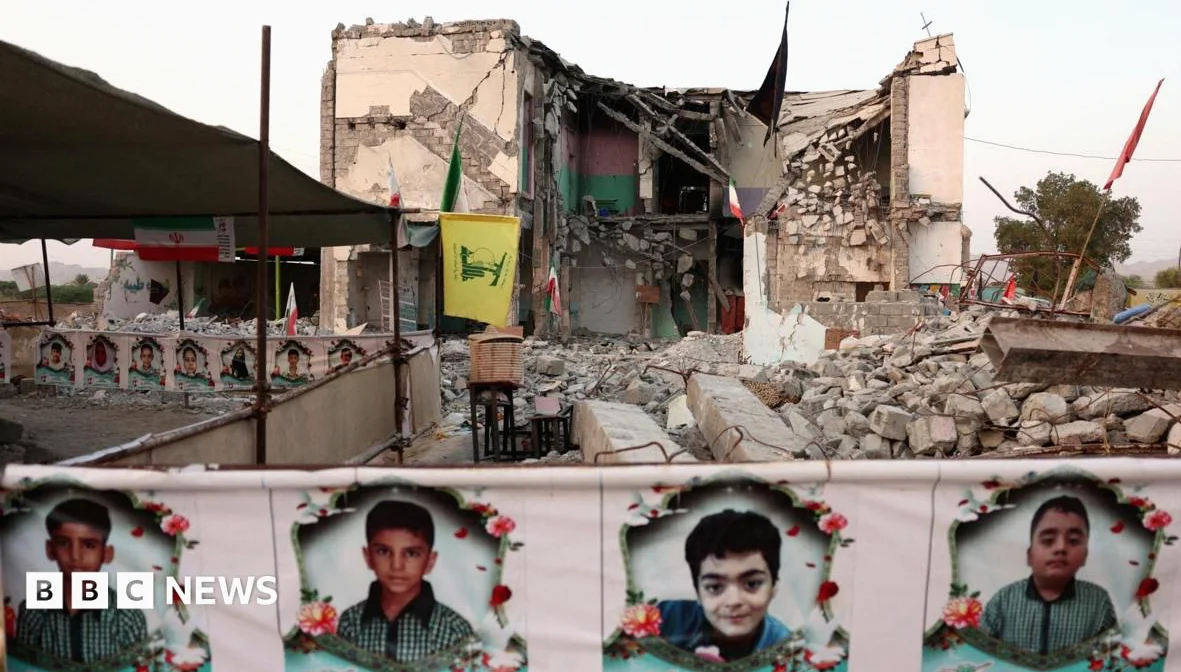
Iran’s regime has its own reasons to end the war. It is as defiant as ever, still able to launch missiles and drones, with its social media warriors pouring out AI videos lampooning Donald Trump. But Iran has suffered massive damage. Cities have come to an economic standstill, and the regime needs time to regroup and will try to use the talks in Pakistan to strengthen its position, according to the BBC.
Challenges in Negotiations
The Pakistani intermediaries who will be shuttling between the two delegations have a tough job on their hands. The declared positions of the two sides are as far apart as it is possible to be. Trump has a 15-point plan that has not been published but leaked versions make it sound more like a surrender document than a basis for negotiation. Iran’s 10-point plan contains a list of demands that America has consistently rejected in the past, according to the BBC.
Creating a more durable ceasefire will require some kind of agreement to at least keep talking about the two sides’ contradictory lists of intractable issues. It would be hard enough to work through them in peacetime. In wartime, without any kind of mutual trust, even a form of words that keeps the ceasefire going irrespective of there being no agreement on wider issues will look positive. No agreement at all points towards the road back to war, according to the BBC.
Hormuz as a Central Issue
The newest, and most urgent problem they face concerns reopening the Strait of Hormuz, the narrow exit from the Gulf. Keeping it closed gives Iran a chokehold on the world economy. Reopening the waterway that was used by hundreds of ships a day until the US and Israel attacked Iran has become the central issue in the negotiation. The millions of civilians in the Middle East who have been caught up in this conflict hope this negotiation will be the war’s endgame, according to the BBC.
The Americans did not expect to be spending early April sitting down to ceasefire talks when, alongside Israel on 28 February, they ignited the war with huge strikes that killed among many others Iran’s supreme leader, his wife, and other members of their family. Trump was expecting a quick victory, an Iranian version of the US military’s stunning kidnap of the Venezuelan leader Nicolas Maduro and his wife in January. Both are on trial in New York on narco-terrorism charges, and the US has installed his former deputy in the presidential palace, according to the BBC.
Hopes – expectations – that killing Iran’s supreme leader, Ayatollah Ali Khamanei, in the war’s first wave of airstrikes would lead to the collapse of the regime were wildly misplaced. His son Mojtaba has not been seen since he was appointed as his successor. There is speculation that he was badly hurt in the attack that killed his parents, as well as reportedly his sister, his wife, and one of his sons. With or without the active participation of the new supreme leader, Iran’s regime has demonstrated depths of resilience that took Trump by surprise, according to the BBC.
The war that the US and Israel ignited is already reshuffling Middle Eastern geopolitics. As the longer-term consequences of the war reveal themselves, that process will deepen. The US and Israel have done immense damage to Iran’s armed forces as well as its military and civilian infrastructure. However, while the Iranian regime may be battered, it’s also intact. Regime change is not happening. Iran can still launch missiles and drones. That means that despite loud claims, the US and Israel have not translated tactical victories into strategic advances, according to the BBC.
Iran, on the other hand, has shown that the closing of the Strait of Hormuz gives it a strategic edge that Donald Trump either dismissed or did not understand when he listened to Israeli Prime Minister Benjamin Netanyahu’s arguments for going to war with Iran. It should not have been a surprise that Iran blocked the Strait when it was attacked. Iran has threatened to do so in the past, and disrupted oil shipments there during the war with Iraq in the first years of the Islamic Republic in the 1980s. For decades, wargaming the impact of a closure has been a standard part of planning in ministries of foreign affairs and defence in all the countries that depend on shipping routed through the Strait, including the US, but that did not stop Trump’s rush into what currently looks like an ill-advised war, according to the BBC.
Until the US and Israel attacked Iran, ships carrying 20% of the world’s oil and gas transited the Strait every day. They also carried other vital byproducts of petrochemical industries that go into agricultural fertiliser and high-tech products including semiconductors. In an integrated global economy, the impact of blocking the Strait is amplified, perhaps more than even Iran’s leaders expected. The ability to stop shipping using one of the world’s most important trading arteries is a potent weapon that Iran wants to turn into a long-term strategic gain. Alongside demands for the closure of US bases in the region, for reparations for war damage, a return to the enrichment of uranium and the lifting of sanctions, Iran wants to institutionalise its control of the Strait, according to the BBC.



Comments
No comments yet
Be the first to share your thoughts