

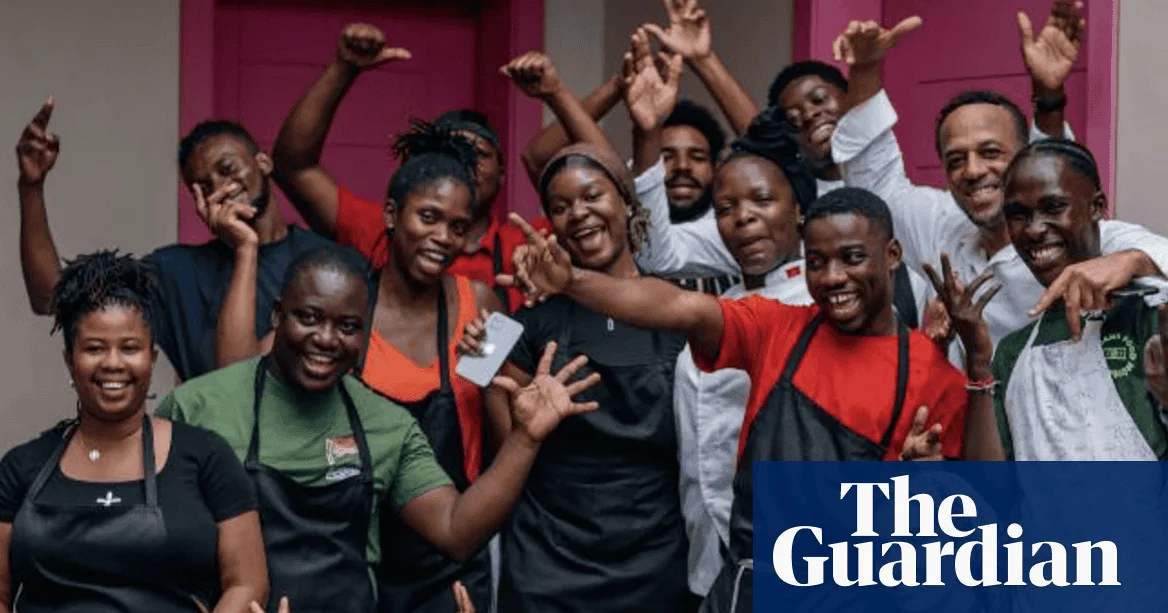
Abiro Wisdom spent three years at catering school at Accra Technical University, but by the time he graduated in 2019, he had no interest in the path laid out for him, working in international hotels and mastering French, Italian, and Mexican cuisine. The nutritious, homegrown food he had eaten while growing up in Bolgatanga, northern Ghana, wasn’t part of the curriculum at all.
Reclaiming Local Cuisines
“I didn’t see myself there,” Wisdom said of the big chain hotels. “I felt I wouldn’t be myself working there, I wouldn’t be able to talk about the food from where I come from.” Instead, he joined the Ghana Food Movement (GFM), founded in 2019, the same year he graduated, and quickly became a champion for Indigenous foods. “We’re a community of food lovers, of believers in the potential of Ghanaian food,” he said.
Ghana imports at least half of its food and is heavily influenced by foreign cuisine and ingredients, but Wisdom believes northern Ghana, the country’s agricultural heartland, could be the secret to fixing the country’s broken food system. The region is rich in nutritious and climate-resilient crops and vegetables that have been overlooked in modern food systems.
Reviving Forgotten Crops
The GFM started as a loose network of volunteers, chefs, farmers, entrepreneurs, and experts in food security. In the early days, they met in cafes and held dinners in whatever space they could find, preparing three-course meals often using a single local crop. “Traditionally we make tigernut milk, but you can make so many different things, for example tigernut burgers and tigernut kebabs,” said Aimee Wallin, the group’s Malian-Swedish co-managing director.
The movement highlights ingredients like tigernuts and moringa, which are both nutrient-dense and climate-adaptive — Moringa lattes, for example, are made from the leaves of the moringa tree, which is rich in vitamins and minerals. Tigernuts, which are tubers, are used to make milk and a variety of snacks and meals, these foods have long been staples in rural areas but are now being rebranded and reintroduced in urban settings.
Building a Sustainable Food System
Wisdom sees the revival of these Indigenous foods as a way to not only improve nutrition but also to reduce reliance on imported goods, Ghana’s food system is fragile, with high levels of food insecurity and dependence on external markets. By focusing on local ingredients, the GFM hopes to create a more resilient and self-sufficient food system.
While the movement is still in its early stages, it has already sparked interest among young Ghanaians who are eager to reclaim their culinary heritage; the movement is not just about food, it’s about identity, sustainability, and empowerment.






Comments
No comments yet
Be the first to share your thoughts