

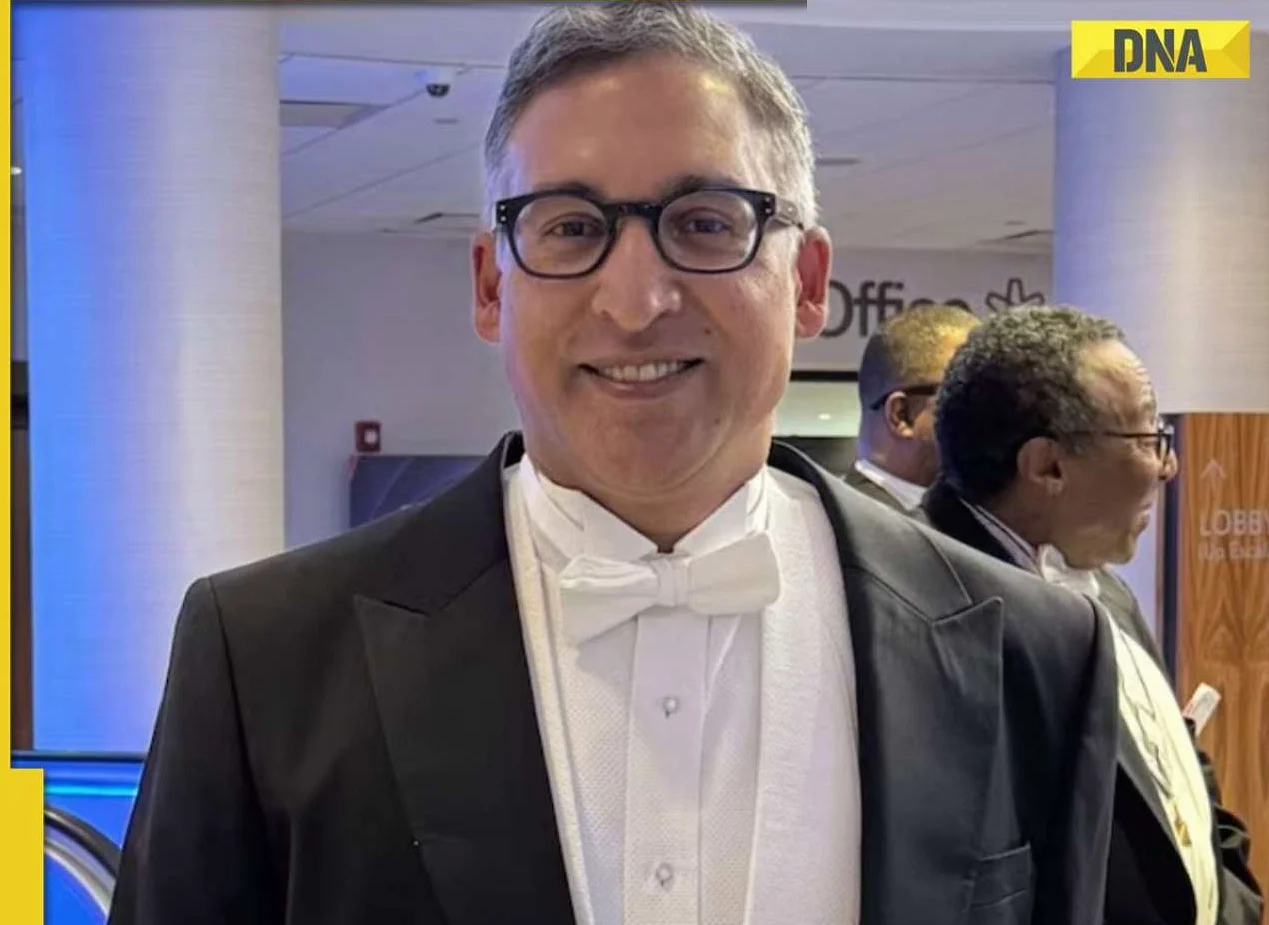
WASHINGTON — A divided U.S. Supreme Court ruled 6-3 on Friday that former President Donald Trump overstepped his authority with sweeping global tariffs, handing a victory to small businesses and their attorney Neal Katyal.
Chief Justice John Roberts wrote the majority opinion, which held that Congress alone controls tariff powers unless it explicitly delegates them to the president. The decision blocks Trump’s use of a 1977 trade law to impose duties on steel, aluminum and other imports from dozens of countries.
Neal Katyal, arguing for the Liberty Justice Center and a coalition of small businesses hurt by higher steel costs, called the outcome a ‘complete and total victory.’ ‘This case was about separation of powers, not any one president,’ Katyal said after the ruling. He praised his Milbank LLP team and the business owners who fought the tariffs as unconstitutional taxes.
The challengers included U.S. Steel Corp. rivals and manufacturers like Thunder Basin Coal Co. and Texas-based carpet maker Engineered Floors. They argued the tariffs violated the Constitution by letting the president bypass Congress on revenue-raising measures.
Roberts, joined by Justices Sonia Sotomayor, Elena Kagan, Ketanji Brown Jackson and Neil Gorsuch, stressed that trade laws do not grant the president unlimited tariff authority. The court rejected Trump’s national security justification under Section 232 of the Trade Expansion Act.
Justices Clarence Thomas, Samuel Alito and Brett Kavanaugh dissented. They contended the president needs flexibility to respond to trade threats. ‘The majority ties the president’s hands at a time of economic peril,’ Alito wrote.
Katyal, 54, brings a storied resume to the win. A former acting U.S. solicitor general under President Barack Obama, he has argued 50 cases before the Supreme Court — more than any minority lawyer in history. He teaches at Georgetown University Law Center and earned the Justice Department’s Edmund J. Randolph Award for distinguished service. The American Lawyer named him Litigator of the Year in 2017 and 2023.
Trump fired back on Truth Social, vowing a 10% tariff on all imports despite the ruling. He promised immediate investigations into unfair trade practices that could justify future duties. ‘America First means protecting our workers from foreign cheaters,’ Trump posted.
Legal experts see the decision as a check on executive overreach. It echoes a May ruling limiting Trump’s use of another emergency law for border wall funds. Trade groups cheered the outcome. The National Association of Manufacturers said it restores predictability to global supply chains.
Small businesses hailed Katyal’s role. ‘Neal gave us a voice against Washington overreach,’ said Engineered Floors CEO William Clark. The tariffs had driven up costs for nails, pipes and appliances, squeezing profits amid inflation.
The case, Liberty Justice Center v. United States, began in 2018 when Trump targeted Canada, Mexico, the EU and others over alleged security risks. Lower courts split, sending it to the Supreme Court after the Biden administration dropped the appeal but challengers pressed on.
Friday’s ruling forces the Commerce Department to unwind remaining tariffs or seek congressional approval. It leaves room for targeted duties under other statutes, but Trump’s broad approach is curbed. Economists estimate the tariffs cost U.S. consumers $80 billion since 2018.
Katyal’s victory burnishes his profile ahead of potential 2024 election fights. He has tangled with Trump before, defending travel ban challengers and arguing against census citizenship questions. Colleagues call him a master of constitutional arguments, blending sharp advocacy with deep scholarship.
As debates rage over trade wars and presidential power, the court drew a firm line. Congress returned from recess facing pressure to clarify tariff rules. For now, Katyal’s clients breathe easier, their legal bet paying off at the nation’s highest court.




Comments
No comments yet
Be the first to share your thoughts