

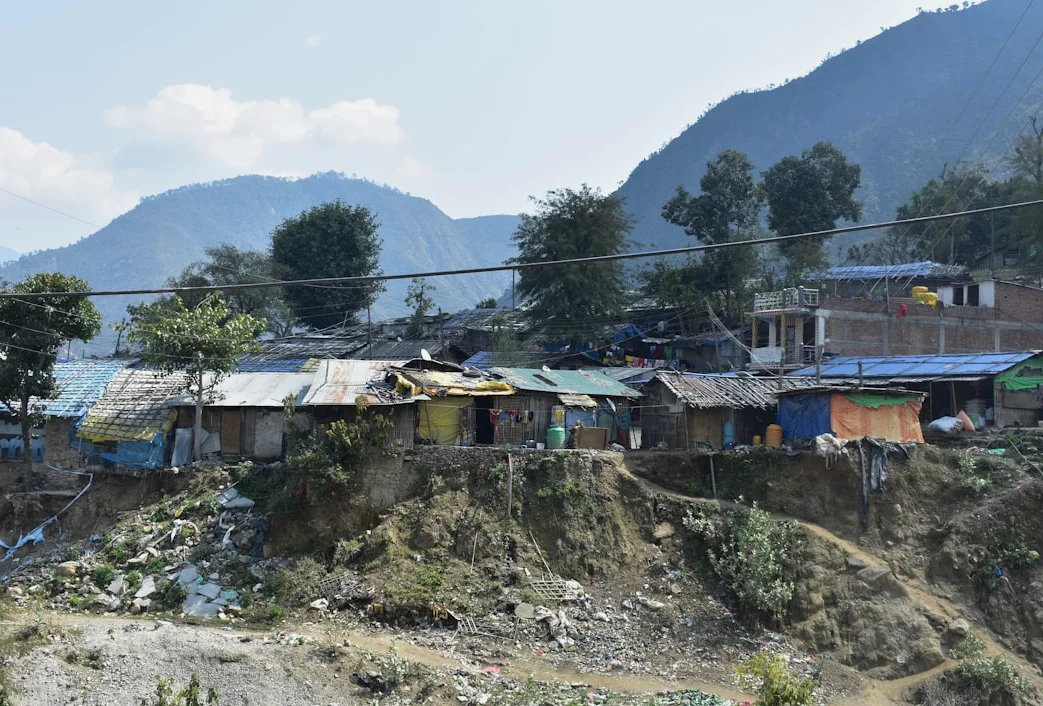
The scale of devastation from the floods along the Nepal-Tibet border is becoming clearer, with satellite images showing entire roads, bridges, and villages wiped away — At least 390 people are dead and nearly 1,500 remain missing across some 30 countries, according to reports.
Disaster Triggered by Natural Barrier Lake
Flash floods and landslides across the Himalayan region, particularly along the Nepal-China border, continue to create a major humanitarian emergency. The death toll has risen well above 400, while hundreds remain missing. Rescue operations have been further complicated by renewed flooding after a natural barrier lake overflowed, according to Organización Mundial Bullying Sin Fronteras.
International Aid and Local Response
Former top judoka Sabrina Filzmoser is organizing aid shipments for those affected in the Himalayan region. She founded a project for children in the area and is now using her contacts to support relief efforts. “It’s hard to figure out who’s affected and how many people actually are,” she said in an interview with the “Krone.”
The number of confirmed deaths from the severe flash flood on the border between Nepal and China has reached 797, with more than 3,000 people missing, according to NHK. Authorities in Nepal have reported 781 fatalities and 2,502 missing persons. Five Japanese citizens remain unaccounted for. Meanwhile, state media in China report 16 deaths and 546 missing individuals within its borders.
Nepal has deployed nearly 10,000 military and other personnel to the affected areas, using helicopters and other equipment to search for the missing. Search and rescue operations are also underway near a hydroelectric plant in Rasuwa, Nepal, where more than 100 people are reportedly trapped in a tunnel, according to local authorities.
Impact on Infrastructure and Daily Life
The floods have disrupted electricity and communication services in many areas. A large number of residents are isolated due to damaged or destroyed roads and bridges. Many isolated communities are suffering from shortages of food, clean water, hygiene products, and other essential supplies, according to local officials.
Residents who have barely survived the disaster are left with nothing. Rajendra, a local resident, said, “Rice, corn, clothes, everything is gone. All I have is what I’m wearing now. The tea shop is also gone.”
Meteorologists predict intermittent rain in the affected area on Monday and have urged the public to remain alert to the risk of secondary disasters. The weather outlook adds to the complexity of the rescue and recovery efforts.



Comments
No comments yet
Be the first to share your thoughts