

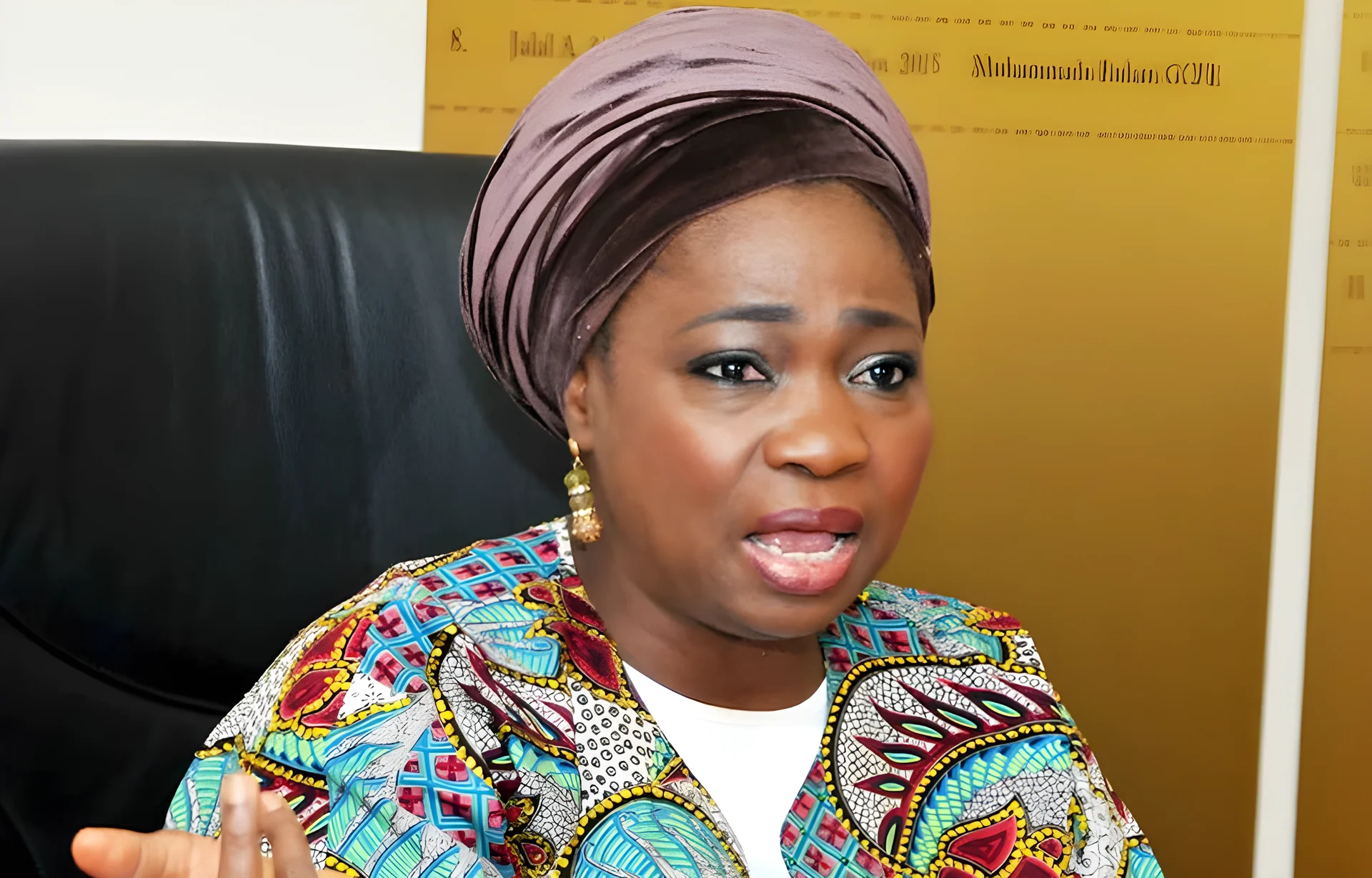
Nigerians in Diaspora Commission (NIDCOM) has confirmed that no distress calls have been received from Nigerians living in Iran following recent missile strikes by the United States and Israel against the country. This clarification comes as the Federal Ministry of Foreign Affairs continues to monitor the escalating situation in the Middle East.
Regional Tensions and Protests in Nigeria
The developments follow demonstrations in Lagos, where dozens of protesters marched through the Maryland area, chanting anti-US and anti-Israel slogans. They called for international condemnation of foreign intervention in sovereign nations. The demonstrations heightened local tensions, with many passers-by avoiding the area due to the volatile atmosphere.
The protests were linked to the killing of Iran’s Supreme Leader, Ayatollah Ali Khamenei, which sparked widespread unrest. Shi’ite communities across several Nigerian states, including Kano, Sokoto, Gombe, Niger, Kaduna, Bauchi, and Yobe, held demonstrations in response to the attack.
Escalation in the Middle East
The conflict has now spread beyond the initial flashpoints in the Middle East. Lebanon-based group Hezbollah has entered the fray, reportedly targeting a British air base in Cyprus. Meanwhile, the price of Nigeria’s Bonny Light crude oil rose to $80 per barrel, marking a significant increase from $70 per barrel recorded on Sunday. This is the highest level since July 2025, signaling potential economic implications for Nigeria and the global energy market.
Abdur-Rahman Balogun, Director of Media and Public Relations at NIDCOM, confirmed in a telephone interview that no Nigerians in Iran had contacted the commission for assistance. He stated that while some Nigerians may be residing in Iran, none have officially reached out for help.
Balogun noted that NIDCOM does not maintain an official estimate of the number of Nigerians affected in the region. He advised that inquiries be directed to the Federal Ministry of Foreign Affairs, which has responsibility for diplomatic relations and consular services abroad.
“We don’t have embassies there. The only person controlling embassies is the Minister of Foreign Affairs. They will be able to tell you,” Balogun said, emphasizing the lack of direct diplomatic presence in Iran.
When asked about possible collaborations with airlines or foreign authorities to assist stranded Nigerians, Balogun stated that such efforts are currently not feasible. He noted that all international flights have been suspended, and Nigeria lacks a national carrier operating international routes.
“Which Nigerian airline? We don’t have one now,” he said, highlighting the challenges faced by the commission in providing immediate support to Nigerian citizens abroad.
Implications for Nigerian Citizens Abroad
The absence of a functioning Nigerian embassy in Iran and the lack of direct communication from Nigerians in the region raises concerns about the safety and support available to those living or traveling in the country. With the conflict intensifying, the risk of diplomatic and security challenges increases significantly.
Experts have called for increased awareness and preparedness among Nigerian citizens abroad. “It’s crucial for Nigerians in Iran to stay informed and maintain contact with family members in Nigeria,” said a spokesperson for a local diaspora organization. “In the absence of formal diplomatic channels, personal networks may be the only line of support available in a crisis.”
The situation also highlights the need for Nigeria to enhance its diplomatic presence and emergency response capabilities in regions like Iran, where geopolitical tensions are rising. The Federal Ministry of Foreign Affairs has not yet commented on the need for additional consular support in the Middle East.
As the conflict continues to unfold, the Nigerian government and diaspora organizations are urged to prepare for potential challenges that could affect Nigerian citizens abroad. With no clear timeline for resolution, the situation remains fluid and potentially dangerous for those caught in the crossfire.





Comments
No comments yet
Be the first to share your thoughts