

 AFP
AFP 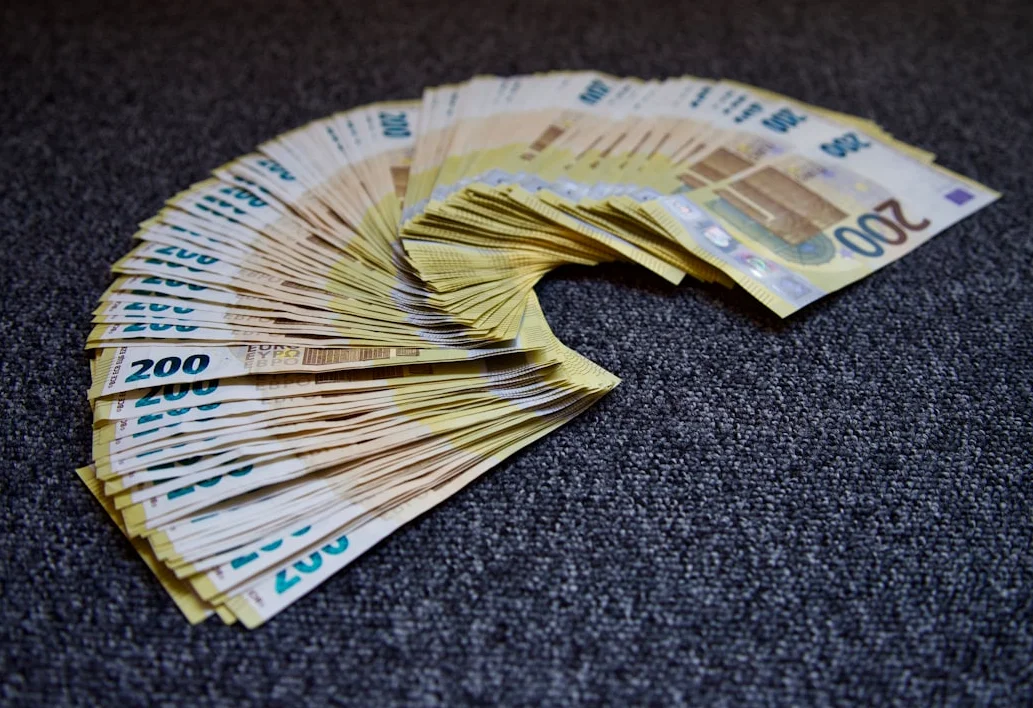
A new report has alleged that the Nigerian government secretly paid billions of naira to Boko Haram terrorists to secure the release of 230 kidnapped schoolchildren and staff from St. Mary’s Catholic boarding school in Papiri, Niger State. The alleged payment, if confirmed, would represent a major breach of Nigeria’s strict anti-ransom laws enacted in 2022.
Abduction Sparks National Shock
The November 21 kidnapping of pupils and staff from St. Mary’s Catholic boarding school shocked Nigeria. Initially, over 300 individuals were taken, with at least 50 reportedly escaping captivity. The attack on a school, a symbol of innocence, sent shockwaves through the country and raised concerns about the safety of educational institutions in conflict zones.
According to intelligence sources cited by AFP, the Nigerian government paid a ransom ranging from N2 billion to N10 billion to secure the children’s freedom. One source claimed the government paid approximately N40 million per hostage, estimating the total at around $7 million. Others pegged the figure at N2 billion.
Ransom Transport And Negotiations
The funds were allegedly transported by helicopter into Boko Haram’s enclave in Gwoza, Borno State, near the Cameroon border. The money was said to have been handed over to Ali Ngulde, a senior Boko Haram commander. Due to poor communications in the remote region, Ngulde reportedly crossed into Cameroon to confirm receipt of the ransom before the first batch of 100 children was released.
The investigation fingered a feared Boko Haram figure known as Sadiku as the mastermind of the kidnapping. Sadiku, already infamous for hijacking a passenger train from Abuja in 2022 and extracting hefty ransoms, allegedly operates a terror cell in Niger State despite the group’s traditional stronghold in the northeast.
Two Boko Haram commanders were also reportedly freed as part of the negotiations — a move likely to provoke outrage among security analysts and international partners. The Nigerian government has repeatedly denied paying any ransom. Nigeria’s Department of State Services (DSS) insisted, ‘Government agents don’t pay ransoms.’
However, four intelligence sources familiar with the negotiations contradicted this official position, telling AFP that the payment was indeed made after intense back-channel talks led by National Security Adviser Nuhu Ribadu. The negotiations reportedly lasted two weeks before the captives were freed.
Implications For Diplomacy And Counterterrorism
The revelation could create diplomatic tensions with the United States. President Donald Trump had previously ordered airstrikes on jihadist targets in northern Nigeria on Christmas Day and deployed military trainers to assist Nigerian forces. A confirmed ransom deal with Boko Haram would directly contradict Nigeria’s publicly stated counterterrorism stance and may undermine international military cooperation.
Nigeria criminalised ransom payments in 2022, making it illegal for individuals or institutions to pay kidnappers. The alleged government payout, if confirmed, would represent a dramatic breach of that law. The country has been plagued by mass kidnappings for years, with armed gangs and jihadist groups exploiting weak security architecture to extort millions from families and communities.
As of press time, the Presidency has not issued a fresh statement responding directly to the AFP investigation. Analysts warn that such a breach of policy could weaken public trust in the government’s counterterrorism strategy and embolden kidnappers across the region.






Comments
No comments yet
Be the first to share your thoughts