

 WH News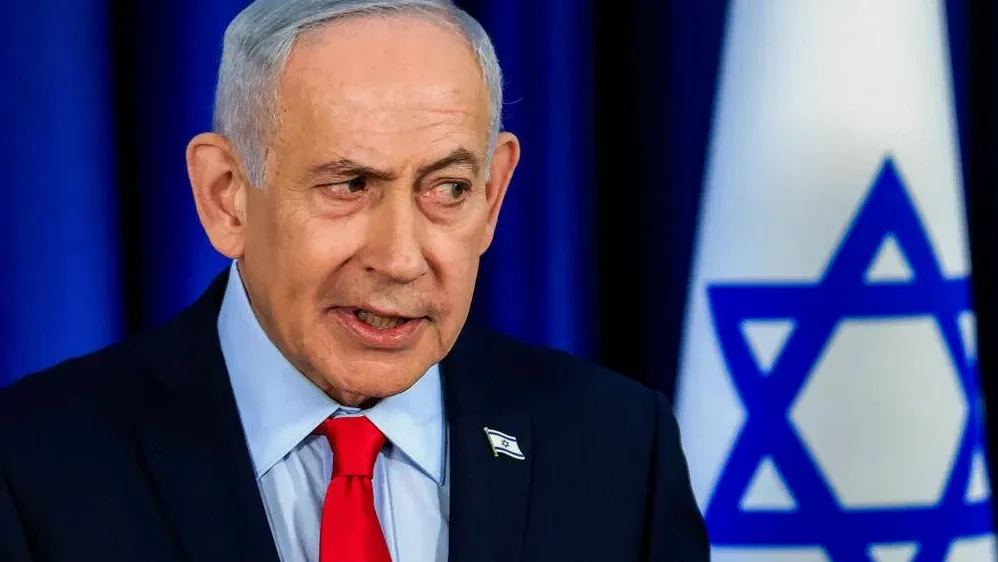
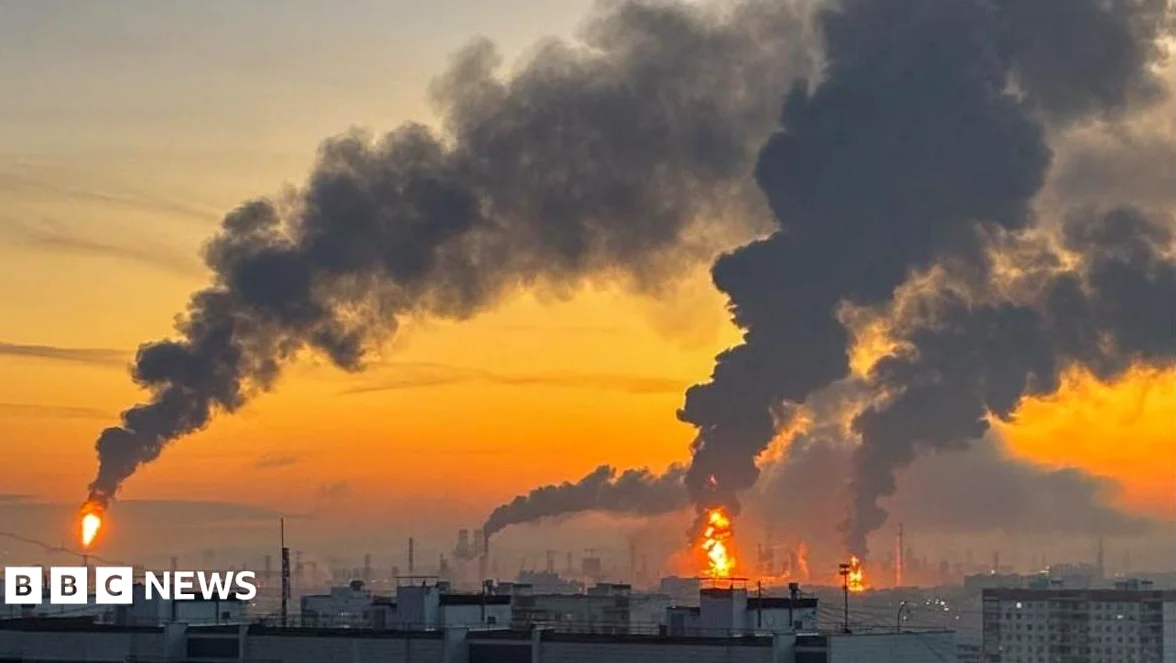
On a Friday morning in the Persian Gulf, a fire erupted at Kuwait’s Mina Al-Ahmadi oil refinery, triggered by drone attacks. The incident was not an isolated one. Across the region, from Bahrain to Qatar, energy infrastructure faced relentless assaults. The war between Israel and Iran has now reached the heart of the world’s largest natural gas reserves—the North Dome Gas-Condensate Field. This field, shared between Iran and Qatar, is not just a strategic asset for both nations; it is the lifeblood of the region’s energy economy.
The Strategic Crossroads of the Persian Gulf
Located in the northern Persian Gulf, the North Dome Gas-Condensate Field is the largest natural gas field in the world. It spans an area of over 4,000 square kilometers and contains an estimated 53 trillion cubic meters of natural gas. This field is a critical resource for both Iran and Qatar, with Iran’s portion known as South Pars and Qatar’s known as North Dome. The field’s strategic importance cannot be overstated. It provides energy to millions, powers entire economies, and is a key component of global energy security.
Iran’s South Pars field accounts for about 80% of the country’s natural gas production. This makes it a linchpin in Iran’s energy infrastructure, powering homes, industries, and electricity grids. For Qatar, the North Dome is the cornerstone of its liquefied natural gas (LNG) exports, which make up about 80% of the country’s revenue. The field’s disruption, therefore, has far-reaching implications for the entire region.
A War That Reaches the Energy Heartlands
The current conflict between Israel and Iran has escalated to a point where energy infrastructure is no longer a collateral concern—it is a target. On Wednesday, Israel launched a significant strike on Iran’s South Pars field, a move that Iran immediately retaliated against. The response came in the form of attacks on energy facilities across the Gulf, including the Ras Laffan LNG plant in Qatar, which was forced to shut down after drone strikes.
Qatar’s Ras Laffan plant, the crown jewel of its LNG industry, suffered extensive damage. Industry experts warn that the plant’s recovery could take up to five years, with the consequences rippling through global markets. Buyers in Asia, Europe, and the Americas are already bracing for the impact of prolonged supply disruptions.
Meanwhile, Kuwait’s Mina Al-Ahmadi refinery, one of the largest in the country, faced drone attacks that caused a fire. The incident highlights the vulnerability of Gulf energy infrastructure, which has become a battleground in this regional war. The refinery’s processing capacity of 730,000 barrels per day makes it a vital hub for the region’s energy supply.
Energy Infrastructure as a Weapon
The attacks on energy infrastructure are not merely tactical; they are strategic. Iran’s Foreign Minister Seyed Abbas Araghchi warned that if its infrastructure was targeted again, there would be “zero restraint.” This sentiment highlights the growing tension between the two nations, where energy assets are now being treated as weapons in a broader geopolitical struggle.
The Gulf states have not been passive in the face of these threats. Saudi Arabia reported shooting down multiple drones targeting its oil-rich Eastern Province. Bahrain also experienced a fire at a warehouse caused by shrapnel from an intercepted projectile. These incidents demonstrate that the conflict is not confined to Israel and Iran—it is now engulfing the entire Gulf region.
Israel, too, has suffered attacks on its energy infrastructure. A missile strike on the Haifa oil refinery complex highlights the reciprocal nature of the conflict. The war is no longer just about military targets; it is about disrupting the economic lifelines of both sides.
The Human Cost and Economic Fallout
The war has taken a heavy toll on human lives. In Lebanon, the death toll from Israeli airstrikes has surpassed 1,000. The conflict has also displaced thousands, with the humanitarian crisis deepening as the war drags on. Meanwhile, the economic fallout is becoming increasingly apparent. The energy sector, which is the backbone of the Gulf economy, is now under siege.
Emerging economies, which rely heavily on stable energy prices, are already feeling the strain. The volatility in energy markets has led to a surge in oil and gas prices, which could have long-term implications for global inflation and economic growth. The International Energy Agency (IEA) has warned that the conflict could disrupt global energy supplies for years to come.
A Historical Precedent and a Future of Uncertainty
The current conflict echoes historical precedents where energy infrastructure has been used as a weapon of war. The 1991 Gulf War saw Iraq attack oil facilities in Kuwait, causing a global oil price shock. Similarly, the 2019 attacks on Saudi oil facilities by Houthi rebels in Yemen sent shockwaves through global markets. The difference this time is the scale and complexity of the conflict, which involves multiple actors and energy assets.
Experts warn that the damage to the North Dome Gas-Condensate Field could have far-reaching implications. The field’s disruption could lead to a prolonged period of energy insecurity, affecting not just the Gulf but the entire world. The international community is now watching closely, hoping for a de-escalation that would prevent further damage to this vital resource.
What Lies Ahead
The future of the North Dome Gas-Condensate Field is uncertain. If the conflict continues, the field could become a battleground, with both Iran and Qatar seeking to protect their interests. The international community may need to intervene to prevent further damage to this critical asset. However, the geopolitical stakes are high, and the risk of further escalation remains.
For now, the region remains in a state of flux, with energy infrastructure caught in the crossfire. The war has already reshaped the energy landscape, and the question remains: can the world afford another five years of instability in one of its most vital energy sources?




Comments
No comments yet
Be the first to share your thoughts