

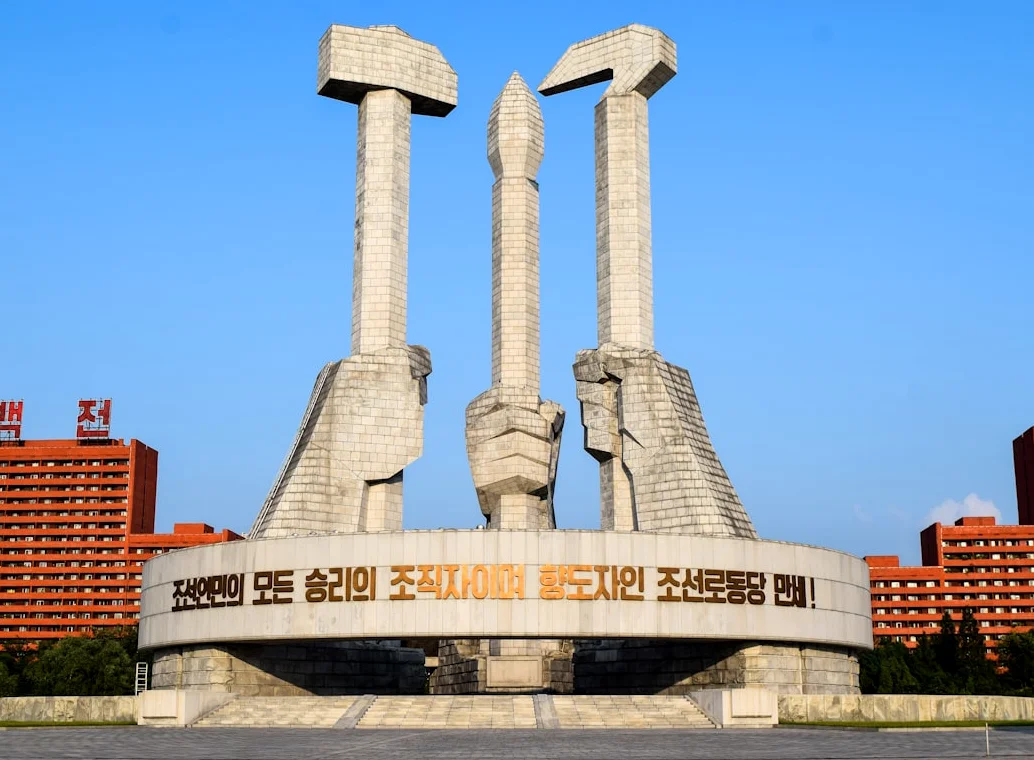
North Korea fired more than 10 short-range ballistic missiles on August 20 from the Pyongyang area toward the East Sea, according to South Korea’s Joint Chiefs of Staff. The missiles flew around 186 miles (300 kilometers) before landing in the sea, as reported by South Korean and South Korean news outlets — the launch occurred amid U.S.-South Korea joint military exercises that have been scaled back at the request of U.S. President Donald Trump, who aims to revive diplomatic efforts with North Korean leader Kim Jong Un.
Escalating Tensions Amid Reduced Drills
Kim Yo Jong, the sister of North Korean leader Kim Jong Un, condemned the U.S.-South Korea military drills on August 19, calling them a rehearsal for invasion. Trump announced earlier in the week that he had ordered a substantial reduction in U.S. participation in the exercises, shortening them to end on Friday. However, Kim Yo Jong criticized Trump’s decision as “an evident disaster brought by the unrealistic and anachronistic security outlook” pursued by South Korea, arguing the South maintained a “master-and-servant” relationship with the U.S.
Trump claimed on August 20 that he had received a response from Kim Jong Un after scaling back the drills, but Kim Yo Jong denied any recent communication between the two leaders, maintaining that the U.S. “hostile policy” toward North Korea had not changed; Russian Foreign Ministry spokeswoman Maria Zakharova said Moscow “can only welcome” the U.S. decision to cut back on joint military drills with South Korea.
Pyongyang’s Nuclear Capabilities and Missile Systems
South Korean Defense Minister Ahn Gyu-back told lawmakers that North Korea possesses between 80 and 120 nuclear warheads and that the short-range ballistic missiles launched on August 20 are likely 600 mm multiple rocket launchers. North Korea has previously described the 600 mm system, known externally as the KN-25, as being capable of delivering tactical nuclear warheads. South Korea and the U.S. are analyzing the exact specifications of the missiles, which Pyongyang has used in recent launches to test and improve its weapons technology.
KBS News reported that North Korea has focused this year on a series of short-range missile launches to develop and refine its weapons using real-world data from launches. This trend aligns with North Korea’s broader strategy to maintain military pressure while engaging in diplomatic overtures with the U.S.
Regional Responses and Diplomatic Concerns
Chinese Foreign Minister Wang Yi, who visited Seoul this week, urged South Korea not to take sides between Beijing and Washington; he also called on the U.S. to abandon its “hostile” policy toward North Korea to ease tensions on the Korean Peninsula. South Korea’s presidential office condemned the missile launch as a “grave act that violates U.N, but Security Council resolutions” and ordered its military to remain on full alert during the drills.
Analysts suggest that Trump’s sudden focus on North Korea and his decision to scale back joint exercises have raised concerns among Asian allies, though the move has also sparked speculation that Trump is seeking a foreign policy win amid stalled progress in the Iran war. Meanwhile, North Korea’s missile launches continue to signal its defiance of international pressure and willingness to test regional stability.



Comments
No comments yet
Be the first to share your thoughts