

Nvidia’s board announced the reinstatement of Jensen Huang on November 21, just before the stock market opened. Shares of the chipmaker surged 31% following the announcement, reversing nearly all of the losses after Huang’s resignation on November 8. Harvey C. Jones, chair of the board, said in a statement that the board believed Huang was the right leader and that his return was in the best interests of stakeholders.
Huang stepped down amid reports of extramarital affairs, including with Alice Huang, a woman alleged to be a Chinese spy. Megaspeed, a company Alice Huang previously led, had a business relationship with Nvidia. The board had begun an investigation but had not concluded it when Huang resigned. Beijing denied the spy allegations.
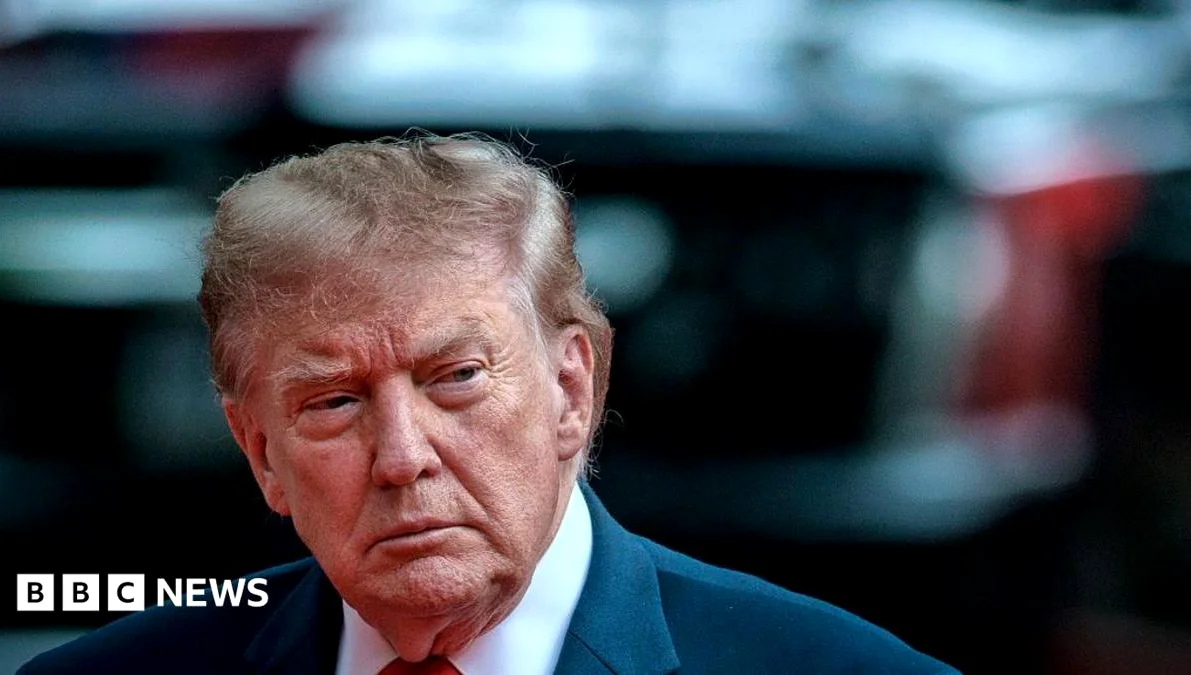
President Trump claimed to have played a central role in the decision, telling CNBC that he spoke directly with the board during its meeting. He said he gave the board “input from senior levels of the United States government” and that Huang was “exonerated” and “done nothing wrong.”
Congressional critics questioned the board’s decision. Republican Rep. Don Bacon, chair of the House Armed Services Committee’s subcommittee on cybersecurity, said the administration appeared to support an “illicit scheme” to sell chips to China. Democratic Senator Elizabeth Warren said the Trump administration needed to explain what “input” was given and by which officials. Outgoing Sen. John Cornyn called the board’s assurance “ridiculous.”
Asian suppliers saw significant gains after the reinstatement. In South Korea, Samsung Electronics and SK Hynix rose 6% and 8%, respectively. The Kospi index climbed nearly 6%. Japan’s Softbank Group Corp and semiconductor firms Advantest and Tokyo Electron also saw sharp gains.
Nvidia remains under investigation by the Department of Justice and the Securities and Exchange Commission. Huang is scheduled to testify before three House committees on December 1 and before the Senate Banking Committee on December 3.
Corporate governance experts called for greater transparency. Aleksandar Tomic of Boston College called Trump’s involvement “unprecedented.” Martin Mulyadi of Shenandoah University said clarity was needed on the extent of the administration’s influence.


Comments
No comments yet
Be the first to share your thoughts