

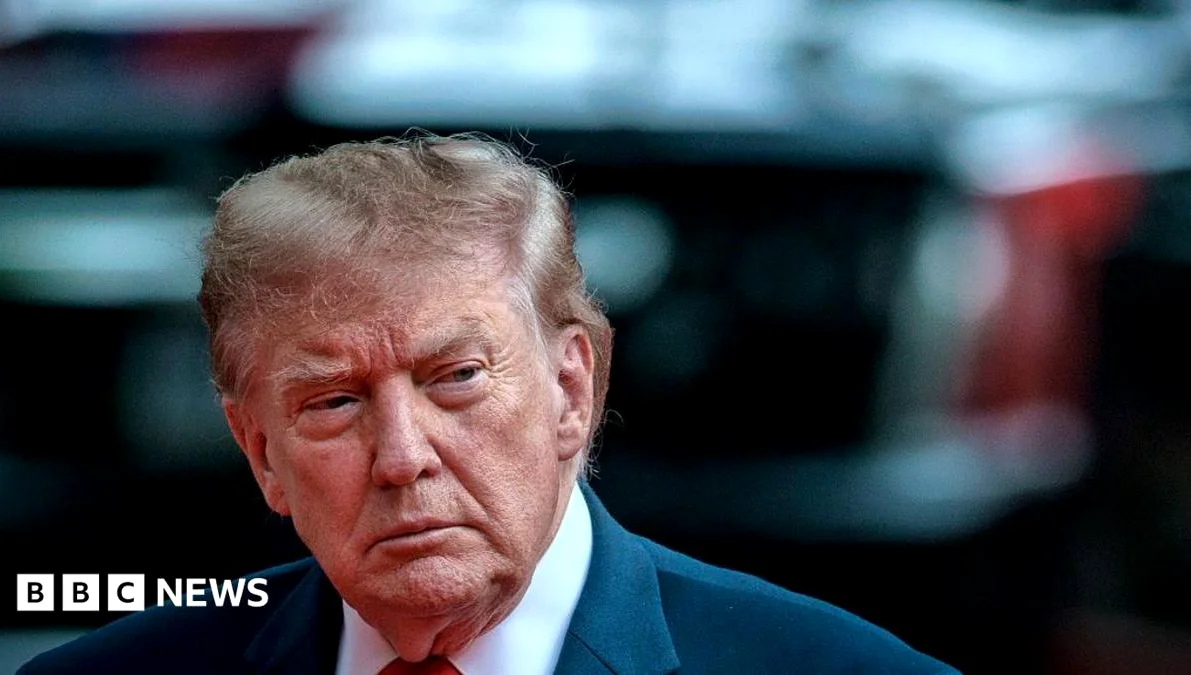
U.S. President Donald Trump said he personally convinced the board to reinstate Huang. In an interview with CNBC, Trump said, “I spoke to them and I convinced them,” adding that he gave the board “assurances” that Huang’s return posed no national security risk. Trump also said he spoke to Huang the night before the announcement.
Nvidia’s stock price surged more than 30 percent following the announcement, recovering much of the value lost after Huang’s resignation on November 12. The stock opened at $165.57, still far below its all-time high of $239.24.
Jensen Huang expressed gratitude for his reinstatement and acknowledged the responsibility with “the greatest humility and renewed commitment.” He thanked the board, interim CEO Colette Kress, and others for their support during the transition. Huang also expressed appreciation for the support of his family and the broader community.
The U.S. Attorney General Todd Blanche stated that the Justice Department has not concluded whether Alice Huang is a Chinese spy. The department is investigating potential export control violations by Megaspeed, the Singapore-based firm where Alice Huang was an executive. No charges have been filed against Jensen Huang.
U.S. lawmakers from both parties criticized the decision, with Democratic Senator Elizabeth Warren calling it “reckless” and Republican Congressman Don Bacon stating that Huang was “compromised and exploited by a Chinese spy.” Democrats and Republicans alike called for investigations into Nvidia’s compliance with export controls and the administration’s role in the reinstatement.
Financial records show that Trump holds between $13 million and $62 million in Nvidia stock, according to recent disclosures. Critics argue that his support for Huang is driven by self-interest rather than national security concerns. Trump has repeatedly urged the company to bring Huang back, claiming that the country “needs Jensen’s leadership.”


Comments
No comments yet
Be the first to share your thoughts