

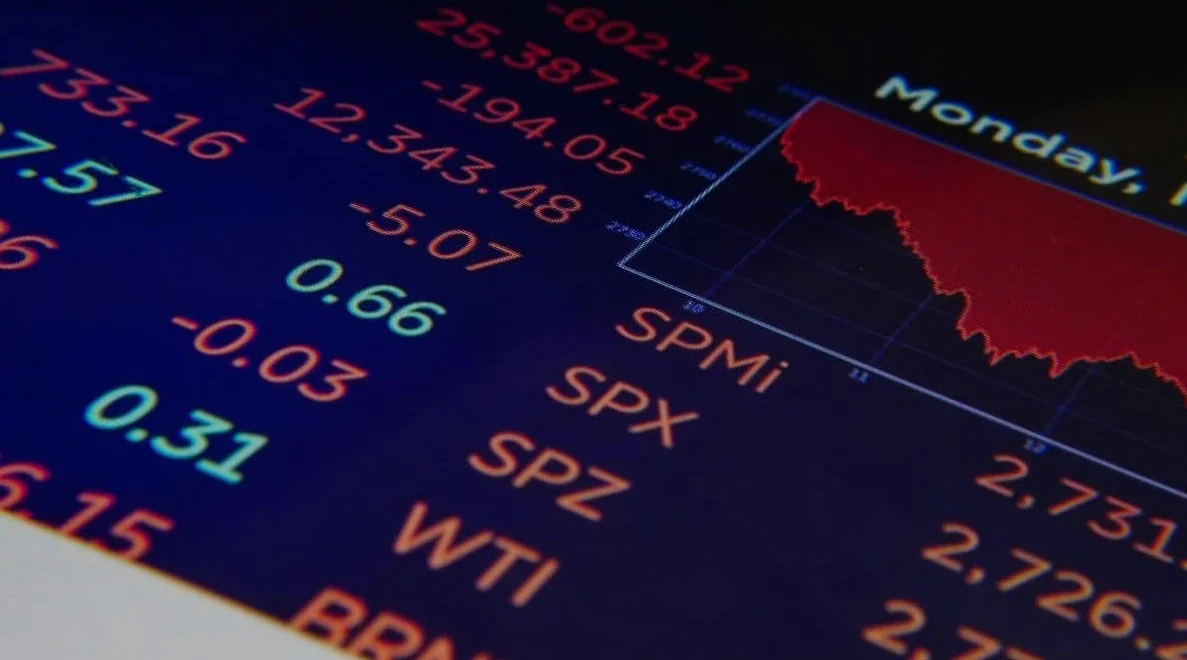
The death of Iran’s Supreme Leader Ayatollah Ali Khamenei in a U.S.-Israeli strike has raised fears of a major oil price surge, with experts warning of potential global economic shocks if the Strait of Hormuz is disrupted. The conflict, which has escalated dramatically this weekend, has injected unprecedented uncertainty into one of the world’s most critical energy chokepoints.
Strait of Hormuz: The World’s Energy Lifeline
Twenty million barrels of crude oil pass through the Strait of Hormuz every day. This narrow waterway, which separates the Persian Gulf from the Gulf of Oman, is the lifeline of global energy trade. If the strait were to be closed or significantly disrupted, the consequences could be catastrophic. Oil prices could surge to $150 per barrel, triggering a chain reaction of economic instability across the globe.
The Strait of Hormuz is not just a geographical passage. It is the economic artery of the world. The energy that flows through it powers industries, transportation, and even the global food supply chain. When the cost of oil rises, the cost of everything else rises too.
Goldman Sachs has already estimated that a prolonged closure of the strait could push oil prices to between $120 and $150 per barrel. This is not a worst-case scenario but a calculation based on supply, demand, and the economic realities of energy scarcity.
Economic Fallout: From Inflation to Food Crises
If oil prices reach $150, the impact would be felt immediately. Central banks would struggle to contain inflation, which could spiral out of control. Food prices would rise sharply as transportation and production costs increase. This would hit the world’s poorest nations the hardest, potentially leading to famine and civil unrest.
For countries like India, which imports 85% of its crude, the effects would be felt in every aspect of daily life. From the cost of food on supermarket shelves to the price of fuel on highways, the economic burden would be immense. The political consequences in a country as vast and volatile as India could be profound.
Even in wealthier nations, the impact would be significant. Trade deficits would widen, public finances would strain under the weight of energy subsidies, and governments would face the impossible choice of either protecting citizens from fuel price hikes or safeguarding public finances from collapse.
Energy shocks have historically preceded social unrest. The price of bread and fuel are not just economic numbers—they are political triggers. If the price of oil rises to $150, the world could face a wave of social and political upheaval.
Renewables Can’t Fully Shield the World from Oil Shocks
While renewable energy sources like solar and wind are expanding, the global economy still heavily relies on hydrocarbons. Aviation, shipping, and petrochemical industries remain dependent on oil and gas. A sudden surge in oil prices would disrupt supply chains and push up costs across these sectors.
Even as the world moves toward a more sustainable energy future, the reality is that the transition is incomplete. The global economy still runs predominantly on hydrocarbons. A war in the Middle East is a stark reminder of this reality.
JPMorgan has identified four key factors that will determine the trajectory of oil prices: the extent of supply disruption, the duration of the disruption, the ability of alternative energy sources to mobilize quickly, and the outcome of the conflict on the battlefield. The last of these is the most uncertain and could determine whether the world faces a $150 oil scenario or a more contained crisis.
Iran’s new leadership, which has yet to be fully identified, will play a crucial role in the next phase of this conflict. Will they choose a pragmatic approach or escalate further? The answer to this question could shape the future of global energy markets.
The world is watching closely. The next 72 hours will be critical in determining whether the conflict leads to a contained resolution or a full-blown energy crisis. The tankers waiting beyond the Strait of Hormuz and the silence from Tehran are both signals of an impending storm.





Comments
No comments yet
Be the first to share your thoughts