

Progress in Negotiations
On Saturday, US President Donald Trump said he had had a “very good call” with the leaders of Saudi Arabia, the United Arab Emirates, Qatar, and others about a “Memorandum of Understanding pertaining to PEACE.” He stated that an agreement had been “largely negotiated” and would be finalized between the US, Iran, and other involved countries. Trump also mentioned a similar positive conversation with Israeli Prime Minister Benjamin Netanyahu.
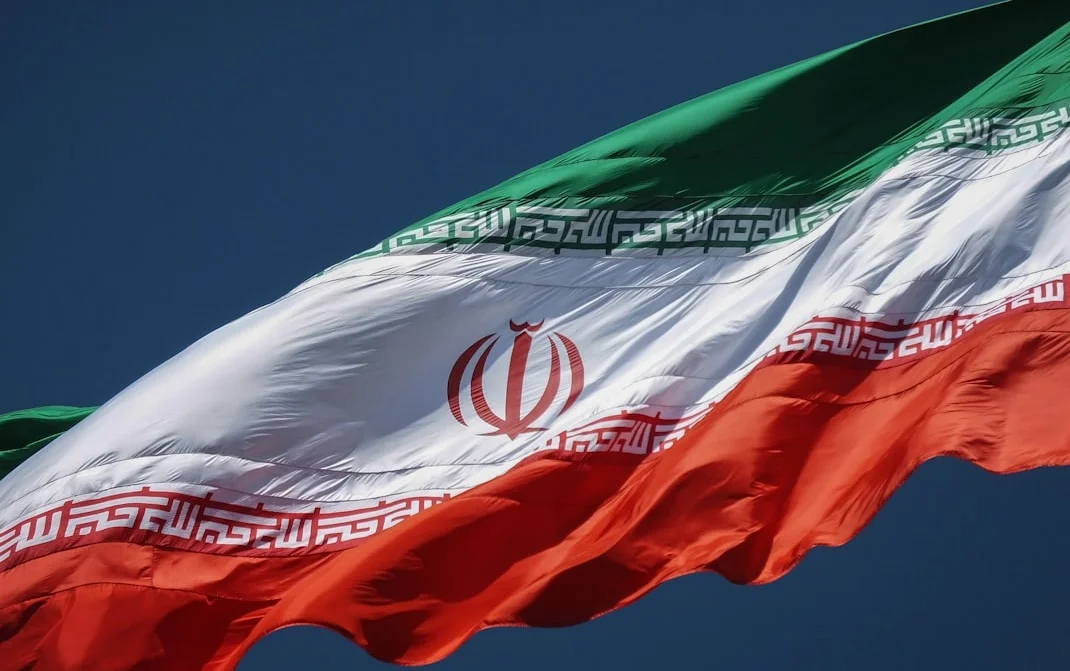
Iran’s foreign ministry spokesman, Esmail Baqai, confirmed that agreement has been reached on a “large portion of the issues under discussion.” However, he cautioned that “to say that this means the signing of an agreement is imminent—no-one can make such a claim.”
Meanwhile, US Secretary of State Marco Rubio said in Delhi, India, that “we’re still a work in progress. As I said, we thought we might have some news last night. Maybe today.” He added that Pakistan is expected to mediate further discussions, with Iranian officials reviewing Washington’s latest proposal.
Market Reactions and Analyst Predictions
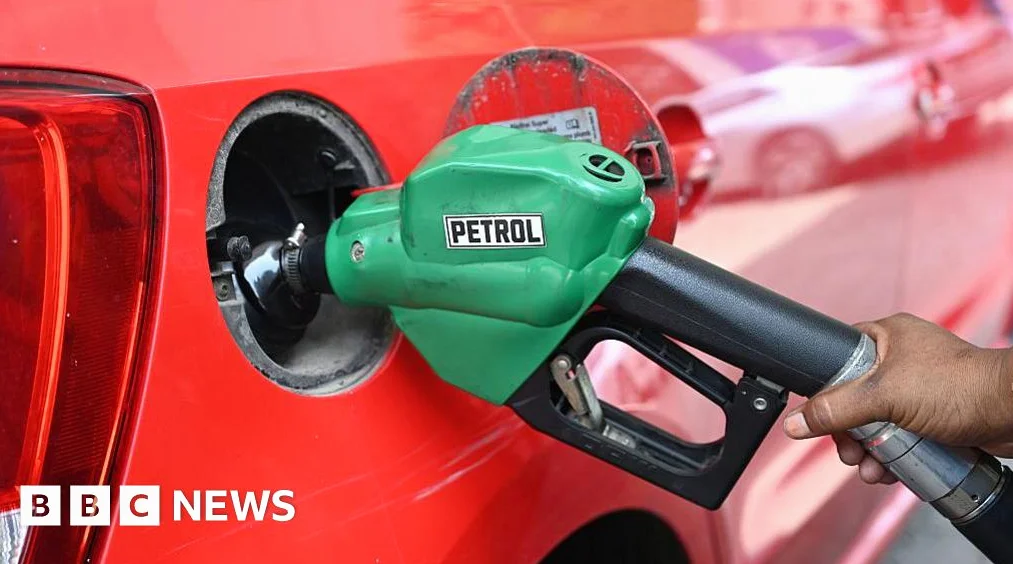
Global crude oil prices fell to a two-week low on the back of these developments. According to data from TradingView, June WTI crude oil dropped -7.13 (-6.97%), and gasoline prices slid to a one-week low. The optimism over a potential peace deal contributed to this decline, alongside a bearish EIA inventory report.
June Goh, an oil market analyst at Sparta in Singapore, told Al Jazeera that while there is no fundamental change to the current situation—where about 10-11 million barrels per day of crude remain blocked,markets are expecting a “gush of 100 million barrels of crude oil from the stranded ships” once a deal is in place. However, Goh cautioned that it could take three to six months to return to the status quo.
Oil prices have been volatile since the start of the conflict in late February, when Iran threatened to attack ships using the Strait of Hormuz. The US imposed its own blockade of Iranian ports in mid-April, further disrupting commercial shipping. Trump said the US blockade would remain “in full force and effect until an agreement is reached, certified, and signed.”
Broader Economic and Geopolitical Impacts
The Strait of Hormuz handles about a fifth of the world’s oil and liquefied natural gas, and its closure has raised concerns about global energy security. China’s top diplomat, Foreign Minister Wang Yi, called for the swift reopening of the strait during a meeting in Beijing with Iranian counterpart Abbas Araghchi.
Iranian Supreme Leader Mojtaba Khamenei highlighted that uranium enrichment and control over the Strait of Hormuz remain major sticking points in the negotiations. In the meantime, the ongoing energy disruption is seen as a potential factor in higher US inflation, prompting the Federal Reserve to reconsider interest rate policy. The Fed’s April meeting minutes indicated that policymakers are open to raising rates if inflation remains stubbornly high.
The Canadian Dollar (CAD), a commodity-linked currency, weakened as oil prices declined. USD/CAD rose for the fourth consecutive day, trading around 1.3790 during Asian hours. In gold markets, prices for gold (XAU/USD) struggled to recover after a recent dip, as traders awaited further developments in the Middle East and the Fed’s monetary policy outlook.





Comments
No comments yet
Be the first to share your thoughts