

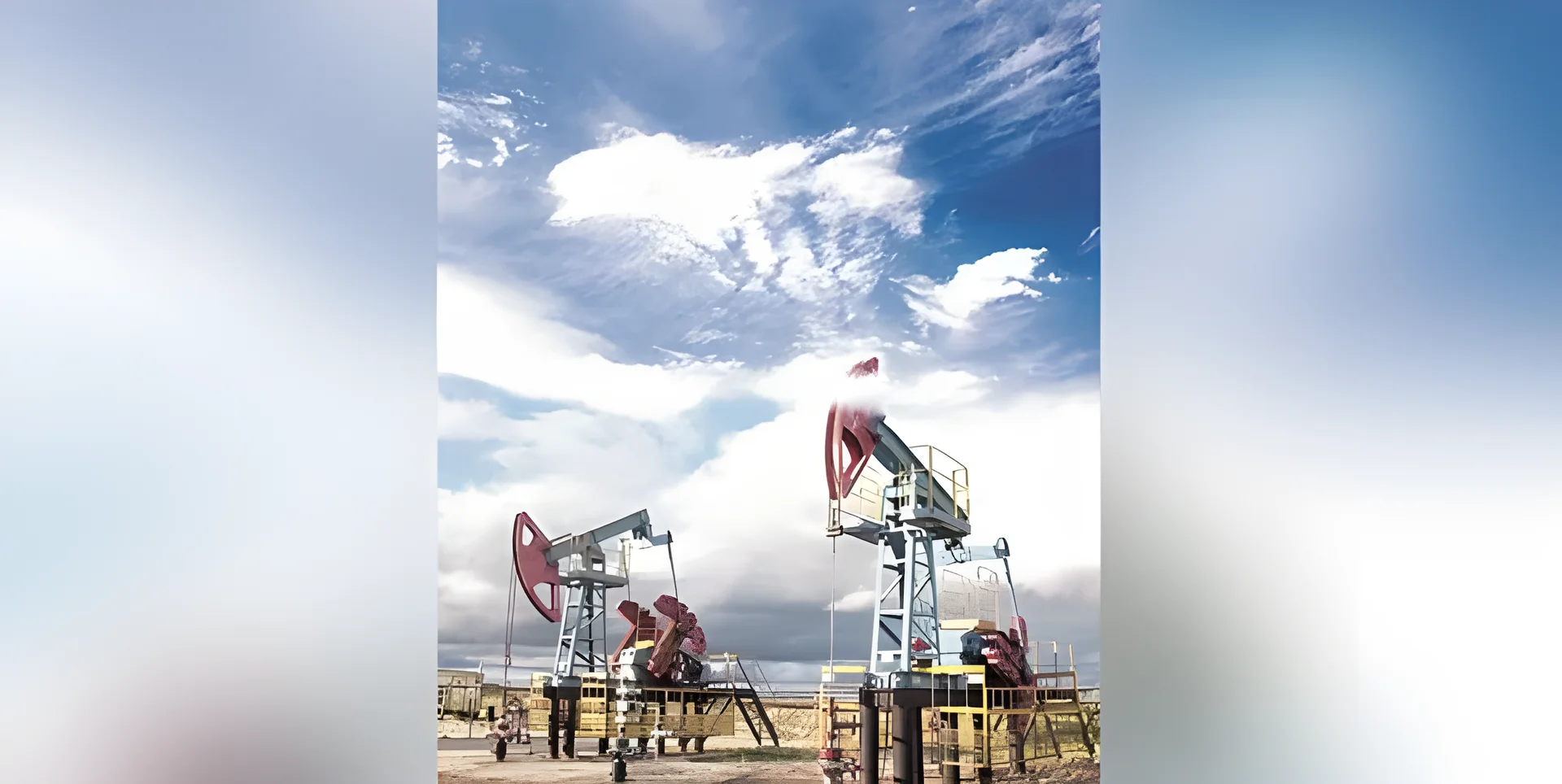
OPEC+ has agreed in principle to raise its oil output by 206,000 barrels per day, despite ongoing disruptions to Middle East shipments caused by Iran’s closure of the Strait of Hormuz. The decision, announced by five OPEC+ sources, comes amid heightened tensions between the U.S., Israel, and Iran following recent strikes and retaliatory actions.
Impact on Global Oil Markets
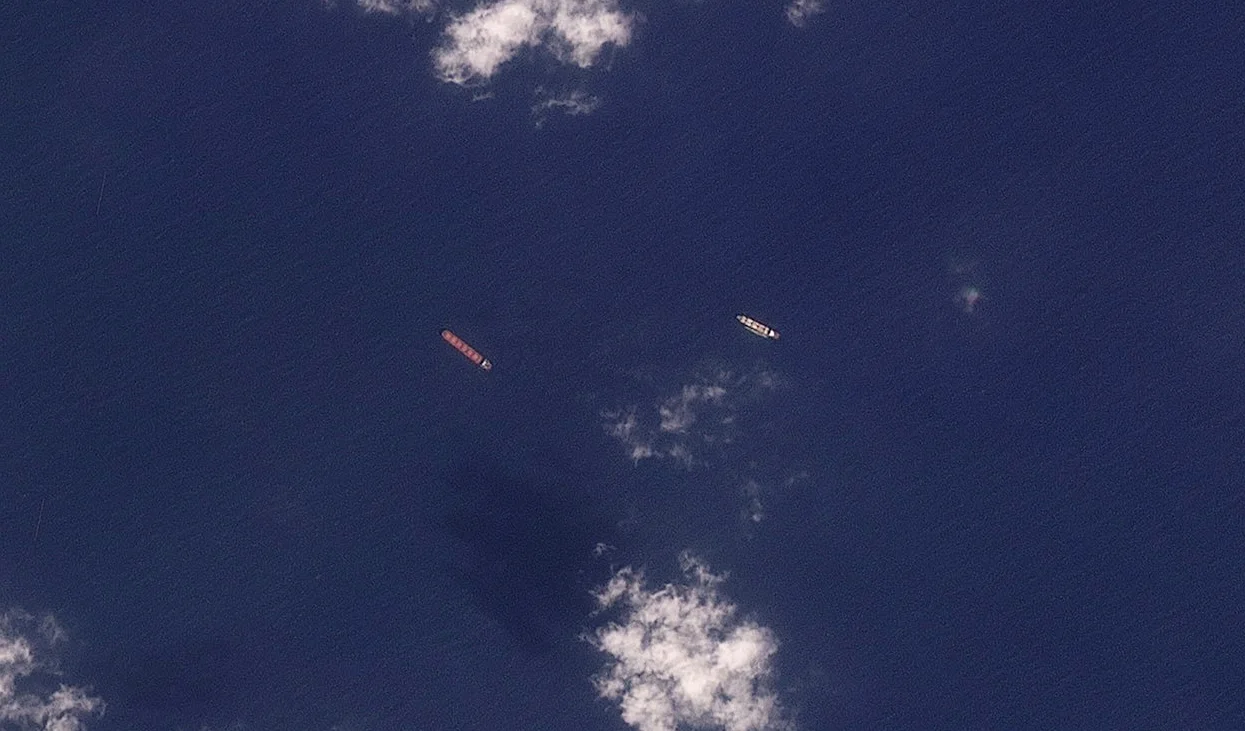
Oil prices surged to $73 per barrel on Friday, the highest level since July, driven by fears of a broader Middle East conflict and supply disruptions through Hormuz, a critical oil transit route. The strait carries over 20% of global oil shipments, and its closure has already led to the suspension of all oil, gas, and other shipments since Saturday.
Analysts warn that a full-scale conflict in the region could push oil prices to over $100 per barrel. Helima Croft, a veteran OPEC analyst from RBC, said the market impact of any large OPEC output increase will be limited due to a lack of actual production capabilities outside Saudi Arabia.
Challenges in Increasing Supply
OPEC+ has a history of raising oil output to cushion supply shocks, but current spare capacity is limited. Only Saudi Arabia and the United Arab Emirates are in a position to significantly increase production, though both are struggling to export oil until navigation in the Gulf returns to normal.
Riyadh has been ramping up oil production and exports in recent weeks in anticipation of U.S. strikes on Iran, sources told Reuters. However, the group’s ability to mitigate supply disruptions is constrained by the lack of capacity among other members.
The OPEC+ meeting on Sunday involved only eight members—Saudi Arabia, Russia, the UAE, Kazakhstan, Kuwait, Iraq, Algeria, and Oman. Most production changes in recent years have been managed by these eight nations, as the broader OPEC+ alliance includes additional members with less influence on output decisions.
The eight members had previously raised production quotas by about 2.9 million barrels per day from April through December 2025, roughly 3% of global demand. However, increases were paused for January to March 2026 due to seasonal demand weakness.
Regional Tensions and Future Outlook
Iran’s closure of the Strait of Hormuz has not only disrupted shipments but also raised concerns about the stability of global energy markets. The situation has sparked fears of economic repercussions, particularly for countries heavily reliant on oil imports, such as India.
Analysts from Barclays have also warned that oil prices could rise to $100 per barrel if the conflict escalates. The impact of the current crisis on trade routes and shipping is already being felt, with reports of flight cancellations and increased booking cancellations in India due to the West Asia crisis.
With the U.S. and Israel continuing to pressure Iran, the risk of further escalations remains high. The situation in Tehran, where the killing of Supreme Leader Ayatollah Khamenei has triggered unrest and retaliatory strikes, adds to the complexity of the region’s geopolitical landscape.
The future of oil prices and global supply chains will depend heavily on how the situation in the Middle East evolves. OPEC+ will need to monitor developments closely and may be forced to make further adjustments to its production strategy if the crisis persists.



Comments
No comments yet
Be the first to share your thoughts