

 Al Jazeera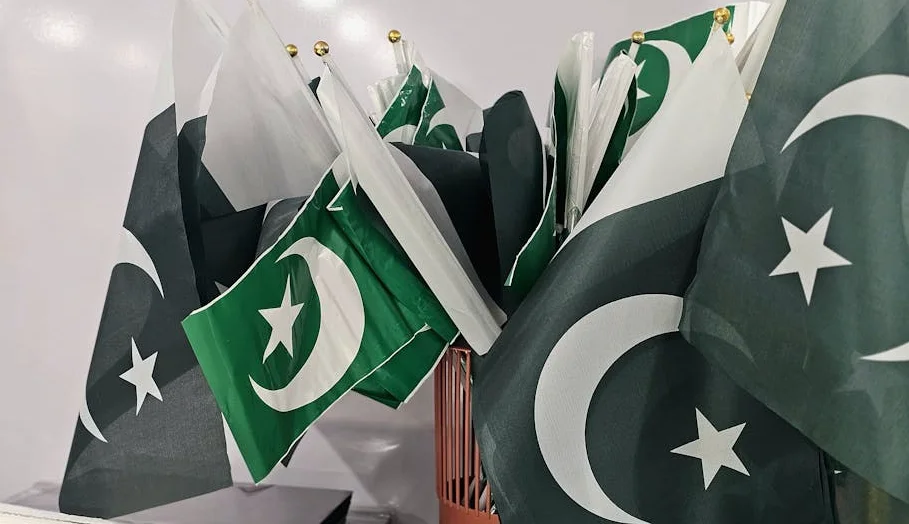
Pakistan played a key role in brokering a two-week ceasefire between the United States and Iran, according to Al Jazeera, as tensions over the Middle East conflict eased temporarily. The announcement came just under 90 minutes before U.S. President Donald Trump’s deadline to take military action against Iran, according to the source.
Pakistan’s Diplomatic Efforts
Trump stated he had agreed to the ceasefire after conversations with Pakistani Prime Minister Shehbaz Sharif and Field Marshal Asim Munir, according to the report. He said they had requested he hold off on sending destructive forces to Iran. Iranian Foreign Minister Abbas Araghchi confirmed the ceasefire on X, giving the world a chance to breathe again.
Araghchi expressed gratitude for Pakistan’s efforts, stating that Iran had accepted the ceasefire in response to the “brotherly request” of Prime Minister Sharif. He praised Pakistan’s leadership in bringing the two nations back to the negotiating table.
Sharif, who had publicly called for a ceasefire shortly before, announced the agreement with “the greatest humility,” stating the ceasefire would be effective immediately and included Lebanon and other regions. He invited both delegations to Islamabad for further negotiations on Friday.
Regional Implications and Challenges
Despite the ceasefire, several questions remain. Trump claimed Iran would allow unimpeded transit through the Strait of Hormuz, while Araghchi said passage would need to be under the auspices of Iran’s armed forces. Other key differences emerged, such as whether Lebanon was included in the ceasefire and whether the U.S. would allow Iran to pursue uranium enrichment.
However, both sides acknowledged Pakistan’s central role in the mediation. The war, which began on February 28 with coordinated strikes by the U.S. and Israel that killed Supreme Leader Ali Khamenei and struck Iran’s military and nuclear infrastructure, has killed more than 2,000 people in Iran in five weeks, disrupted roughly a fifth of the world’s oil supplies, and threatened to draw in regional powers.
Pakistan’s diplomatic engagement began almost immediately after the first U.S.-Israeli attacks. Foreign Minister Ishaq Dar, who was in Saudi Arabia, conveyed solidarity to Iran. Pakistan’s Ministry of Foreign Affairs issued a statement within hours, and Dar called Araghchi to express support.
At home, Pakistan faced rising tensions. Protests erupted in Karachi, where demonstrators attempted to storm the U.S. consulate on March 1, leaving at least 10 people dead. Pakistan’s Shia Muslim population, estimated at 15 to 20 percent of the country’s roughly 250 million people, was closely watching the situation as sectarian tensions rose.
A Delicate Balancing Act
Pakistan had to maintain its mutual defense pact with Saudi Arabia, signed in September, without being drawn into a direct confrontation with Iran, its southwesterly neighbor with which it shares a nearly 1,000km (620-mile) border. Pakistan’s early condemnation of the U.S.-Israeli strikes proved central, according to experts, as it helped win over the Iranians and establish Pakistan as a global peacemaker.
On March 12, Sharif traveled to Jeddah with Munir to meet Saudi Crown Prince Mohammed bin Salman, expressing “full solidarity” while urging restraint against mounting Iranian attacks against Gulf countries. The delicate balancing act involved maintaining regional alliances while managing internal pressures from rising fuel costs and concerns over remittances from workers in Gulf states.
On March 18, Israeli jets struck South Pars, the world’s largest natural gas field, which Iran shares with Qatar and accounts for roughly 70 percent of Iran’s domestic gas production. The attack triggered a new wave of Iranian retaliation on Gulf energy infrastructure, sending oil and gas prices soaring.
Against this backdrop, Dar arrived in Riyadh for a meeting of 12 foreign ministers convened by Saudi Arabia. The gathering produced a joint statement condemning Israeli actions. Turkey and Pakistan resisted harsher language that could have undermined Islamabad’s credibility with Tehran, according to officials aware of the deliberations in Riyadh.
A quadrilateral mechanism also took shape, bringing together Pakistan, Saudi Arabia, Turkey, and Egypt. This format emerged partly from divisions within Gulf diplomacy, where some countries were increasingly losing patience with Iran’s attacks, while others still pushed for de-escalation. Pakistan’s ties with both sides made it a natural choice for a mediator, according to experts.






Comments
No comments yet
Be the first to share your thoughts