

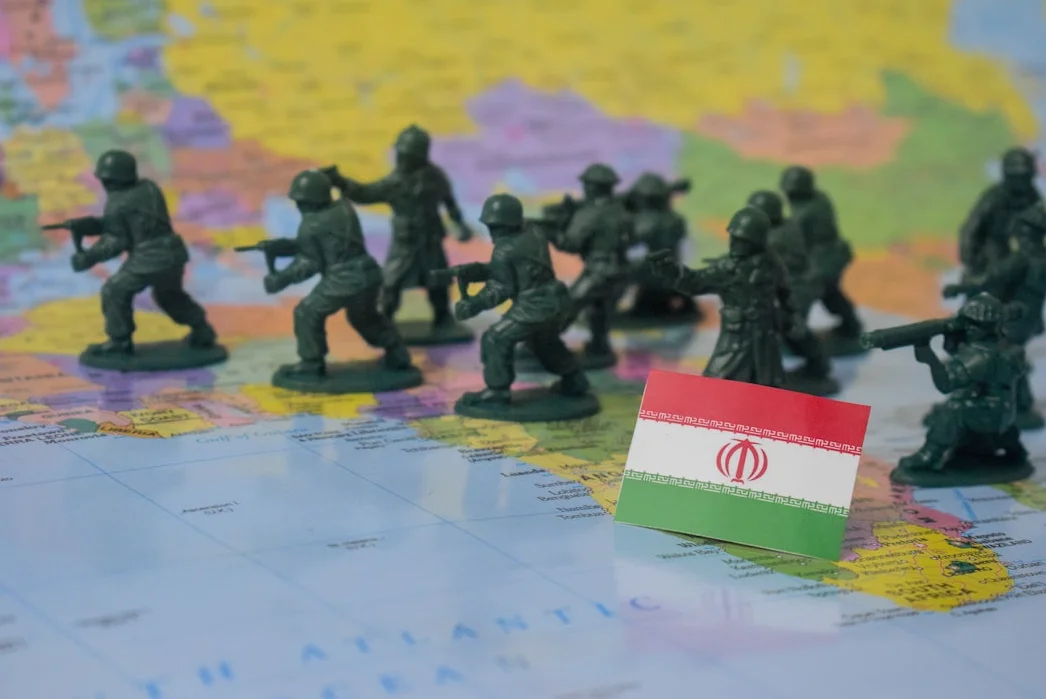
According to JoongAng Ilbo, U.S. President Donald Trump proposed a two-week ceasefire on the condition that Iran open the Strait of Hormuz, a move that reportedly gained support from Iran after last-minute Chinese intervention, as reported by the New York Times.
Regional Tensions and Economic Implications
The agreement comes amid growing regional tensions, with Gulf Cooperation Council (GCC) nations and Jordan pledging to prioritize oil supplies to South Korea. According to JoongAng Ilbo. Representatives from six GCC countries and Jordan, including Saudi Arabia, the United Arab Emirates, Kuwait, Qatar, Oman, and Bahrain, expressed their commitment to ensuring a steady supply of Middle Eastern oil to South Korea.
Separately, South Korea’s government has been working to secure the safe passage of 26 Korean ships currently stuck in the Strait of Hormuz. According to JoongAng Ilbo. The government has begun communicating with relevant countries to ensure the swift passage of these vessels, following the reported ceasefire agreement between the U.S. and Iran.
Domestic Labor Disputes and Corporate Moves
Meanwhile, in South Korea, labor disputes have taken center stage, and the Korean Labor Commission ruled that the parent company, POSCO, is responsible for the employment of approximately 7,000 subcontracted workers. According to JoongAng Ilbo. The labor commission recognized the parent company’s status as the employer and decided to separate the negotiation units of subcontracted workers.
However, the POSCO Labor Union criticized the company’s decision to directly employ these workers without following proper procedures. According to the union, the move was unilaterally made without forming a consensus with the workers, despite being framed as a business decision to enhance competitiveness.
Global Market Reactions and Economic Shifts
The potential ceasefire between the U.S. and Iran has had immediate effects on global markets. According to TradingView, gold prices surged by 2% as the ceasefire eased fears of rising inflation. The stability in the Middle East has also influenced oil prices, with CMC Markets reporting a decline in oil prices following the news.
Meanwhile, the DAX index experienced a surge as traders anticipated a more stable geopolitical environment. According to CMC Markets, the ceasefire has reduced uncertainty in the energy sector, leading to a shift in investment strategies among traders and investors worldwide.
Despite the reported ceasefire, the situation in the Strait of Hormuz remains fluid. The Korean government continues to coordinate with international partners to ensure the safe passage of its ships, highlighting the ongoing challenges posed by regional instability.
As the global community watches the unfolding developments, the economic and geopolitical implications of the U.S.-Iran ceasefire agreement continue to ripple across markets and international relations.






Comments
No comments yet
Be the first to share your thoughts