

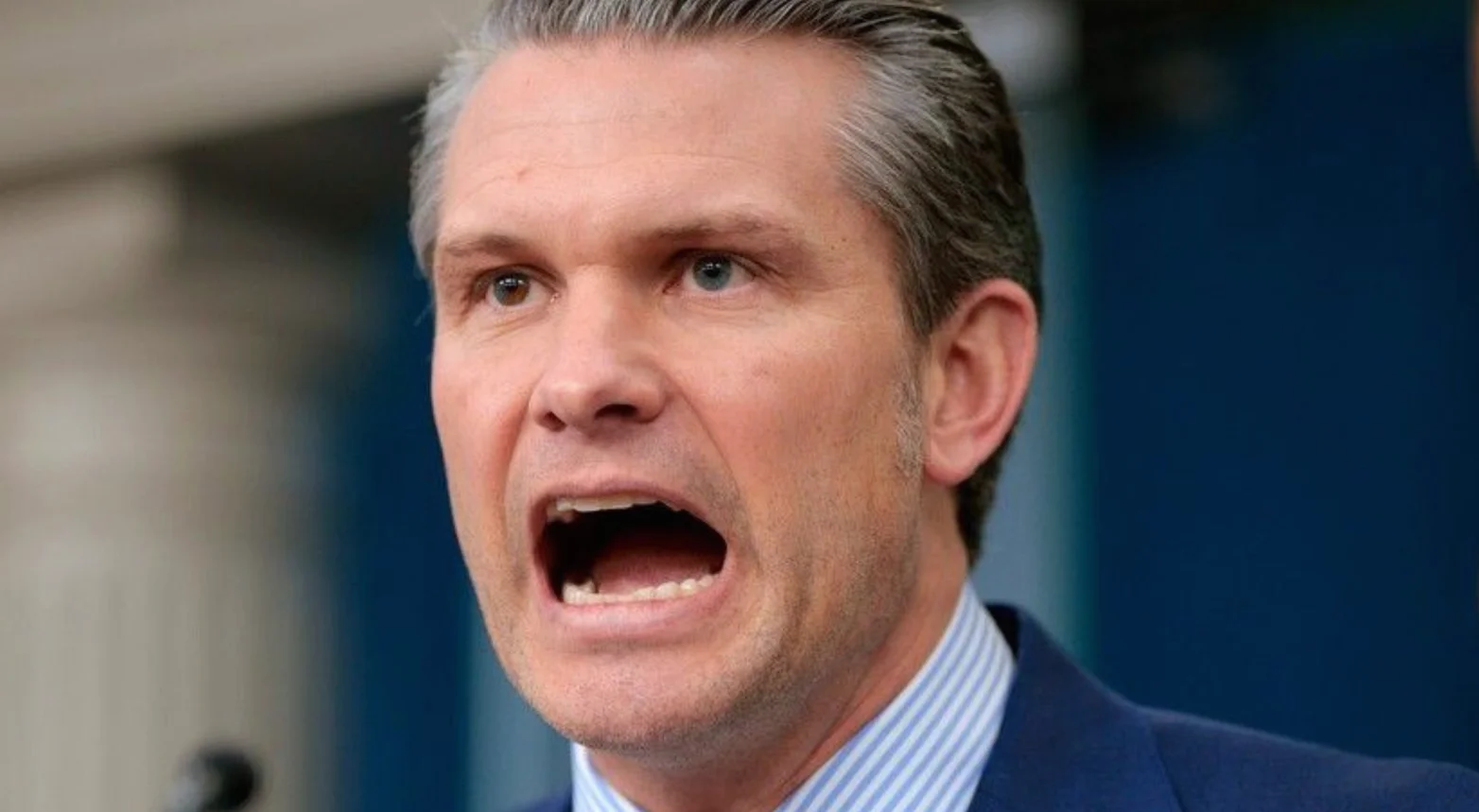
The Pentagon’s decision to exclude press photographers from recent Defense Department briefings has ignited a debate over transparency and media access, following internal dissatisfaction with images of Defense Secretary Pete Hegseth. The move, which marks a significant departure from longstanding practices, has raised concerns about the role of independent photojournalists in documenting high-profile military and defense events.
Controversy Over Unflattering Images
The controversy began on 2 March 2026, during a Pentagon press briefing where Hegseth appeared alongside Chairman of the Joint Chiefs of Staff Gen. Dan Caine to discuss U.S. military operations involving Iran. Photographers from major international wire services, including the Associated Press, Reuters, and Getty Images, attended the event and captured standard press images of Hegseth speaking at the podium.
According to sources familiar with the internal discussions, members of Hegseth’s staff reportedly expressed dissatisfaction with how the defense secretary appeared in the photographs. Some images showed Hegseth with a furrowed brow and holding his hands out as he responded to a reporter’s question. The specific images in question were not publicly identified, but the staff’s concerns reportedly led to a decision to restrict press access to subsequent briefings.
Photographers attempting to attend briefings on 4 March and 10 March were denied entry, with only Pentagon-credentialed photographers allowed into the briefing room. Pentagon press secretary Kingsley Wilson cited logistical reasons, including the need to manage space effectively, for the change in policy. However, the exclusion of independent photographers has been interpreted by many as a response to the unflattering images.
Impact on Media Access and Transparency
The shift in policy has raised concerns among media scholars and press-freedom advocates, who argue that relying solely on official photographs could limit editorial independence and reduce the range of visual documentation available to the public. Wire-service photographs have historically been a critical source of visual documentation for defense briefings, especially those involving senior officials.
According to Wilson, official photographs from the briefings will still be made available to the public and press. However, the move marks a departure from previous practice, in which independent photojournalists documented high-profile defense briefings alongside television crews and reporters. The Pentagon has not indicated whether the restriction on photographers is temporary or will apply to future briefings involving the defense secretary.
Photojournalists play a vital role in capturing the nuances of public statements and the demeanor of officials, which can be critical in conveying the full context of a situation. The exclusion of independent photographers means that images released by the department itself may now become the primary visual documentation of those events, potentially influencing public perception in ways that are not fully transparent.
Broader Context of Press-Freedom Concerns
The dispute over media access comes at a time of heightened tensions between the Pentagon and the press corps covering U.S. defense policy. In late 2025, several major news outlets withdrew their on-site Pentagon reporting positions after the department introduced new media rules that restricted journalists’ interactions with defense personnel and limited how information could be obtained.
These changes led to the replacement of the original press corps with a newly structured group that agreed to the revised access rules, many of whom work for media organizations supportive of President Donald Trump’s administration. Legal challenges have also emerged, with a federal judge questioning whether the restrictions on reporters could violate constitutional protections related to free speech and press freedom.
Judge Paul Friedman of the U.S. District Court in Washington expressed concern during a hearing that the rules gave defense officials broad discretion to revoke journalists’ credentials or label them as security risks. The litigation remains unresolved, highlighting the ongoing legal and ethical challenges surrounding media access and government transparency.
Additionally, the Pentagon has not issued passes to media outlets that refused to sign a new contract last year, with dozens of major outlets rejecting the strict terms. However, a special arrangement has been made to allow reporters from certain outlets to attend briefings despite the contract dispute, particularly in light of the ongoing Iran conflict.
The Washington Post reported that White House spokeswoman Anna Kelly declined to comment on Hegseth and his aides’ decision to block photographers. Kelly took to social media, calling Post journalist Scott Nover a ‘fake news reporter,’ though she did not directly address the allegations.
The controversy highlights the growing friction between the Pentagon and the press corps covering U.S. defense policy at a time of heightened military tensions and intense global scrutiny. The exclusion of independent photographers from official briefings may have far-reaching implications for the media’s ability to provide a thorough and unbiased account of defense operations and policy decisions.
As the situation develops, the Pentagon has not indicated whether the restrictions on photographers will be temporary or permanent. The implications of this policy shift could extend beyond the current briefings, affecting how future defense events are documented and reported by the media.






Comments
No comments yet
Be the first to share your thoughts