

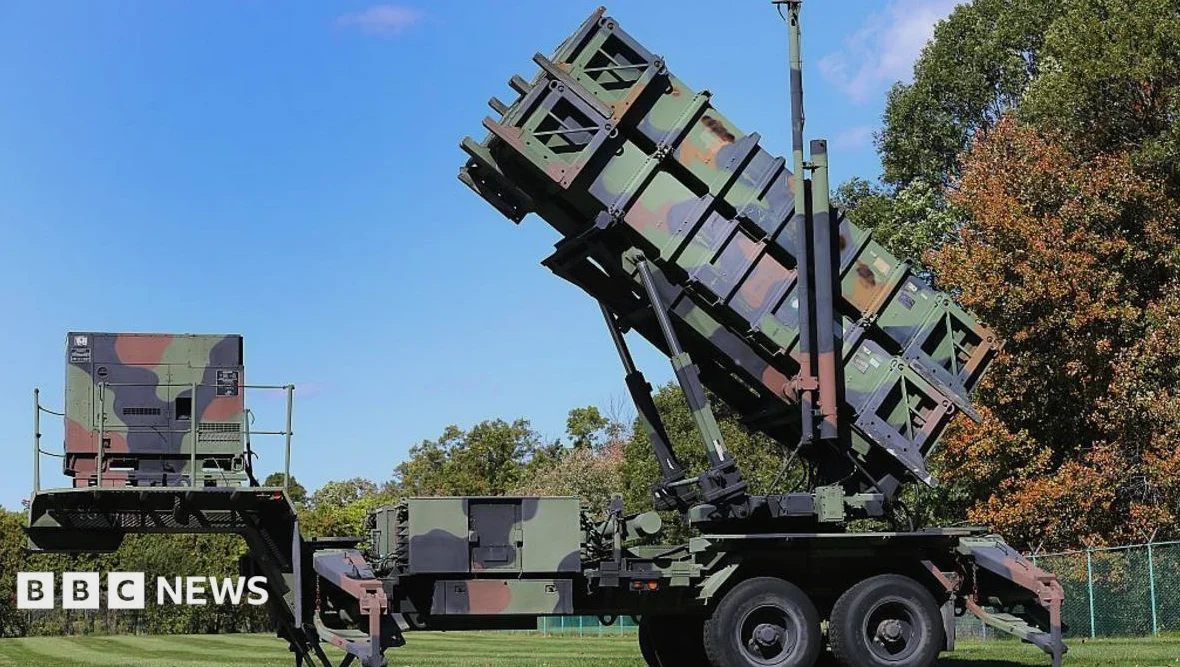
The U.S. war with Iran has created strategic inventory shortfalls and bottlenecks in the supply chain, according to a report from the Pentagon’s inspector general. The report, released Monday, is the first public accounting of the war’s impact on U.S. military resources and operations. It covers the period from the start of hostilities on February 28 through June 30.
$22.3 Billion Spent on Munitions
According to the report, the war, officially named Operation Epic Fury (OEF), had an estimated cost of $33.4 billion between February 28 and June 30. Of that amount, $22.3 billion was spent on munitions alone. The report states, “The munitions expenditure on OEF has resulted in strategic inventory shortfalls and revealed industrial base bottlenecks for munitions resupply.”
The report also details military assets lost during the conflict, including four F-15s destroyed, one F-35 damaged, seven KC-135 tanker aircraft damaged, and up to 30 MQ-9 Reaper drones destroyed. The Defense Department’s inspector general said the Pentagon is working to cut procurement processes and stockpile critical materials and components to respond to potential contingencies.
Trump Disputes Shortfall Reports
President Donald Trump has repeatedly denied concerns about depleted weapon supplies, claiming that the U.S. has “virtually unlimited amounts of Mid to High Grade Ammunition” and that the country is “producing more Exquisite and Elite Weapons than at any time in our History.” Two weeks ago, Trump posted on Truth Social, saying that the U.S. is “stockpiling and preparing for any contingency that could happen.”
Defense Secretary Pete Hegseth has also denied reports of a munitions shortfall. However, experts have raised concerns about the long-term sustainability of U.S. military readiness. Mark Cancian of the Center for Strategic and International Studies noted that while the U.S. has enough munitions for a war against Iran, the situation could become a challenge in a prolonged conflict with China. “We might be able to provide enough munitions for a month, but getting on to month two or month three or four, that’s a great challenge,” he said.
Impact on U.S. Military and Troop Morale
The report highlights the broader impact of the war on the U.S. military, including low morale among troops deployed to the Middle East and extensive damage to American military and intelligence assets in the region. It also provides one of the first government confirmations that Iran targeted the U.S. Navy’s main logistics hub in Bahrain with drones and ballistic missiles.
The Pentagon did not immediately respond to a request for comment on the report. The findings mark a rare moment of transparency in a conflict that has been largely shrouded in secrecy and political statements. As the U.S. continues to manage the logistical and strategic challenges of the war with Iran, the report raises questions about the sustainability of U.S. military operations in the long term.





Comments
No comments yet
Be the first to share your thoughts