

 ABC News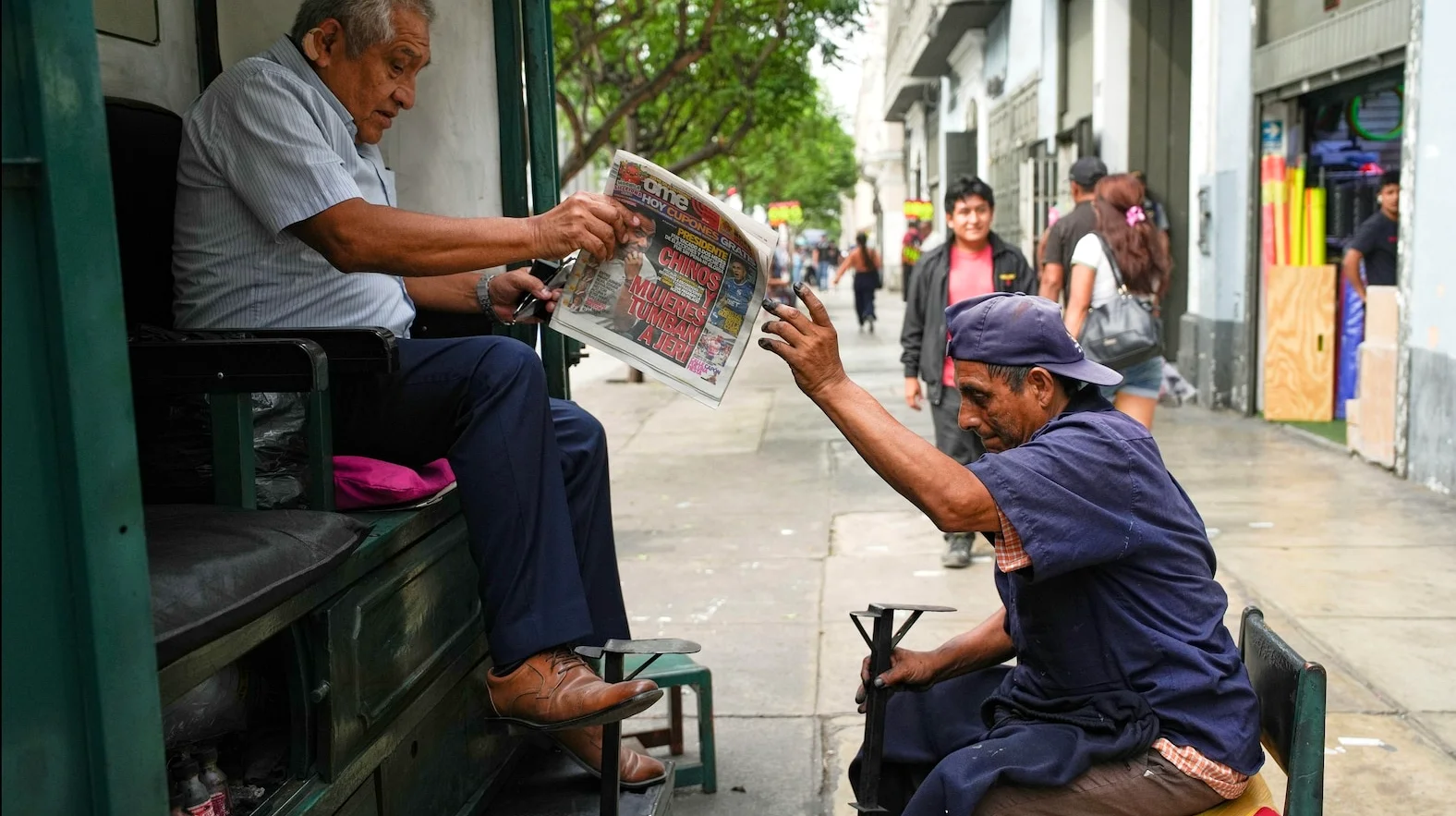
Peru’s lawmakers removed interim President Alberto Otárola Jerí in a 73-32 vote Tuesday, capping four months of controversy that began with reports of his secret meetings with Chinese business owners. Prosecutors opened two preliminary probes into Jerí over claims of illegal sponsorship of private interests and influence-peddling that harmed the state. Jerí called the meetings routine coordination for a Peruvian-Chinese festival.
Four candidates registered for the Wednesday night election in Congress. The post carries heavy weight amid a spike in murders and extortion racking small businesses and workers. Political factions also press for safeguards ahead of the April vote, which will install a new bicameral Congress with 130 lawmakers and 60 senators.
Conservative Popular Action party nominated María del Carmen Alva, a 58-year-old lawyer and former Congress speaker. Her family owns major stakes in asparagus export firms that ship to the United States and other markets. Supporters view her experience as a steady hand for the crisis.
Héctor Acuña, 68, an engineer with private-sector roots, represents the conservative Honor and Democracy bloc. Political observers peg him as less seasoned than Alva, though his brother César Acuña leads Alliance for Progress. That party backed ex-presidents Dina Boluarte and Jerí, and César eyes the April 12 presidential run.
The field rounds out with José Balcázar, 83, a former judge from leftist Perú Libre, and Edgard Reymundo, 73, a sociologist with Bloque Democrático.
Support levels stayed murky Tuesday evening, according to congressional officials. The vote comes against Peru’s pattern of rapid presidential turnovers. Lawmakers have leaned on a constitutional clause for “permanent moral incapacity” to boot leaders lacking legislative majorities. Jerí’s fall marks the latest in a string of ousters fueling the South American nation’s instability.
Security demands top the interim leader’s agenda. Extortion gangs have hammered vendors and laborers in cities like Lima. Business groups report daily threats, with murders up sharply since last year. Officials blame fractured governance for weak policing.
The April election looms large. Voters will pick a president plus lawmakers to break legislative gridlock. Conservative and leftist blocs jockey for position, testing alliances forged under Boluarte and Jerí. Popular Action pushes Alva as a bridge to stability; leftists like Perú Libre seek to capitalize on public anger.
Jerí’s exit stemmed from disclosures in local media about his off-books talks with Chinese contractors, including a state firm. He denied wrongdoing in a brief address before Congress acted. Prosecutors moved fast, citing potential state harm from undue influence.
Congress schedules the vote for late Wednesday. The candidate with most votes takes office immediately. Power shifts July 28 to the general election winner, who must handle the same polarized assembly.



Comments
No comments yet
Be the first to share your thoughts