

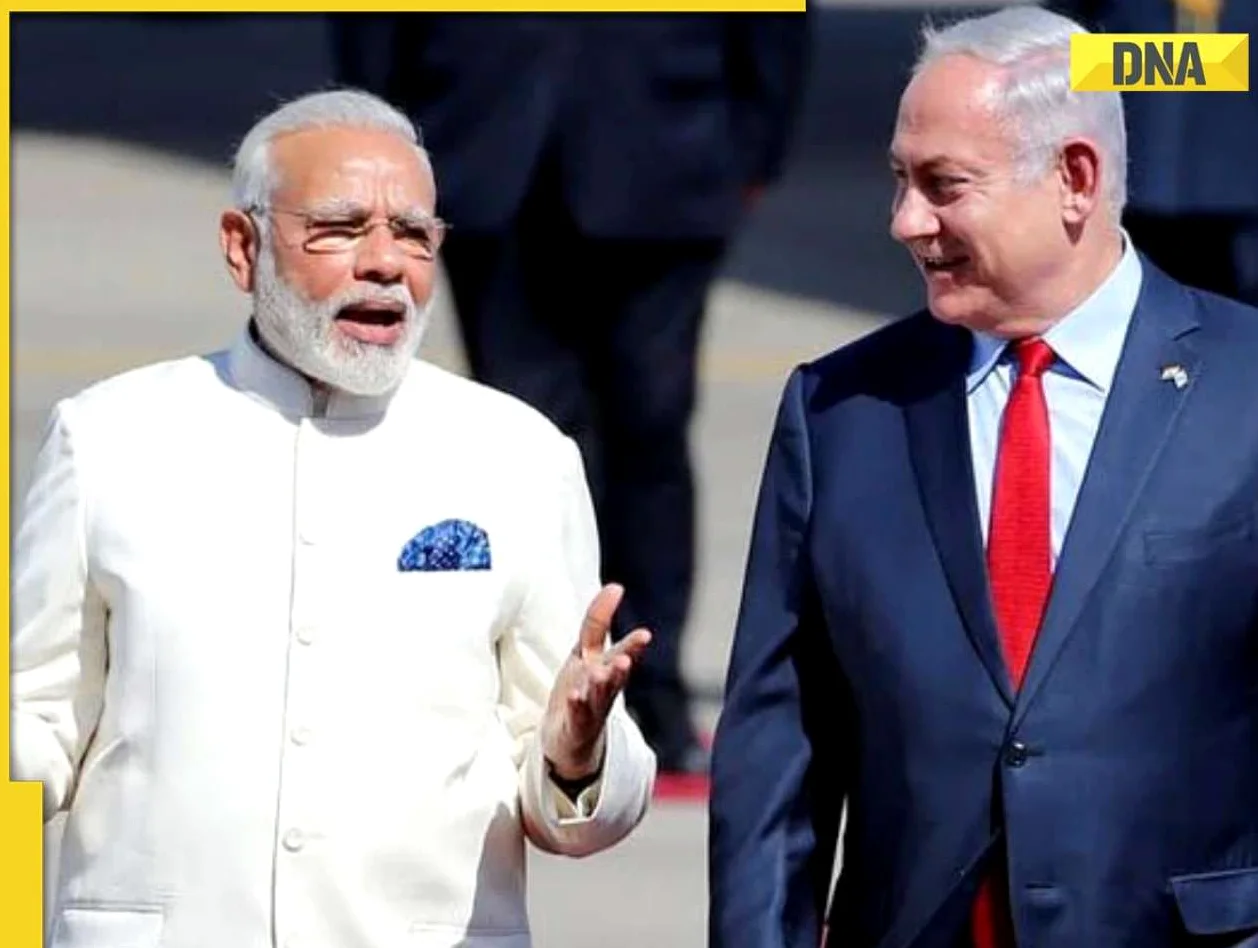
Prime Minister Narendra Modi held a telephonic conversation with Israeli Prime Minister Benjamin Netanyahu on Wednesday, amid rising tensions in the Middle East. The call came after a joint US-Israel strike on February 28, which reportedly killed Iran’s Supreme Leader, Ayatollah Ali Khamenei, along with several family members. The incident has sparked regional volatility and raised concerns about the safety of civilians.
India’s Stance on the Conflict
In a series of posts on X, the Prime Minister conveyed India’s concerns regarding the recent developments in the Middle East. He emphasized the need for an early cessation of hostilities and reiterated the importance of safeguarding civilian lives.
“Had a telephone call with PM Benjamin Netanyahu to discuss the current regional situation. Conveyed India’s concerns over recent developments and emphasized the safety of civilians as a priority. India reiterates the need for an early cessation of hostilities,” Modi wrote.
In a follow-up message, he added, “I spoke by phone with Prime Minister Benjamin Netanyahu to discuss the current regional situation. I expressed India’s concern regarding the recent developments and emphasized that the security of citizens is the utmost priority. India reiterates the need for an early cessation of hostilities.”
Condemning Attacks on the UAE
Modi also spoke with United Arab Emirates President Sheikh Mohamed bin Zayed Al Nahyan, condemning recent attacks on the UAE and expressing condolences for the loss of lives. He reaffirmed India’s solidarity with the UAE during these challenging times.
“Spoke with President of the UAE, my brother Sheikh Mohamed bin Zayed Al Nahyan. Strongly condemned the attacks on the UAE and condoled the loss of lives in these attacks. India stands in solidarity with the UAE in these difficult times. Thanked him for taking care of the Indian community living in the UAE. We support de-escalation, regional peace, security and stability,” the PM said.
Background of the Conflict
The conversation with Netanyahu occurred amid heightened tensions following a joint missile strike titled Operation Roaring Lion/Operation Epic Fury by Israel and the United States on February 28. US President Donald Trump and Iranian state media have confirmed that Ayatollah Ali Khamenei was killed in the February 28 US-Israel strikes, alongside his daughter, grandchild, daughter-in-law, and son-in-law.
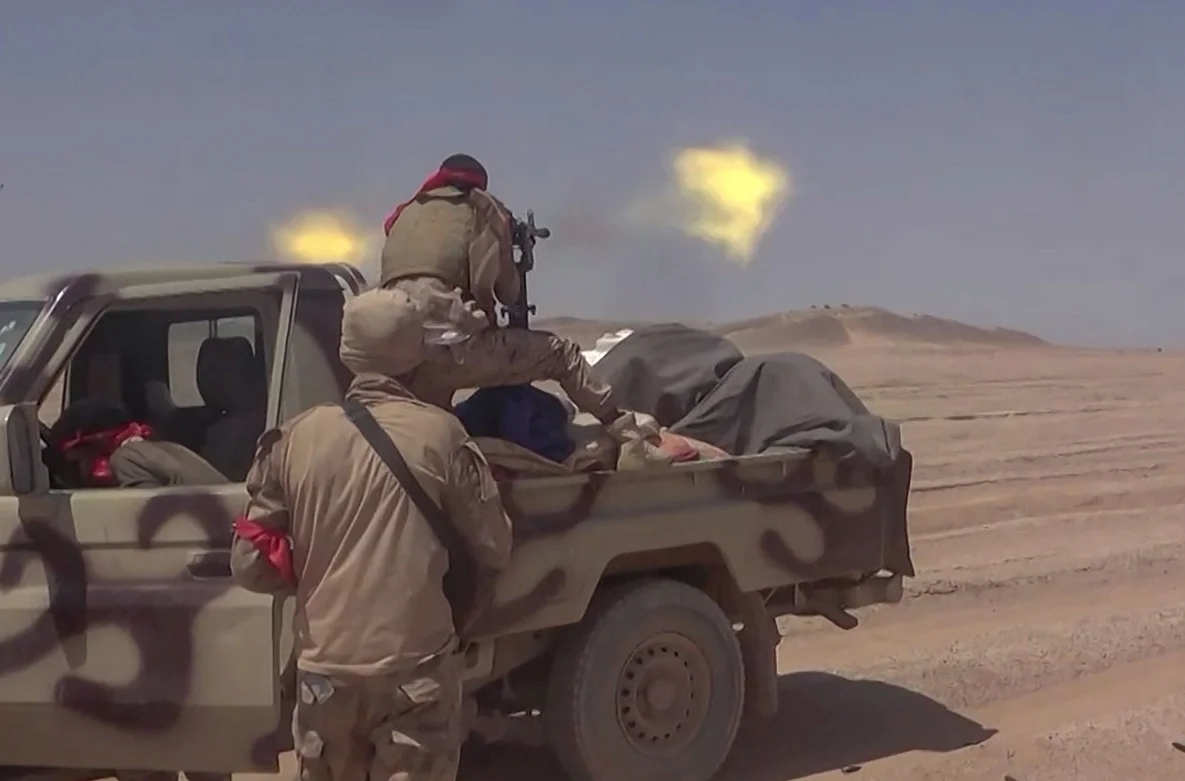
According to reports, the attacks were carried out in response to a series of rocket launches from Iran into Israel, which targeted military installations. The strikes have led to a sharp escalation in hostilities, with both sides accusing each other of provoking the conflict.
India, which has significant trade and cultural ties with both Iran and Israel, has been closely monitoring the situation. The country has a large diaspora in the UAE and is keen to ensure the safety of its citizens in the region.
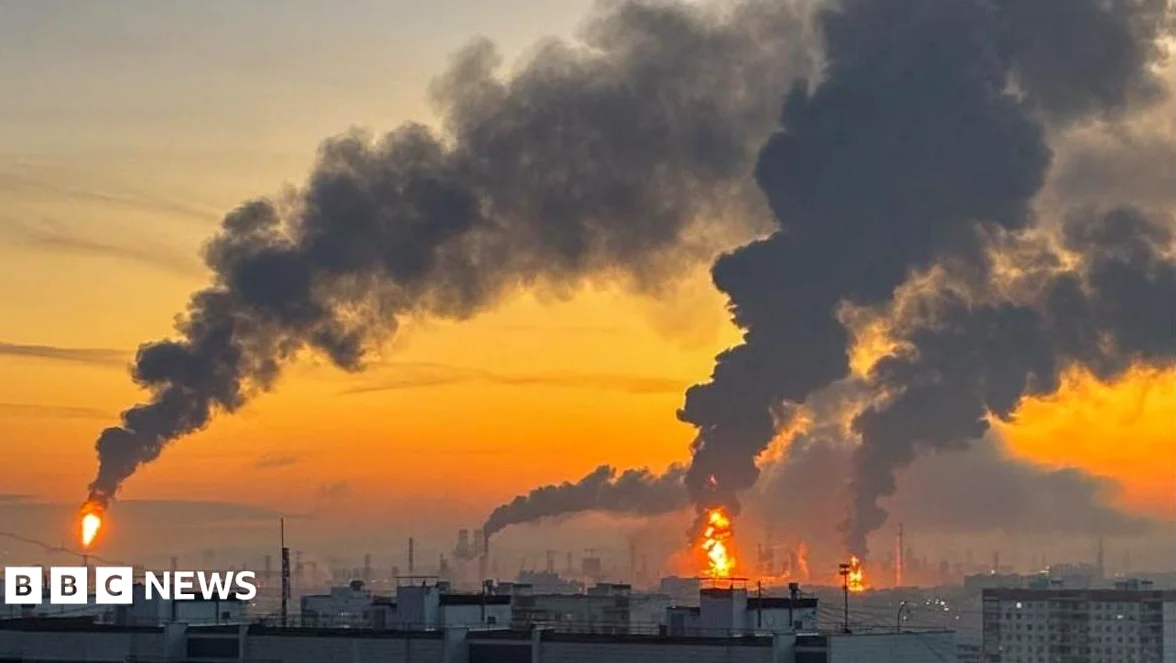
Analysts suggest that the Middle East crisis has the potential to disrupt global energy markets, as tensions between Iran and Israel could spill over into other parts of the region. The situation also raises concerns about the stability of international trade routes and the security of oil supplies.
“The loss of Ayatollah Khamenei is a significant blow to Iran, and it could lead to further internal and external instability. The international community is closely watching the developments to prevent further escalation,” said a geopolitical analyst based in New Delhi.
With the situation remaining volatile, the international community is calling for de-escalation and dialogue. The United Nations has urged all parties to exercise restraint and avoid actions that could further inflame tensions.
India’s recent diplomatic outreach to both Israel and the UAE highlights its strategic interest in maintaining stability in the region. As the conflict continues, the focus remains on preventing civilian casualties and ensuring the safety of all parties involved.




Comments
No comments yet
Be the first to share your thoughts