

Pope Leo XIV has issued a warning about the risks of artificial intelligence in his first encyclical, Magnifica Humanitas, calling for greater societal control of the technology. According to DIE ZEIT, the encyclical outlines concerns that AI could spread disinformation, escalate conflicts, and lead the world toward a path of endless wars. The text was presented in the Vatican in the presence of the Pope.
Human Dignity and Technological Risks
Leo warns of a potential dehumanization through the misuse of digital technologies and calls for broader societal oversight of AI. He describes AI as a “valuable tool that requires caution.” In the encyclical, he addresses both the pace of development and the entities that control it, noting that power lies not in the hands of states but in those of “large economic and technological actors.” This, he says, carries the risk of opacity and increases the chance of “a skewed development that generates new dependencies, exclusions, manipulations, and injustices.”
Environmental and Social Impact
Leo also highlights the environmental consequences of AI. He states that current AI systems require large amounts of energy and water, significantly impact carbon dioxide emissions, and consume substantial resources. He calls for the development of more sustainable technological solutions. In the introduction, he writes that humanity is in an “epoch-making transformation.” He notes that “the magnificent humanity created by God now faces a key choice: Either it builds a new Tower of Babel or it builds the city in which God and humanity dwell together.”
Liturgical Tensions and Ideological Readings
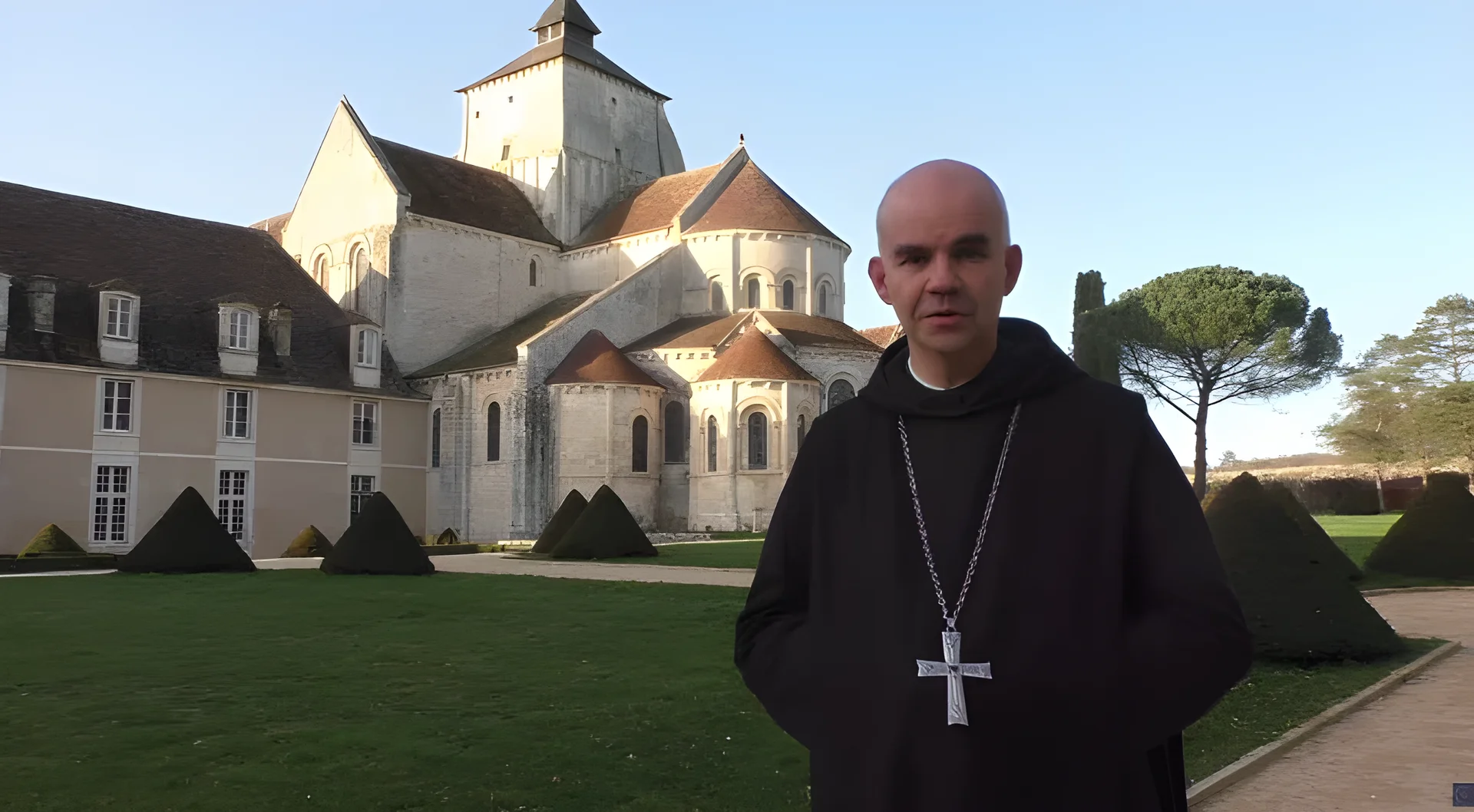
In a related but distinct development, Dom Jean Pateau, the abbot of Fontgombault, has pointed to abuses and ideological readings as root causes of the current liturgical crisis in the Church, according to infovaticana. His comments come amid calls by Pope Leo XIV for reducing confrontation around liturgy and promoting greater understanding between different sensitivities. The abbot emphasizes that the liturgy is not a “banner” and should not become an instrument of confrontation.
He notes that liturgical abuses have occurred for years in France, and there has not always been an adequate response from authorities. Combined with shortcomings in catechetical formation, this has led to distrust and alienation among some faithful. This situation, he says, has contributed to tensions, resentments, and even divisions within families and ecclesial communities.
“The liturgy is not a banner,” he stresses, arguing that when its purpose—leading to God,is lost, the liturgy becomes a field of dispute. From his monastic experience, he recalls that liturgical life is not meant to prove anything but to sustain the relationship with Christ and communion in the Church.





Comments
No comments yet
Be the first to share your thoughts