

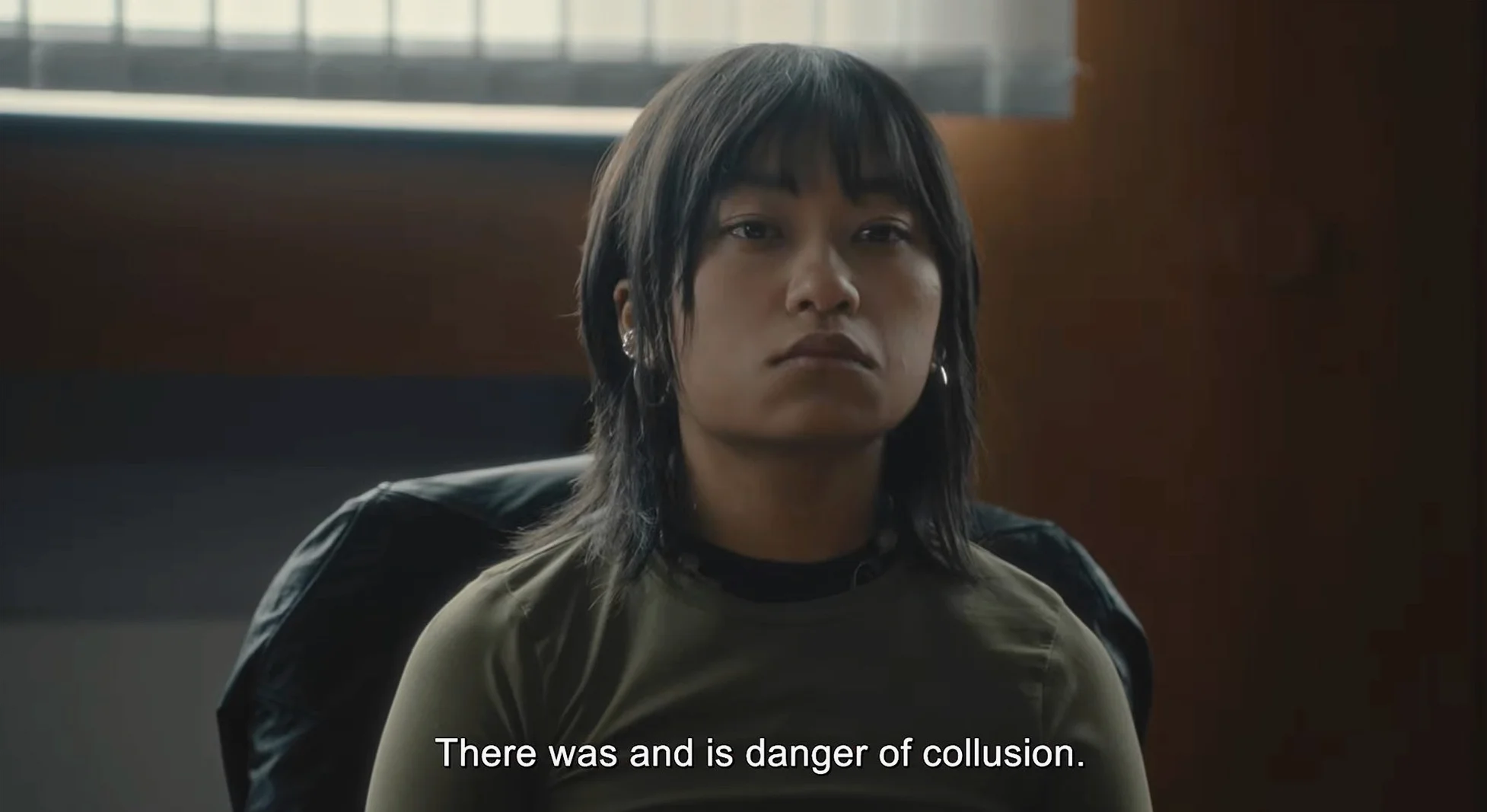
‘Prosecution’ (Staatsschutz), a German legal thriller directed by Faraz Shariat, examines the challenges faced by a young prosecutor in the context of far-right violence and a justice system that appears to prioritize neutrality but is not immune to bias. The film, which premiered at the 2026 Berlinale and won the Audience Award, presents a gripping narrative that reflects the real-world tensions surrounding institutional trust and social cohesion in Germany.
The Plot and Character Arc
The story follows Seyo Kim, a determined public prosecutor in eastern Germany who is committed to confronting far-right violence, Played by Chen Emilie Yan, Seyo becomes a target herself after surviving a racist attack. Her journey mirrors that of characters in works like Suzie Miller’s Prima Facie, as she transitions from a believer in the system to a victim of it. The film highlights the physical and moral damage that occurs when individuals are forced to question the very institutions they once trusted.
The Legal System Under Scrutiny
‘Prosecution’ explores the mechanics of Germany’s inquisitorial legal system, which differs from the adversarial systems familiar to many Western audiences, According to the film, judges, prosecutors, and defense lawyers operate in a more procedural and less combative environment. Yet, the film reveals the same pressures,backlogs, decision-making biases, and subtle forms of institutional failure,that can erode the myth of neutrality. Seyo’s belief in the rule of law is tested when she discovers that the system she once trusted may not protect her from far-right violence, and at times, may even enable it.
A Director’s Vision and Collaborative Effort
Faraz Shariat, who directed Prosecution, has a history of tackling challenging subject matter — his previous film, Futur Drei, was partly autobiographical and reflected his frustration with how issues of queerness and migration are covered in the German media. Shariat explained that Staatsschutz came about during a period of societal rightward shift in Germany, which he felt was influencing his creative process; he credited Claudia Schaefer, who wrote the screenplay, for providing the material that resonated deeply with him. The director noted that the film explores systemic violence and structural antagonisms that are present in both his personal work and broader social contexts.
One of the film’s biggest challenges, according to Shariat, was portraying Seyo Kim as a complex and evolving character. She begins as a figure who appears emotionally distant, but as the story progresses, audiences are drawn into her world, witnessing her transformation from a confident believer in the system to a disillusioned advocate for justice.






Comments
No comments yet
Be the first to share your thoughts