

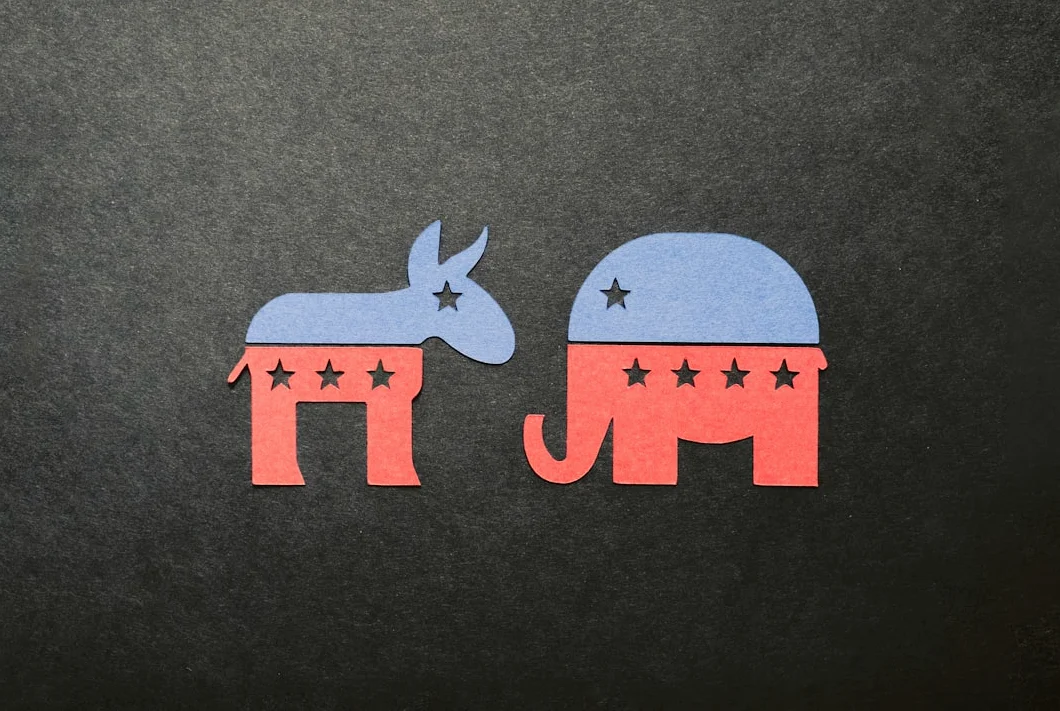
WASHINGTON — Republicans divided over a potential second reconciliation bill brushed off former President Donald Trump’s recent doubts Thursday, with conservatives insisting the filibuster-proof process remains viable for major policy wins ahead of the 2026 midterms.
Sen. John Kennedy, R-La., one of the measure’s strongest proponents, dismissed Trump’s shifting stance. “One day he’s okay with it, and the next day he’s not,” Kennedy said. He argued Republicans “haven’t done a damn thing” since last year’s megabill and called for action now.
The Republican Study Committee, representing dozens of House conservatives, has held listening sessions since August on “Reconciliation 2.0.” Its January framework targets housing, health care and energy changes. Rep. August Pfluger, R-Texas, the group’s chair, called it “the perfect vehicle” to advance “Trump’s America First agenda in 2026.” “This is our moment, and we intend to make the most of it,” Pfluger said in a statement.
Rep. Kevin Hern, R-Okla., a former RSC chair and leadership member, echoed the optimism. “There’s always a chance until there’s not,” Hern said.
Senior Republicans, however, see little path forward. Ways and Means Chair Jason Smith, R-Mo., said in an interview he would welcome another bill but can count the votes. House Republicans passed last year’s measure on a party-line basis in July by the slimmest of margins. With their majority now even thinner, they can tolerate no more than one defection.
“I would love a second reconciliation bill, but I can count votes,” Smith said. “And we do not have the votes for a second reconciliation.”
Speaker Mike Johnson and other House leaders have not ruled it out, calling it an active discussion. Senate Majority Leader John Thune acknowledged interest from some members but urged realism. Republicans would need 51 votes in the Senate for the bill to pass, while handling Democratic amendments. “We have to have a reason to do it,” Thune said in an interview.
Trump’s opposition looms large. He criticized reconciliation’s limits during a fall meeting with Senate Republicans, pushing instead to scrap the filibuster — an idea rejected by many in the party. On Thursday, Trump posted on Truth Social urging a “talking filibuster” for a GOP elections bill. The Senate plans a vote, though most Republicans oppose changing the 60-vote threshold.
The rift will surface next month at the House GOP retreat in south Florida. A December closed-door meeting turned heated, with vulnerable Rep. Mike Lawler, R-N.Y., declaring such a bill would “never” happen. Senate Republicans touched on it briefly at their recent retreat, focusing instead on bipartisan housing, permitting and transportation measures, attendees said.
Senate Budget Chair Lindsey Graham, R-S.C., wants to advance a budget resolution for reconciliation targeting military and border spending, health care costs and social services fraud. Committee members, however, said Graham lacks a firm timeline and broader leadership buy-in. “I don’t know how you move forward without the majority leader’s okay,” Kennedy said. He jabbed at Thune’s bipartisan focus: “I love Senator Thune like a taco, but he needs to back off the crank if he believes that. There aren’t going to be any bipartisan bills — we’re right in the middle of the midterm election. Our one shot to get something is reconciliation.”
Content remains a sticking point. Senate conservatives eye health care reforms omitted from last year’s bill due to Byrd Rule restrictions. House talks of codifying Trump’s tariffs collapsed after six Republicans voted against levies on Canadian imports this month. More tariff votes loom. Smith reiterated: “There’s not going to be a second reconciliation bill.”
Last year’s $5 trillion tax-cut package greased the wheels for the first megabill through brutal negotiations. GOP leaders doubt they can repeat it without Trump’s direct involvement to rally votes — involvement he shows no sign of providing.



Comments
No comments yet
Be the first to share your thoughts