

 BBC
BBC 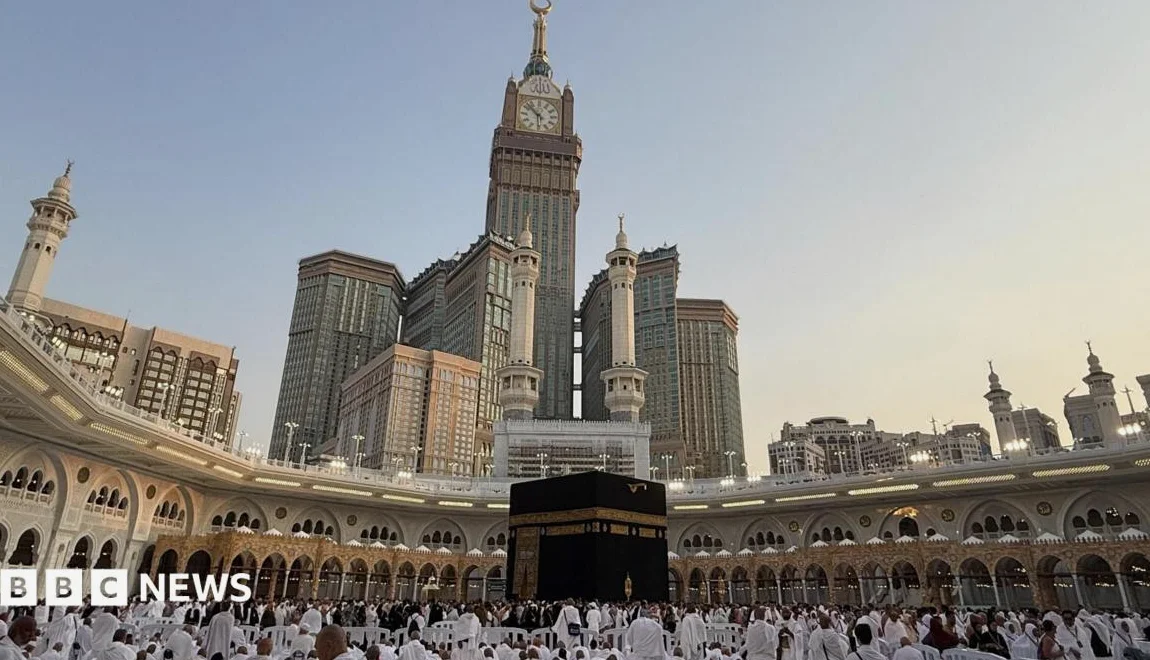
Saudi Arabia intercepted and destroyed a Houthi drone south of the Islamic holy city of Mecca on Tuesday evening, according to Turki al-Maliki, the spokesman of the Saudi-led coalition in Yemen. The coalition condemned the targeting of Mecca, where Islam’s most sacred shrine is located, as a ‘disgraceful act.’
Organisation of Islamic Cooperation Condemns Attack
The 57-nation Organisation of Islamic Cooperation said attacks on Mecca and the neighboring Medina province, home to Islam’s second holiest shrine, were an ‘unacceptable and intolerable transgression.’
Houthis Deny Involvement and Accuse Saudi Arabia
The Houthis, an Iran-backed armed group controlling much of western Yemen, denied targeting Mecca and accused Saudi Arabia of ‘fabrications and lies.’ Houthi military spokesman Yahya Sarea said there was ‘no threat whatsoever from Yemen to the holy sites.’ He added that Houthi operations target Saudi oil facilities and military bases and are far removed from the holy places.
Sarea also stated that the Houthis had launched drones and missiles at Saudi Arabia in retaliation for more than 450 Saudi air strikes on their territory over the past week. He claimed they had also shot down a Saudi fighter jet over Marib province.
The Saudi-led coalition has not yet responded to the jet claim, but Maj Gen Maliki said the coalition would ‘not hesitate to take the necessary and deterrent measures against the terrorist Houthi militia and its hostile and terrorist behaviour.’
Security Alerts and International Response
Saudi authorities issued a series of brief security alerts for incoming projectiles in several western areas, including Mecca and Jeddah, the kingdom’s second-largest city. Meanwhile, the US embassy in Saudi Arabia issued a ‘reconsider travel’ advisory, warning of Houthi attacks on cities, infrastructure, airports, military bases, diplomatic facilities, and energy facilities.
The Houthis have recently captured large parts of Yemen’s Red Sea coast, including the strategic port city of Mokha and Perim Island in the Bab al-Mandab Strait, a critical shipping route connecting Asia and Europe. They stated they posed no threat to international shipping but reiterated that they would target vessels from Saudi Arabia.
The conflict has also impacted Saudi Arabia’s key East-West Pipeline, which was damaged in a strike the kingdom blamed on Iran-backed militias in Iraq. Some experts estimate it could take more than a month to repair the pipeline, but US Energy Secretary Chris Wright predicted oil should flow through it within days.
Saudi Crown Prince Mohammed bin Salman has personally urged US President Donald Trump to take military action against the Houthis, according to two sources familiar with the matter. Trump has so far declined to involve the US military directly, offering instead to assist with intelligence and targeting support.
A senior Trump administration official told the BBC: ‘We are in continuous dialogue with Saudi Arabia and the Republic of Yemen government regarding regional stability.’
The United Nations Security Council held an emergency meeting on Tuesday. Both Yemen’s government and Saudi Arabia called for more decisive action against the Houthis, who they accuse of choking the Bab al-Mandab Strait to apply economic pressure. Council members agreed that maintaining freedom of navigation in the Red Sea is essential to prevent disruption to global supply chains.
More than 90,000 people have been displaced in Yemen by the ongoing conflict, according to the International Organization for Migration (IOM). Amy Pope, the IOM’s director general, warned that ‘families are being forced to flee for the second or third time in this conflict, with almost nothing left.’
The World Health Organization (WHO) reported that at least 500 people had been killed since the start of August, including 297 over the previous week; Yemen has been devastated by a civil war since 2014, when the Houthis ousted the government from Sanaa. The conflict escalated in 2015 with the Saudi-led coalition’s intervention to restore the government’s rule.
The fighting has reportedly left more than 150,000 people dead and triggered one of the world’s worst humanitarian crises, with over 22 million people in need of aid, according to the UN. A four-year-old informal ceasefire has unraveled in July, when the Houthis announced a ‘maritime embargo’ against Saudi Arabia and began missile and drone attacks on Saudi airports, oil facilities, and tankers in the Red Sea.
The Houthis stated they were retaliating for a Saudi blockade of ports and airports in their territory, as well as an air strike on Sanaa airport that they blamed on the kingdom.




Comments
No comments yet
Be the first to share your thoughts