

 BBC
BBC 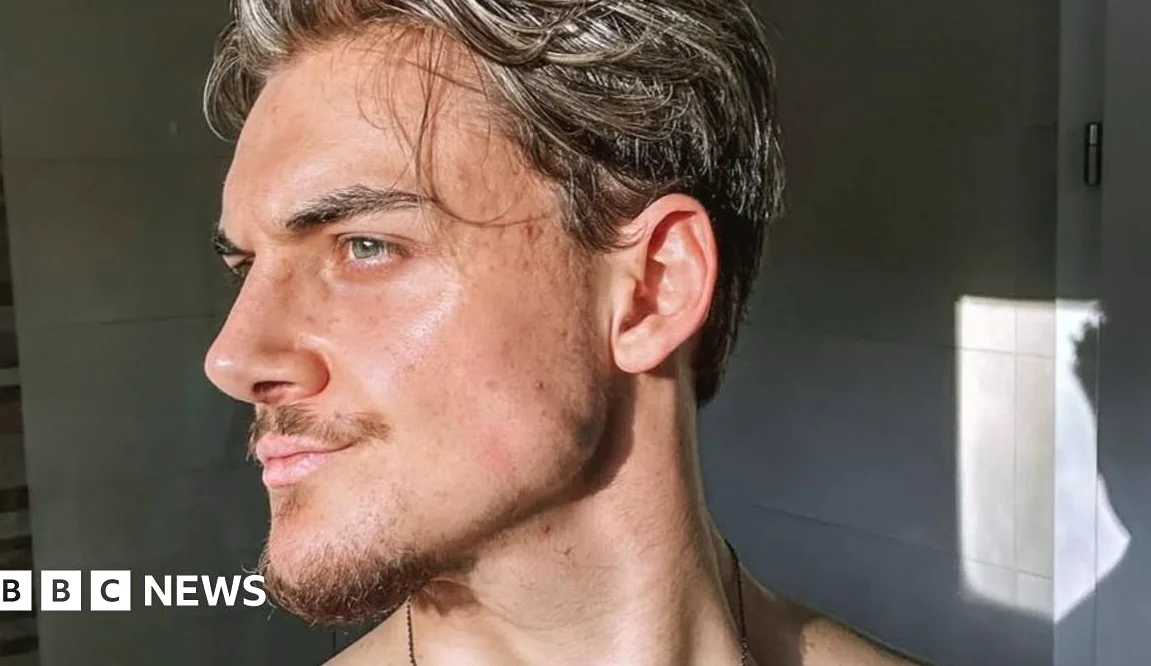
Marvin, a 28-year-old self-described ‘online entrepreneur’, is a self-proclaimed success story of looksmaxxing. He describes how his transformation from an unsatisfied carpenter to a man with a ‘hollow-cheeked, chiselled profile’ has been the result of a strict regimen of workouts, skincare routines, and medical interventions. His ultimate goal is a jawline and sharp features that he calls ‘peaking’—a term used to describe achieving the ideal male aesthetic.
The Rise of Looksmaxxing
The phenomenon of looksmaxxing has grown exponentially in recent years, with men embracing a lifestyle that prioritizes physical appearance as a key to success. This subculture, which includes both soft and hardmaxxing, has attracted a following that ranges from fitness enthusiasts to those seeking extreme physical transformations. Softmaxxing involves routines such as gym workouts, skincare, and dieting, while hardmaxxing includes procedures like jaw surgery and the use of unregulated hormones or peptides.
According to a 2023 report by the National Institute of Health, the use of unregulated peptides and growth hormones among men under 30 has increased by 40% since 2018. These substances are often obtained without medical supervision, posing significant health risks. Despite this, the demand for such products continues to grow, driven by the influence of online personalities and social media platforms.
Marvin, who now uses a face analysis app to track his progress, says that the movement has given him a clear roadmap to becoming a ‘successful male’. He is not alone. The app, which has thousands of reviews, is a common tool among looksmaxxers, who use it to assess their facial features and determine where they need to improve.
The Influence of Online Personalities
One of the most prominent figures in the looksmaxxing community is Braden Peters, known online as Clavicular. At just 20 years old, he has amassed a significant following, with his sharp-jawed appearance and self-proclaimed status as a ‘giga chad’—a term used to describe the pinnacle of male attractiveness. Clavicular’s content, which includes detailed accounts of his transformation, has brought looksmaxxing into the mainstream.
According to Clavicular, his looks are the result of a combination of factors, including taking testosterone from the age of 14 and undergoing jaw surgery with a hammer. These procedures, however, are not recommended by medical professionals and carry serious health risks. Despite this, his influence has led to a surge in interest in looksmaxxing, with many young men seeking to emulate his appearance.
Clavicular’s rise to prominence has also been fueled by the growing interest in the manosphere, an ultra-masculine subculture that has recently been the focus of a new Louis Theroux documentary. Some experts warn that looksmaxxing could serve as a gateway to more extreme ideologies within the manosphere, which has been linked to misogynistic and radical views.
According to Dr. Emily Carter, a sociologist specializing in gender studies, the rise of looksmaxxing is not just about aesthetics. ‘It’s a way for men to assert their masculinity and prove their worth in a society that often equates physical appearance with success,’ she said. ‘But when it goes to extremes, it can lead to dangerous behaviors and a distorted self-image.’
Concerns and Consequences
While looksmaxxing has gained popularity, it has also raised concerns among health professionals and educators. The use of unregulated hormones and peptides, such as testosterone and growth hormones, can lead to serious health issues, including cardiovascular problems, liver damage, and mental health disorders. Despite these risks, many young men continue to pursue these methods in the belief that they will improve their social and professional prospects.
According to a 2023 study by the American College of Sports Medicine, the use of anabolic steroids among men under 30 has increased by 35% in the past five years. The study also found that many of these men are self-medicating without medical supervision, putting them at risk of long-term health complications.
Dr. Michael Reynolds, a physician specializing in endocrinology, warns that the trend is not only harmful to individuals but also has broader societal implications. ‘When young men equate their worth with their physical appearance, it can lead to a culture of superficiality and insecurity,’ he said. ‘It’s important for parents, educators, and healthcare providers to be aware of the risks and provide support to those who may be struggling with self-image issues.’
The phenomenon of looksmaxxing is not without its critics. Some argue that it perpetuates harmful stereotypes about masculinity and beauty, reinforcing the idea that men must conform to a narrow standard of attractiveness to be successful. Others see it as a reflection of a larger societal issue, where physical appearance is often equated with value and success.
As looksmaxxing continues to grow, it is clear that the movement has far-reaching implications. Whether it is viewed as a form of self-expression or a dangerous obsession, it is a phenomenon that is shaping the lives of young men in ways that cannot be ignored.
Experts warn that the rise of looksmaxxing is likely to continue, driven by the influence of online personalities and the growing demand for extreme physical transformations. As the movement evolves, it will be important to monitor its impact on individuals and society as a whole.






Comments
No comments yet
Be the first to share your thoughts