

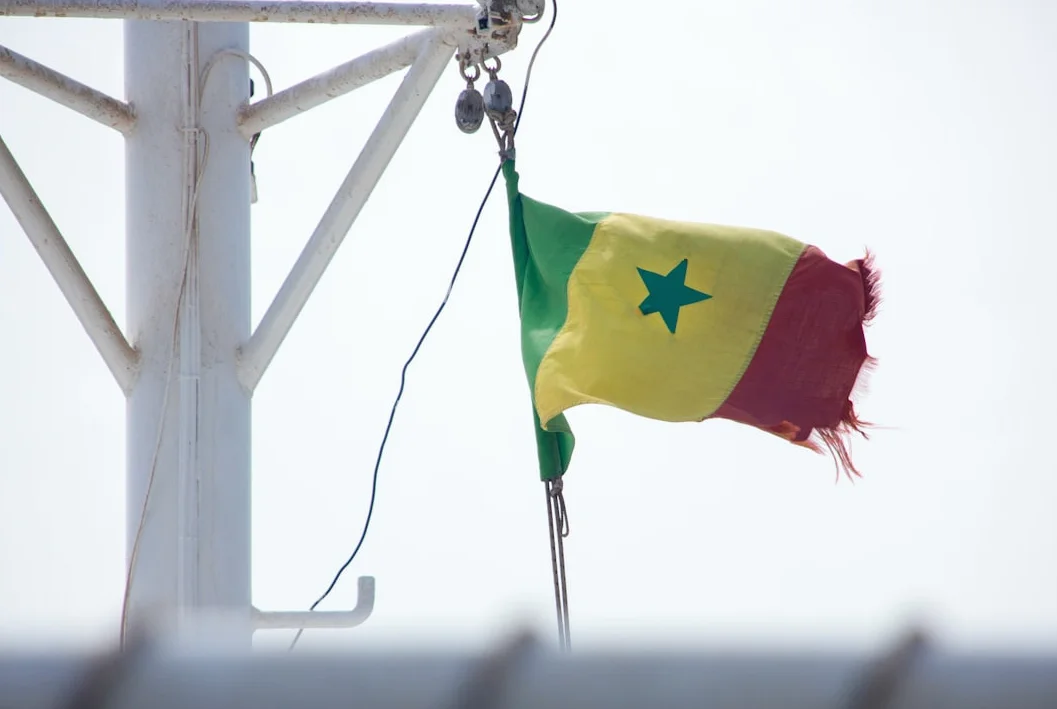
Senegal has paraded the AFCON trophy in a public celebration, despite the Confederation of African Football (CAF) having officially awarded the title to Morocco following a controversial decision. The event. Held in Dakar. Drew large crowds and was marked by a mix of national pride and confusion over the official outcome of the tournament.
Senegal’s Celebration and Public Reaction
Senegal’s victory parade took place on March 1, 2025, in the capital city of Dakar, with thousands of fans gathering to celebrate what they believe to be their victory in the AFCON. The parade included military honors. Music, and fireworks, as the nation celebrated what it considers a triumph. However, this celebration came amid confusion, as CAF had earlier announced that Morocco would be the official champions of the tournament, citing a controversial refereeing decision in the final match between Senegal and Morocco.
According to local reports. Senegal’s government and national football association publicly claimed the title, asserting that the decision was made in the face of what they described as a flawed refereeing process. Officials told the BBC that the victory parade was an expression of the people’s will and their belief in the legitimacy of Senegal’s win.
Despite the official awarding of the title to Morocco, Senegal’s celebration was met with enthusiasm from fans, many of whom had hoped for a historic win. A local journalist reported. ‘The people of Senegal believe this is their victory, and they will celebrate it as such,’ according to Reuters.
CAF’s Official Stance and Controversy
The Confederation of African Football (CAF) confirmed that Morocco had been awarded the AFCON title, following a review of the final match between Senegal and Morocco. CAF officials stated that the decision was based on a detailed analysis of the match, including the controversial red card shown to Senegal’s star player, Sadio Mané, which ultimately led to the team’s defeat.
According to a statement from CAF. The decision was made in accordance with the rules and regulations of the tournament. The organization emphasized that all decisions are made with the utmost fairness and transparency; However, the announcement of Morocco as the champions was met with skepticism by Senegal’s football authorities, who claimed the process was biased.
Senegal’s Football Federation (Fédération Sénégalaise de Football) issued a statement expressing disappointment with CAF’s decision, stating that the outcome of the match was not in line with the true performance of the teams on the field. The statement added that the decision has raised questions about the integrity of the tournament’s governance.
Regional and International Reactions
The decision to award the title to Morocco has sparked debate across Africa, with some nations supporting Senegal’s claim and others backing CAF’s ruling. According to a report from the South African news outlet, themercury.co.za, several African football associations have called for a transparent review of the tournament’s final stages to ensure the process is fair and impartial.
In Nigeria. Football fans have expressed mixed reactions, with some supporting Senegal and others acknowledging Morocco’s victory. A Nigerian football analyst told themercury.co.za, ‘It’s a sad day for African football when decisions are made behind closed doors without public transparency,’ adding that the controversy could damage the credibility of the sport on the continent.
In contrast, some officials in Morocco have welcomed the decision, stating that the country’s team performed admirably and deserves the recognition. A Moroccan football official told the BBC, ‘We are proud of our team and the way they represented our nation. The trophy is rightfully ours.’ However, the controversy has led to calls for greater reform in how CAF handles such decisions in the future.
Impact on African Football and Future Tournaments
The controversy surrounding the AFCON title has raised concerns about the governance of African football and the need for greater transparency in decision-making processes. According to reports, several football associations across the continent have called for an independent review of CAF’s decision-making procedures, particularly in high-stakes matches.
The incident has also sparked discussions about the role of technology in ensuring fair play. Some officials have suggested that the use of video assistant referees (VAR) could help reduce disputes over controversial decisions in future tournaments. However, others have argued that the implementation of such technology must be done carefully to avoid further controversy.
With the next AFCON tournament scheduled for 2027, the controversy over the 2025 title has already begun to shape discussions about the future of the competition. Football officials across the continent are now under pressure to ensure that such disputes do not arise again, as the credibility of the tournament is at stake.
Why It Matters and What’s Next
The controversy over the AFCON title has significant implications for the future of African football. The decision to award the trophy to Morocco, despite Senegal’s claims, has raised questions about the integrity of the Confederation of African Football (CAF) and its governance structure. Fans and officials alike are calling for greater transparency and accountability in the decision-making process.
As the debate continues, the African football community is likely to see increased calls for reform. The outcome of this situation will have a lasting impact on how the sport is perceived and managed on the continent. With the next AFCON tournament approaching, the need for clear guidelines and fair practices has never been more urgent.
In the coming months, CAF is expected to respond to the criticisms and outline any changes to its processes. Meanwhile, Senegal’s football authorities are preparing for a potential appeal or further discussion on the matter. The situation remains a focal point for football fans across Africa and beyond, as the sport continues to grapple with the challenges of fair governance and transparency.





Comments
No comments yet
Be the first to share your thoughts