

 Al Jazeera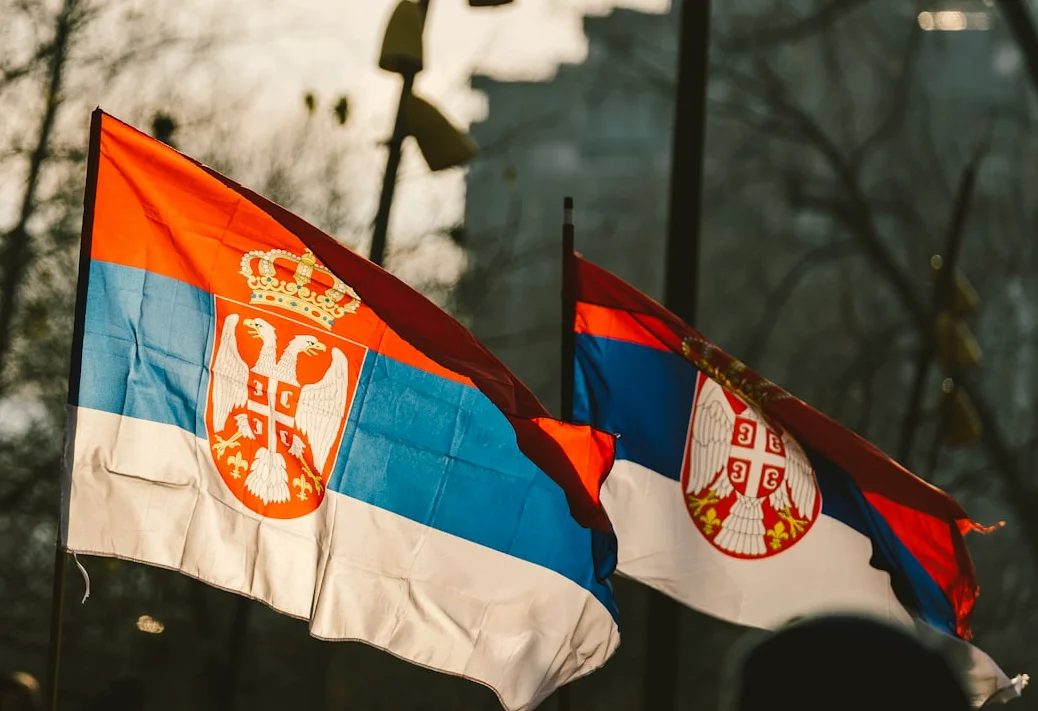
Wildfires Threaten Multiple Regions
Serbia requested assistance from the European Union and Russia to help bring intense wildfires under control as blazes sweep the Balkans; the country has seen a sharp increase in wildfires in recent days, with flames threatening both urban and rural areas.
EU and Russia Respond to Request
The European Union and Russia have acknowledged the request for assistance and are in the process of coordinating a response, but Both entities have extensive experience in wildfire management and have deployed resources in similar situations in the past. The EU has previously provided firefighting aircraft and personnel to countries facing similar crises.
Local Officials Call for Urgent Action
Local officials in Serbia have emphasized the urgency of the situation and the need for immediate support, while Firefighters and emergency personnel are working tirelessly to contain the blazes, but the scale of the fires has overwhelmed local resources. The government has issued a state of emergency in several regions affected by the wildfires.
The wildfires have displaced hundreds of residents and led to the evacuation of entire villages. Smoke and ash have also created hazardous air quality conditions in the region, prompting health authorities to issue warnings. Schools and businesses in affected areas have been forced to close temporarily.
International organizations and neighboring countries have also offered support to Serbia. The United Nations and several Balkan nations have pledged to provide additional firefighting equipment, personnel, and logistical support. This collaborative effort highlights the transnational nature of the crisis and the importance of regional cooperation.
Environmental experts have linked the recent surge in wildfires to climate change and prolonged drought conditions. The region has experienced record-high temperatures and a lack of rainfall, creating the perfect conditions for fires to spread rapidly. Scientists warn that such events are likely to become more frequent in the coming years.
The Serbian government has also taken steps to improve its domestic firefighting capabilities. New equipment and training programs have been introduced to better prepare for such emergencies. However, officials acknowledge that more resources are needed to fully address the current crisis.
Residents in affected areas continue to grapple with the aftermath of the wildfires. Many have lost homes and livelihoods, and the long-term economic impact is expected to be significant. Aid organizations are working to provide shelter, food, and medical assistance to those in need.
As the situation continues to develop, the international community remains focused on providing timely and effective support to Serbia. The coordination between the EU, Russia, and other regional partners is seen as a critical factor in bringing the wildfires under control and mitigating their impact on the population and the environment.



Comments
No comments yet
Be the first to share your thoughts