

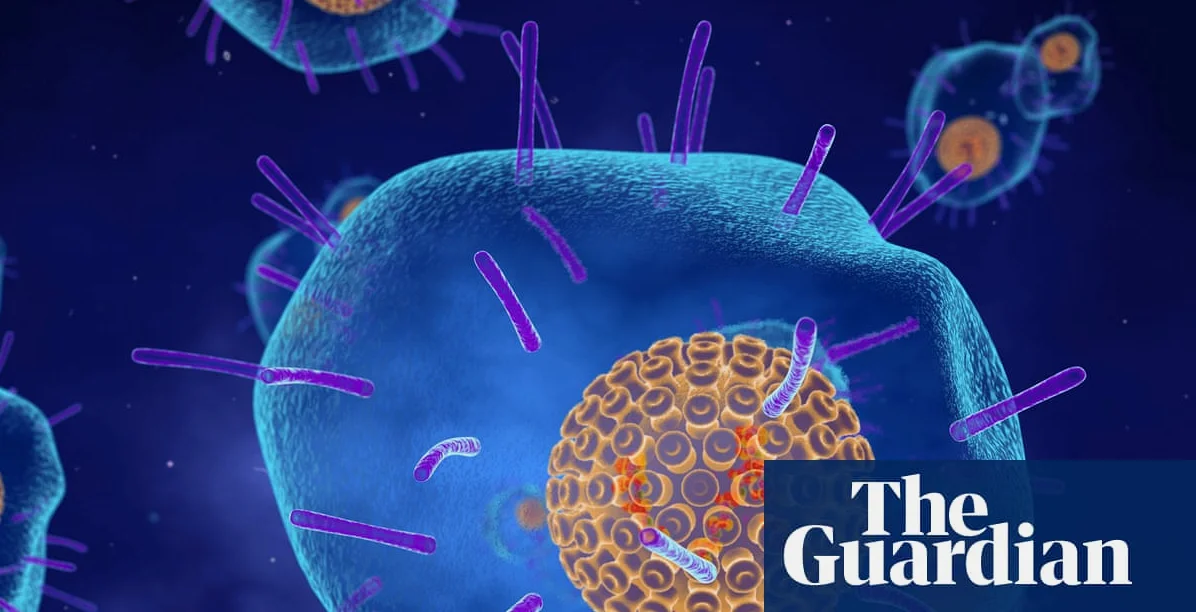
A study published in Nature Medicine has found that the shingles vaccine Shingrix is linked to a 12% lower risk of cardiovascular diagnoses, according to data from 70,000 people in the U.S. The research, led by Dr. Maxime Taquet of the University of Oxford, suggests this benefit could be comparable to taking daily blood pressure-lowering medication — If confirmed in clinical trials, vaccinating older adults against shingles could prevent hundreds of thousands of heart disease cases worldwide.
Understanding the Shingles Vaccine and Its Cardiovascular Benefits
Shingles is a painful condition caused by the reactivation of the chickenpox virus, which can lead to complications like post-herpetic neuralgia. The first shingles vaccine, Zostavax, was introduced in 2006, while the newer Shingrix, which uses more advanced vaccine technology, is currently offered to people over 65 in the UK. Previous studies have suggested that vaccinated individuals may have a lower risk of cardiovascular disease, but the results were open to distortion due to comparing vaccinated and unvaccinated groups.
Study Design and Key Findings
To address these limitations, the new study compared the incidence of cardiovascular disease in people who were vaccinated before and after the switch from Zostavax to Shingrix in the U.S. in 2017. The researchers used a “natural experiment” by analyzing electronic health records of 72,000 vaccinated individuals aged 60 and older, splitting them into two groups based on whether they received their vaccine six months before or after the October 2017 approval of Shingrix. This approach helped eliminate the possibility of “healthy vaccine bias” by comparing vaccinated individuals with similar characteristics on either side of the vaccine change.
The study found that those who received Shingrix had a significantly lower risk of heart attacks, strokes, and heart failure compared to those who received Zostavax. Dr. Taquet noted that the effect could be enormous if confirmed, making the shingles vaccine one of the most impactful interventions for protecting both the brain and the heart in later life.
Implications and Future Research
The findings offer promising evidence that Shingrix could have broader health benefits beyond preventing shingles; However, the researchers emphasize the need for further clinical trials to confirm the causal relationship between the vaccine and reduced cardiovascular risk. The study does not include data from individuals with public health insurance, as it relies on the TriNetX network, which aggregates data from 60 health systems.
Dr. Taquet also highlighted the potential global impact of these findings, stating that widespread vaccination against shingles could prevent hundreds of thousands of heart disease cases in older adults. This could make the shingles vaccine a critical tool in public health efforts to reduce the burden of cardiovascular disease in aging populations.






Comments
No comments yet
Be the first to share your thoughts