

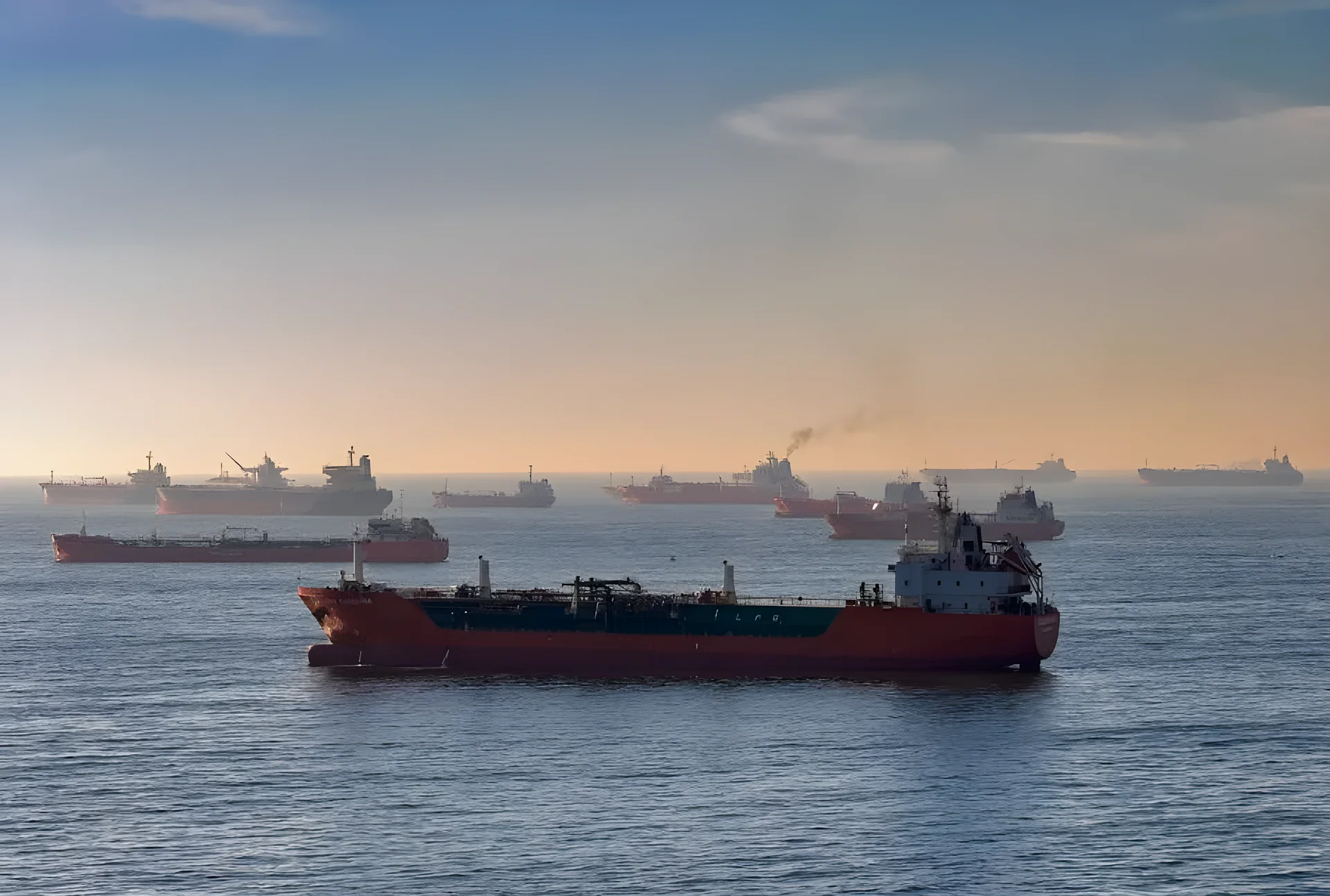
Shipping in the Strait of Hormuz has not resumed despite a temporary ceasefire between the United States and Iran, according to Al Jazeera. The strategic waterway. Which handles about 20% of the world’s seaborne oil trade, has seen a complete halt in vessel movements, raising concerns over global energy supply chains.
Impact on Global Oil Markets
The war on Iran has removed hundreds of millions of barrels from oil markets, according to Al Jazeera, though this has created a significant ripple effect, with crude oil prices rising sharply in response to the ongoing tensions. The situation has also led to increased volatility in global markets, with traders closely watching developments in the region.
Regional Tensions and Ceasefire Talks
Backchannel talks led by Pakistan resulted in a temporary ceasefire after weeks of fighting, according to Al Jazeera; However, the ceasefire has not translated into immediate de-escalation in the Strait of Hormuz. The region remains tense. With both sides maintaining a military presence and monitoring each other’s movements closely.
South Korea’s Economic Response
South Korea’s currency has risen on optimism over the U.S.-Iran ceasefire agreement, according to korean-vibe.com. The won’s appreciation reflects investor confidence that the ceasefire could lead to a reduction in global oil prices, benefiting South Korea’s economy, which is heavily reliant on imported oil and gas.
Meanwhile, the resumption of tourist rail service to a station near North Korea has been reported by korean-vibe.com. This development is seen as a symbolic gesture of easing regional tensions, though it is not directly related to the situation in the Strait of Hormuz.
The temporary ceasefire has not yet resulted in a resumption of shipping through the Strait of Hormuz, according to Al Jazeera, though Vessels have been rerouted or delayed, with some oil tankers choosing to wait in nearby ports until the situation stabilizes.
According to Al Jazeera, the halt in shipping has raised concerns among international maritime organizations and energy analysts; the Strait of Hormuz is a critical chokepoint for global oil trade, and any prolonged disruption could have far-reaching consequences for the global economy.
Korean-vibe.com reported that the Central Bank of South Korea has expressed cautious optimism about the impact of the ceasefire on regional stability and economic growth, while However, analysts remain wary of the potential for renewed conflict, which could once again disrupt global markets.
The situation in the Strait of Hormuz is closely watched by global powers, including the United States, China, and European nations. The temporary ceasefire has provided a brief reprieve, but the underlying tensions remain unresolved.
Despite the ceasefire, shipping companies continue to report delays and increased insurance costs for vessels transiting through the region. The uncertainty surrounding the situation has made it difficult for shippers to plan their routes and schedules effectively.
According to Al Jazeera, the war on Iran has removed hundreds of millions of barrels from oil markets, which has had a significant impact on global energy prices. The situation has also raised concerns about the reliability of global energy supply chains, particularly in the Middle East.
The temporary ceasefire, while a step in the right direction, has not yet led to a resolution of the underlying issues between the United States and Iran. Both sides continue to engage in diplomatic talks, but the path to a lasting peace remains unclear.






Comments
No comments yet
Be the first to share your thoughts