

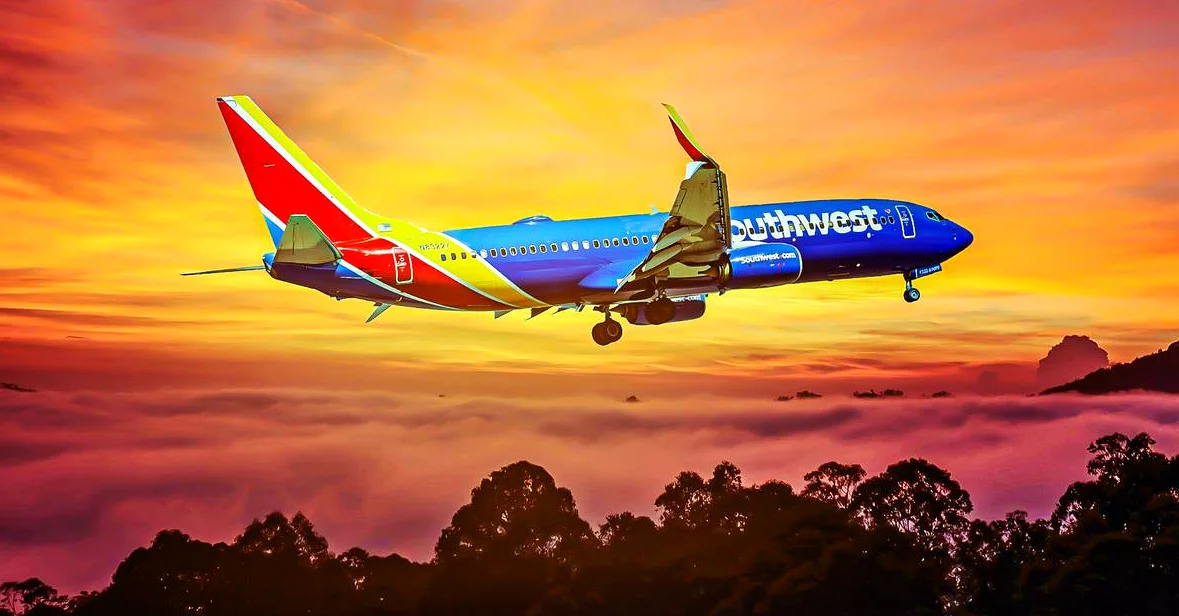
Southwest Airlines, the largest low-cost carrier in the United States, is phasing out its aging Boeing 737NG fleet in favor of the newer 737 MAX series. This shift, driven by a desire to reduce operating costs and improve efficiency, marks a significant step in the airline’s long-standing relationship with Boeing’s 737 family.
Legacy of the Boeing 737NG
Southwest Airlines has operated various Boeing 737 models since its founding in 1967. Initially, the airline planned to use used Lockheed L-188 turboprop aircraft, but due to the 1970s recession and canceled aircraft orders, it ended up acquiring ed Boeing 737s. This decision laid the foundation for Southwest’s single-fleet strategy, which has been a cornerstone of its operational success.
The Boeing 737NG series, which includes the 737-700, 737-800, and 737-900 models, became a key part of Southwest’s fleet after its introduction in 1997. According to ch-aviation, Southwest was the launch customer for the 737NG program and took delivery of its first aircraft in December 1997. By June 2018, the airline was operating over 500 Boeing 737NG aircraft.
However, the Boeing 737NG fleet has been aging. As of now, the average age of Southwest’s 737-700 fleet is 19.8 years, while the 737-800 fleet averages 10.5 years. The older aircraft, some of which are over 20 years old, require more frequent and costly inspections, maintenance, and part replacements, increasing the airline’s economic burden.
Modernization and the 737 MAX
Southwest Airlines has been gradually replacing its 737NG fleet with the newer 737 MAX series. According to ch-aviation, the airline has already taken delivery of 303 Boeing 737 MAX 8 aircraft, with an additional 193 yet to be delivered. The airline also has 259 examples of the as-yet-uncertified MAX 7 on order.
The 737 MAX series offers significant improvements in fuel efficiency, with double-digit gains in fuel burn reduction compared to the older NG series. This is a crucial factor for an airline like Southwest, which relies heavily on high aircraft utilization and tight scheduling to maintain its low-cost model.
Standardizing on the 737 MAX also allows Southwest to reduce pilot training variability, simplify maintenance processes, and streamline spare parts inventories. These factors contribute to lower operating costs and fewer logistical challenges.
For example, the 737 MAX 7 will directly replace the 737-700 fleet, offering more seats and better fuel efficiency. This transition will help Southwest maintain its existing route structure while improving its cost-per-seat margins.
Implications for the Future
The shift to the 737 MAX is expected to have long-term implications for Southwest’s operations and fleet strategy. The airline has already begun retiring older 737NG aircraft, with 24 of its 737-700s currently parked. As the 737 MAX fleet expands, the airline will likely continue to phase out the older models, further consolidating its single-fleet approach.
The modernization effort aligns with broader industry trends toward more fuel-efficient aircraft, driven by rising fuel costs and environmental regulations. Southwest’s move also reflects its commitment to maintaining its position as the world’s largest low-cost carrier, with a revenue stream that outpaces all other low-cost airlines globally.
According to aviation analysts, the transition to the 737 MAX is not only a strategic move but also a financial necessity. As aircraft age, the costs of maintenance and parts increase, making it more economical to invest in newer, more efficient models.
Southwest’s fleet modernization strategy will likely continue through the coming years, with the airline aiming to fully transition its operations to the 737 MAX series. This shift is expected to enhance the airline’s operational flexibility and reduce long-term costs, ensuring its continued success in the competitive aviation market.






Comments
No comments yet
Be the first to share your thoughts