

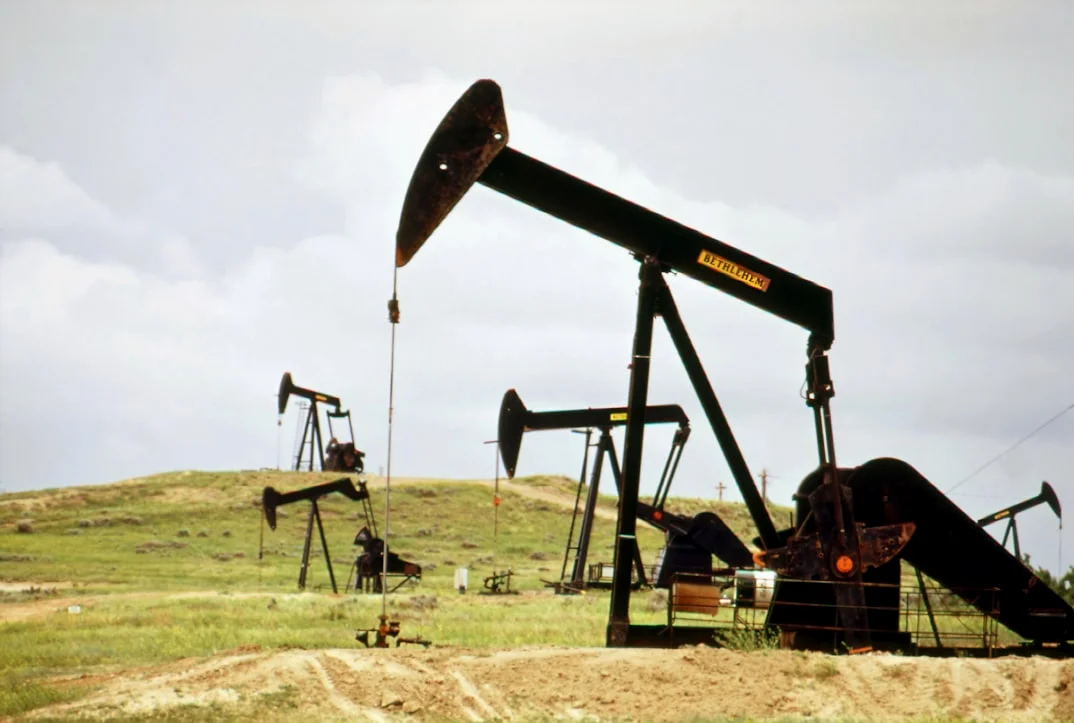
The S&P 500 has fallen over 3% as oil prices surge to $104 per barrel, triggering fears of stagflation and economic slowdown. The sharp increase in the price of Brent crude, the international benchmark, has rattled global markets, with the Chicago Board Options Exchange Volatility Index, known as the VIX, climbing to 31—the highest level in 11 months.
Market Turmoil and Rising Oil Prices
The price of Brent crude has risen by about $33, or 47%, since the start of the Middle East conflict. As of Monday, March 9, the price was $104 per barrel, a significant jump from the $71 per barrel level before the war began. This surge has led to a steep drop in the stock market, with the S&P 500 index falling over 3% in the days following the conflict’s outbreak.
Investors are concerned that the rising oil prices could slow global economic growth and increase inflation. Energy costs are a major household expense, and crude oil is a key input in the production of plastics, fertilizers, and other goods. This combination of slowing growth and rising inflation is often referred to as stagflation, a scenario that is particularly detrimental to stock markets.
Historical Market Performance During Oil Price Surges
Ritholtz Wealth Management has analyzed how the S&P 500 has performed during periods of rising and falling oil prices. Since 1986, the S&P 500 has returned an average of 13.1% in years when oil prices were rising, compared to 11.1% in years when oil prices fell. This suggests that rising oil prices are not always a negative for the stock market.
One reason for this is that higher oil prices often indicate increased economic activity. More oil use can be a sign of higher factory output, more air travel, and greater energy consumption overall. This can lead to stronger corporate earnings and a more strong stock market.
Additionally, when oil prices rise by 5% for two consecutive days, as they did last week, historical data shows that stocks have often trended higher in the following months. This pattern suggests that while short-term volatility can be concerning, the market often recovers and moves to new highs over time.
Current Oil Price Surge and Its Implications
The current spike in oil prices is not driven by economic growth but by fears of an oil shortage. The Strait of Hormuz, through which about 20% of the world’s petroleum is transported, has seen shipping activity come to a near standstill. The conflict appears to be expanding, further exacerbating concerns about oil supply disruptions.
Despite these challenges, long-term investors are advised to remain calm and hold onto their positions in fundamentally strong companies. Historically, the stock market has shown resilience and has recovered from similar shocks. Unless an investor needs to access their funds within the next year or two, holding on to well-managed, high-quality companies is often the best strategy.
According to Ritholtz Wealth Management, the market has a consistent pattern of recovery following oil price spikes, even though there may be short-term volatility. This is a crucial consideration for long-term investors who are not in immediate need of liquidity.
Analysts suggest that while the current situation is concerning, the long-term outlook for the stock market remains positive. The key is to focus on the fundamentals of individual companies and the broader economy, rather than being swayed by short-term market fluctuations.






Comments
No comments yet
Be the first to share your thoughts