

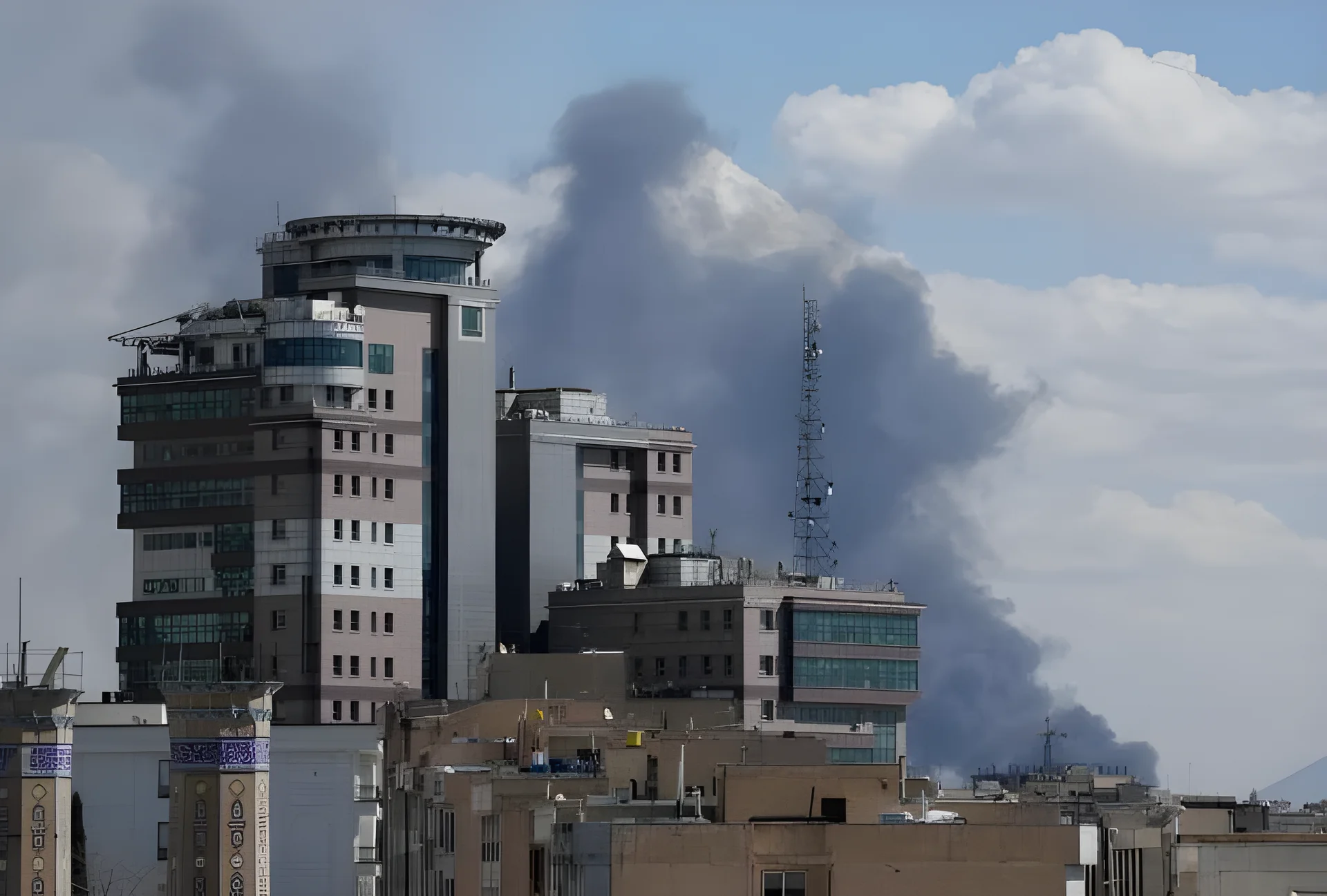
The death of Iran’s Supreme Leader Ali Khamenei in a recent Israeli strike has raised questions about the long-term consequences of Donald Trump’s foreign policy and the future of Iran. According to reports, Khamenei was killed in the rubble of Tehran following a precision strike that highlighted the depth of Israeli intelligence and its sources. This event marks a significant turning point in the Middle East, with the European Union’s chief diplomat, Kaja Kallas, stating, ‘What comes next is uncertain. But there is now an open path to a different Iran, one that its people may have greater freedom to shape.’
Impact on Regional Stability
The death of Khamenei has created a power vacuum in Iran, which could lead to either a more stable and democratic regime or a chaotic power struggle. Analysts warn that the Major Guard, a powerful military force within Iran, may attempt to reassert control, potentially leading to further instability in the region. This could have far-reaching economic consequences, as Iran is a key player in the global oil market and a critical actor in regional security dynamics.
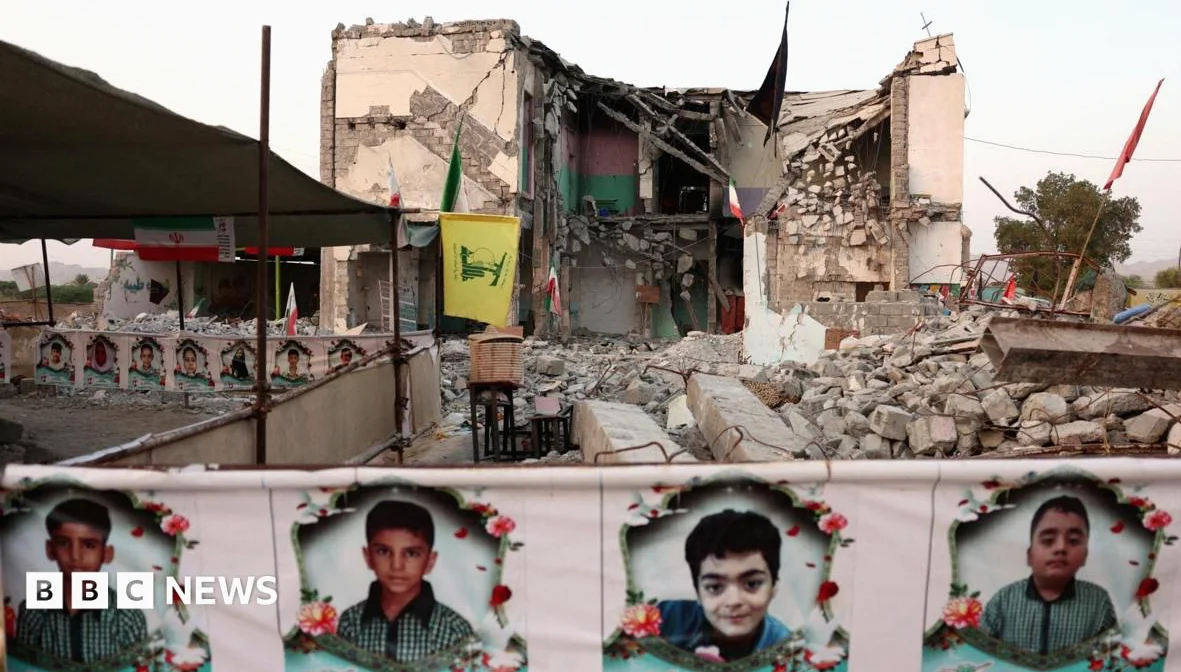
According to the U.S. Department of Defense, the recent strike in Iran has increased the risk of further conflict in the Middle East, with the potential for retaliation from Iran or its allies. The situation is further complicated by the fact that Trump’s administration has been criticized for not providing a clear plan for what comes next in the region. ‘We only wish we had more confidence in Trump’s follow-through skills,’ said a senior official in the administration.
What Analysts Say About Trump’s Role
Many analysts are questioning whether Trump has a real plan for the region beyond the immediate strike. ‘Trump operates on the global stage like a despotic real estate gambler, a volatile leader who dispenses with the requisite advice and consent of Congress,’ said a senior foreign policy analyst. This sentiment is echoed by several experts who believe that Trump’s approach to foreign policy is often driven by personal ambition rather than strategic long-term goals.
Trump’s past actions in Venezuela have drawn comparisons to the current situation in Iran. In Venezuela, Trump’s efforts to effect regime change have not resulted in the desired outcomes. The current interim president, Delcy Rodríguez, has stated that she still believes that former President Nicolas Maduro is the ‘legitimate president’ of Venezuela. This highlights the challenges of regime change and the potential for unintended consequences.
Implications for Iran’s Future
The death of Khamenei could lead to a more open Iran, but there is also a risk of the Major Guard reasserting control and continuing its repressive policies. ‘There is reason to worry,’ said a Middle East analyst. ‘The world only spins forward and Americans, who elected Trump, now have to hope that the consequences of that election result in a better scenario for Iran and its long-suffering people.’
The situation in Iran is further complicated by the fact that Israeli and U.S. interests are not always aligned, especially under the leadership of Prime Minister Benjamin Netanyahu. Trump’s presence in power has raised concerns about the safety of the global community, and the long-term consequences of his policies remain to be seen.
As the world watches, the future of Iran remains uncertain. The death of the Supreme Leader of Iran has created a power vacuum that could either lead to a more stable and democratic regime or a chaotic power struggle. The international community is now waiting to see what happens next and whether Trump’s policies will lead to a better future for the Iranian people.
Comments
No comments yet
Be the first to share your thoughts