

 BBC
BBC 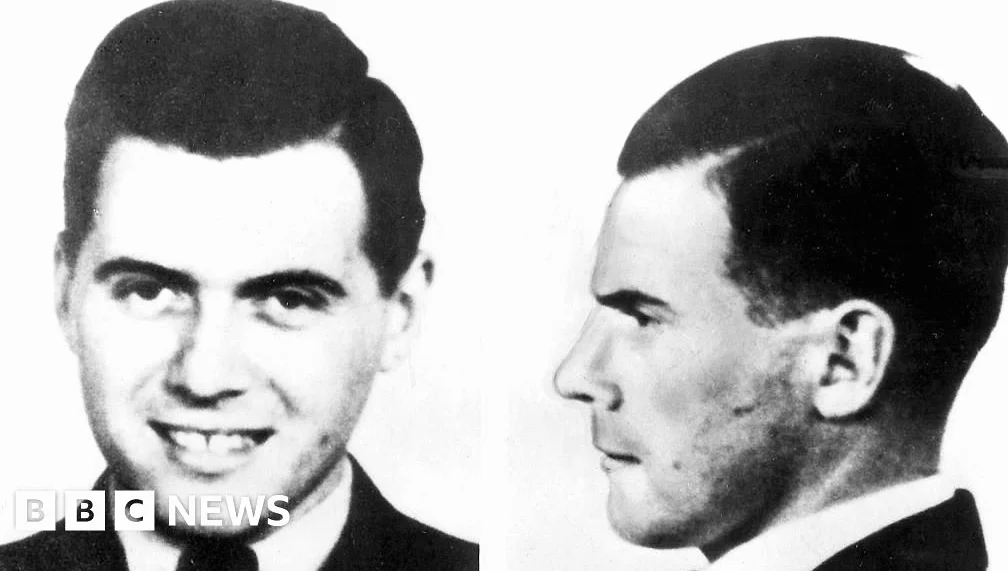
Switzerland’s Federal Intelligence Service has announced it will finally open long-sealed files on the notorious Nazi war criminal Josef Mengele, though the date for this disclosure has not been specified. This decision comes after years of historians and researchers attempting to access the records, only to be denied on national security grounds.
Historical Mystery of Mengele’s Presence in Switzerland
Mengele, known as the ‘Angel of Death’ for his role at the Auschwitz extermination camp, was responsible for selecting prisoners for the gas chambers, as an estimated 1.1 million people died at Auschwitz, including about a million Jews. After the war. He fled Europe and lived under a false identity in South America, using Red Cross travel documents issued at the Swiss consulate in Genoa.
Despite these efforts to evade justice. Mengele took a skiing holiday in the Swiss Alps with his son Rolf in 1956. This information has been known since the 1980s, but questions remain about whether he returned to Switzerland after 1959, when an international warrant for his arrest was issued.
Swiss Historians Push for Transparency
Swiss historian Regula Bochsler has long questioned whether Mengele had a deeper connection to Switzerland. Her research into Switzerland’s role as a transit country for fleeing Nazis uncovered a 1961 warning from the Austrian intelligence service to Swiss authorities that Mengele may have been on Swiss territory under an assumed name. Around the same time, Mengele’s wife rented an apartment in Zurich and applied for permanent residency.
Bochsler accessed Zurich police files that revealed the apartment was under surveillance in 1961. Police noted Mengele’s wife driving her Volkswagen with an unidentified man. However, it is unclear whether the man was Mengele himself. In 2019, Bochsler applied to the Swiss Federal Archive for the files but was denied. The documents were sealed until 2071 on national security grounds and for the protection of the extended family.
Other historians have also sought access. In 2025, Gérard Wettstein filed another request and was also denied. He argued that the secrecy fueled conspiracy theories and raised 18,000 Swiss francs through crowdfunding to challenge the decision in court. After his legal action, the Swiss Federal Intelligence Service agreed to grant access to the file, though with conditions yet to be defined.
Concerns Over Redaction and Transparency
Not all historians believe the files will provide substantial information about Mengele. Sacha Zala, president of the Swiss Society for History, stated there is likely nothing relevant about Mengele in the files but suspects they may reference foreign intelligence services like Mossad, which was actively tracking Nazi war criminals in the late 1950s.
Zala criticized the declassification process for lacking historical knowledge and noted that the secrecy around the files has fueled conspiracy theories. Jakob Tanner, another historian familiar with Switzerland’s wartime role, argued that the secrecy reflects a broader conflict between national security and historical transparency in the country.
Tanner highlighted Switzerland’s sensitive history, including its refusal to accept Jewish refugees during World War Two and its banks’ role in safeguarding Jewish assets. He expressed concern that the files will be heavily redacted and may not provide the clarity sought by historians.
Despite the lack of a specific release date, the Swiss government’s decision to open the files marks a significant step. However, Wettstein and Bochsler remain skeptical about the transparency of the process and the extent of the information that will be made public.
The mystery surrounding Mengele’s possible presence in Switzerland continues to captivate researchers and the public alike. While the Swiss government has taken a step toward transparency, the full truth about Mengele’s movements and the Swiss authorities’ knowledge remains uncertain.



Comments
No comments yet
Be the first to share your thoughts