

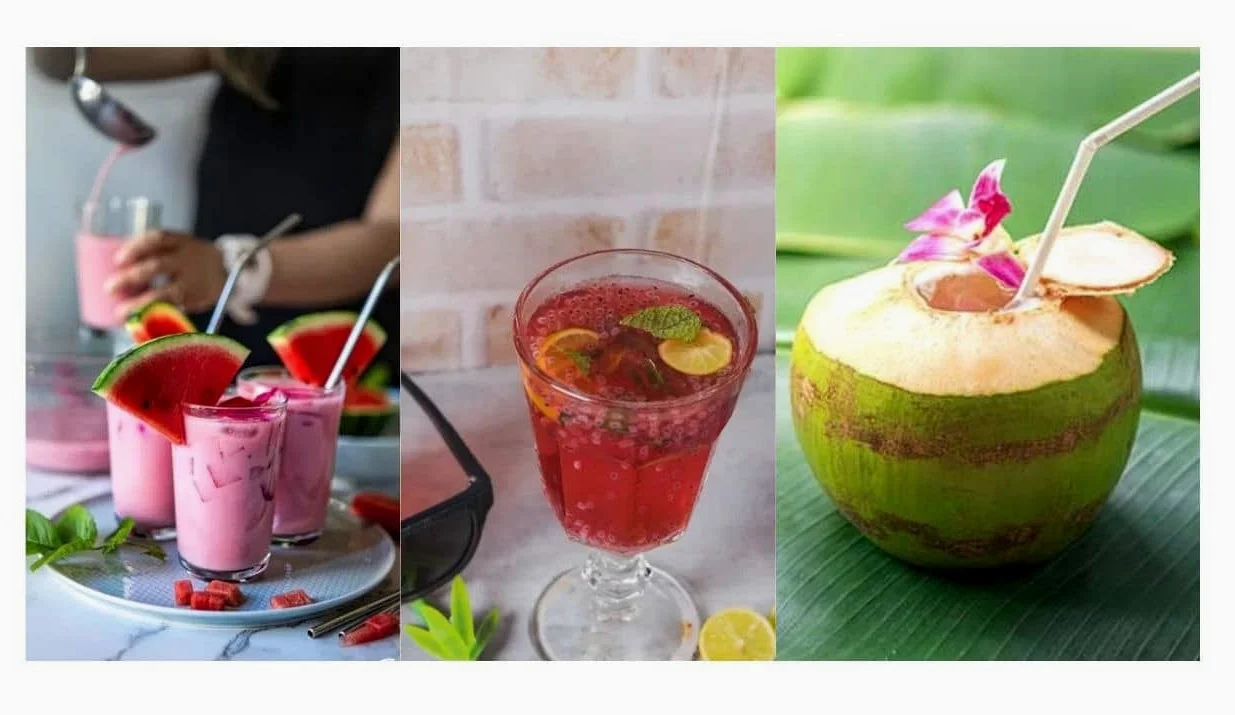
Muslims worldwide observe Ramadan with fasts from dawn to sunset, relying on carefully chosen iftar drinks to replenish after hours without food or water. Coconut water tops the list as a natural electrolyte source rich in potassium and magnesium, according to nutritionists. It restores minerals lost during fasting without the crash from processed sugars.
Freshly squeezed juices from watermelon, oranges or pomegranates deliver vitamins and antioxidants alongside hydration. Officials at health organizations like the World Health Organization stress avoiding added sugars in these drinks to prevent energy dips later in the evening. A simple glass of watermelon juice, for instance, quenches thirst while supporting immune function through its high water content.
The traditional pairing of milk and dates offers gentle nourishment right at iftar. Dates provide instant natural sugars for an energy boost, while milk supplies proteins and fluids. This combination, rooted in prophetic traditions, eases the stomach after prolonged emptiness and prepares the body for the night’s prayers and meals.
Lemon water follows closely, whether served warm or chilled. Squeezed fresh with a touch of honey, it aids digestion and delivers vitamin C. The citrus kick cleanses the system and refreshes without overwhelming the palate, making it ideal to sip before heavier foods.
Smoothies blend fruits like bananas or berries with yogurt or milk for a filling option. A banana-date smoothie sustains through the evening, and nutrition reports note its suitability for suhoor, the pre-dawn meal. These mixes keep blood sugar stable and provide lasting fullness.
Clear soup broths, such as lentil or chicken varieties, warm and hydrate gently. They deliver electrolytes and prepare the digestive tract for iftar spreads. In many households, a bowl of broth starts the meal, bridging the fast with more substantial dishes.
Rooh Afza sharbat remains a beloved classic. Diluted with chilled water or milk and loaded with ice, this syrup infuses floral sweetness and rapid hydration. Popular across South Asia, it revives fasters quickly after the Maghrib call to prayer.
Hydration choices matter deeply during Ramadan, which falls in the ninth month of the Islamic lunar calendar. The fast, known as Roza, demands drinks that go beyond quenching thirst—they renew electrolytes, stabilize energy and honor the body’s needs. Sugary fizzy beverages tempt but often lead to bloating, as dietitians warn. Opting for these wholesome alternatives supports health through 29 or 30 days of observance, ending with Eid al-Fitr celebrations.
Families gather at sunset, often after sighting the crescent moon, to share these drinks amid communal salah. In regions like the Middle East and South Asia, iftar tables feature vibrant pitchers of these refreshments. Public health campaigns this year emphasize natural hydration to combat dehydration risks in warmer climates.






Comments
No comments yet
Be the first to share your thoughts