

 Reuters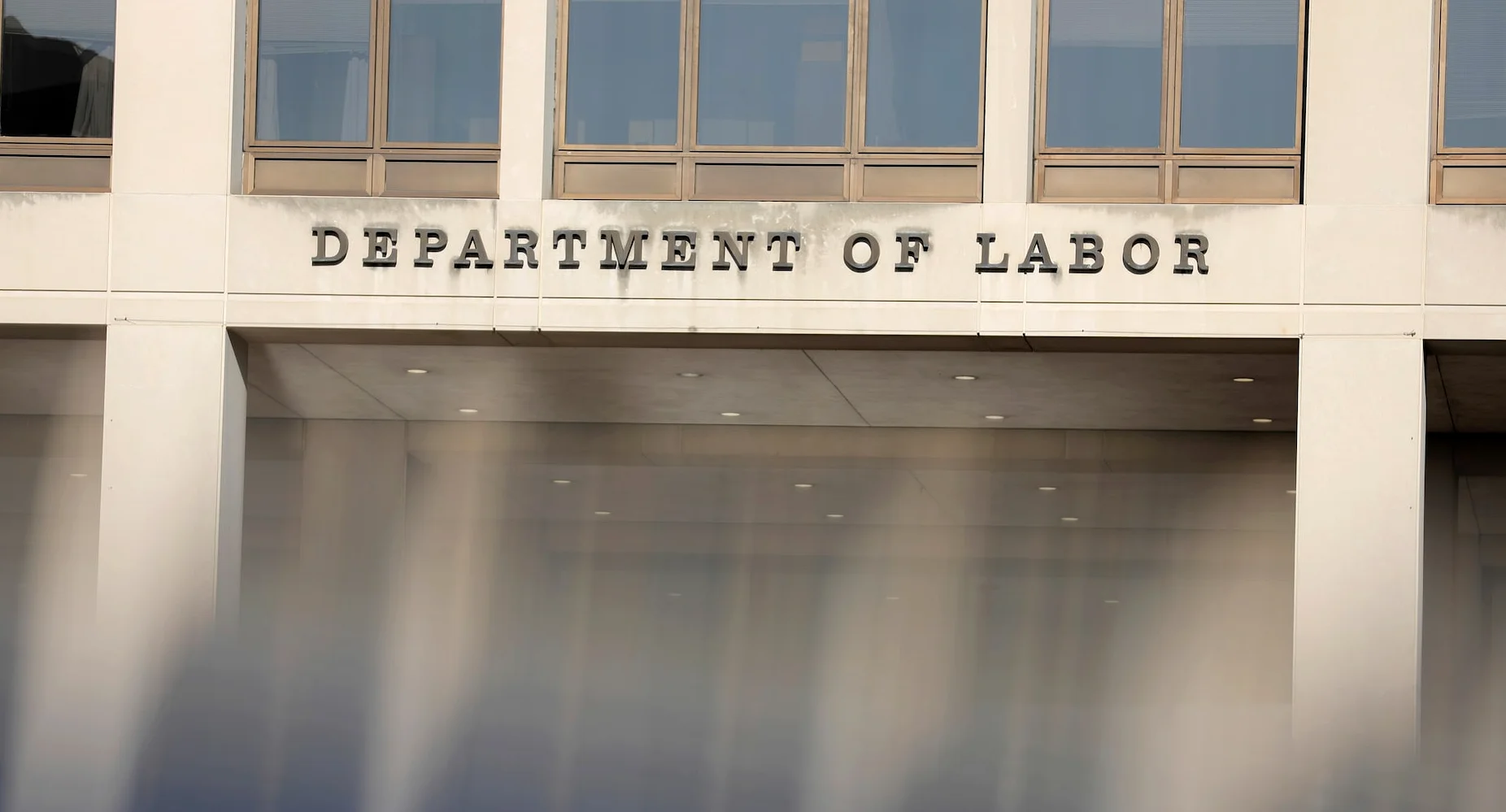
The U.S. Department of Labor has revealed a proposal to repeal a 2024 rule that redefined how independent contractors are classified, a move that has drawn significant attention from business groups and industries that rely heavily on contract labor. The rule, which was put in place during the Biden administration, required companies to treat workers as employees under federal wage law when they are ‘economically dependent’ on the company for work. The Trump administration argues that the rule is legally flawed and has limited the flexibility that comes with independent contracting.
Impact on Major Industries
The repeal of this rule would be a boon for a range of industries, including trucking, healthcare, retail sales, and app-based transportation and delivery services such as Uber and Instacart. These industries rely heavily on independent contractors and have faced numerous lawsuits over misclassifying workers to reduce labor costs. Employees typically cost businesses up to 30% more than independent contractors, according to several surveys, due to benefits such as minimum wage, overtime pay, and unemployment insurance.
According to the Department of Labor, the new proposal would replace the 2024 rule with a standard that focuses on the level of control companies have over workers, a position favored by business groups. This shift in policy could significantly reduce the financial burden on companies that rely on contract labor.
Legal and Political Context
The classification of workers as either employees or independent contractors has been a contentious issue over the last decade. The 2024 rule had replaced a regulation adopted during Trump’s first term, which stated that workers who own their own businesses or have the ability to work for competing companies, such as a driver who works for both Uber and Lyft, can be treated as contractors. The proposal announced on Thursday would largely revive that standard.
The proposal will be formally published on Friday, initiating a 60-day period for public comment. The Biden-era rule had been expected to trigger a flood of new lawsuits alleging that workers had been misclassified as independent contractors. However, that litigation never materialized, likely due to the limited time the rule was in effect before the Labor Department signaled its intention to repeal it.
The rule was challenged in at least five lawsuits by freelance workers, employers, and business groups. Those cases have either been dismissed or paused pending further rulemaking by the department. A Trump-appointed judge in New Mexico upheld the rule last year, rejecting a trucking company’s claims that the Labor Department had exceeded its powers and improperly tried to rewrite federal law. The company’s appeal has been put on hold and will likely be dismissed once the rule is repealed.
What’s Next for Worker Classification
With the formal proposal now underway, the next step involves a public comment period that will allow stakeholders to voice their opinions. This process will be crucial in shaping the final rule, which could have long-term implications for how workers are classified across various industries. The repeal of the 2024 rule could set a precedent for future policy decisions, particularly regarding the balance between worker protections and business flexibility.
Experts suggest that the new standard may lead to a more uniform approach to worker classification, but it also raises concerns about the potential erosion of worker protections. According to a recent study, nearly 40% of workers in the U.S. are classified as independent contractors, and the shift in policy could affect millions of people.
The Department of Labor has emphasized that the repeal is necessary to ensure that the classification of workers aligns with existing federal laws and does not impose undue burdens on businesses. However, labor advocates argue that the new standard may leave many workers without the protections they are entitled to under the law.






Comments
No comments yet
Be the first to share your thoughts