

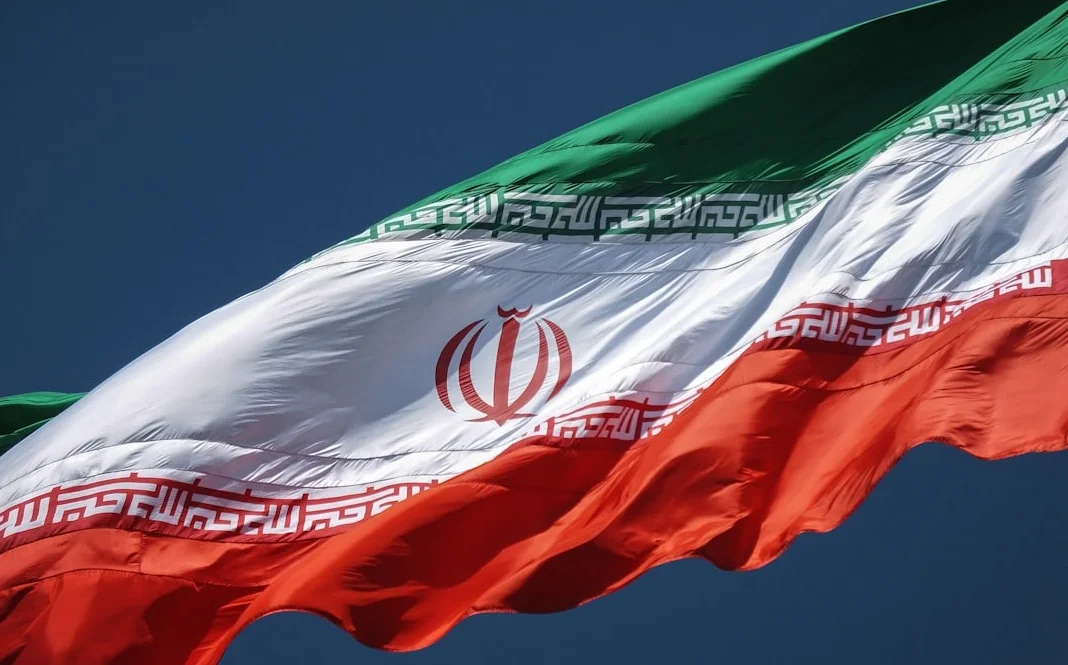
U.S. President Donald Trump and the government of Iran have announced a peace deal to end the ongoing conflict and lift the U.S. naval blockade of the Strait of Hormuz, with the agreement scheduled to be signed June 19 in Switzerland. Pakistani Prime Minister Shehbaz Sharif confirmed the deal Sunday, stating it includes the “immediate and permanent termination of military operations on all fronts, including in Lebanon.” Trump also announced on social media that the Strait would be reopened following the signing of a memorandum of understanding.
Deal Finalized, but Details Remain Classified
Iran’s deputy foreign minister confirmed that the text of the agreement had been finalized and will be signed on Friday, according to Iranian state media. The deal marks a major diplomatic breakthrough after more than three months of war in the Middle East, which had triggered global economic uncertainty. Markets responded positively to the news, with the S&P 500 rising 1.9% and oil prices falling by nearly 5%.
Trump stated in a post that the agreement ensures Iran will never pursue a nuclear weapon and that the U.S. will retrieve and destroy nuclear waste once the situation has calmed down. “Ships of the World, start your engines. Let the oil flow!” he wrote, alluding to the reopening of the Strait of Hormuz, a critical global oil transit point.
Disputes Over Agreement’s Validity
However, the announcement was not universally accepted. Iranian state media initially reported that no final agreement had yet been reached, with the foreign ministry stating that “no final conclusion has been reached regarding the agreement.” The Iranian government added that it would make an announcement when the deal was finalized. Meanwhile, Trump insisted that Iranian Supreme Leader Ayatollah Ali Khamenei had already approved the deal, adding credibility to the U.S. administration’s claims.
Trump has previously claimed progress on an Iran deal multiple times, with CNN reporting 39 separate announcements. This time, however, Qatari negotiators were reported to have flown to Tehran to facilitate the finalization of the agreement. They held 17 hours of intensive negotiations before departing, with further preparatory meetings scheduled in Doha ahead of the official signing.
Remaining Challenges and Unanswered Questions
While the agreement is expected to end sporadic attacks and halt the Israel-Hezbollah conflict in Lebanon, it does not resolve several critical issues that remain to be negotiated. Trump acknowledged as much, stating that the full text of the agreement would be made public “probably pretty soon,” but not immediately. He also continued his criticism of the previous Obama-era Iran deal, which he described as “one of the worst and dumbest Deals ever made by the U.S.”
Iran, too, has been cautious. The country’s Supreme National Security Council said the deal was reached “following a difficult and intensive period of negotiations lasting several months,” but did not confirm all the terms. Iranian state media also suggested that the agreement had not yet been finalized, adding to the uncertainty.
Trump said during a meeting with French President Emmanuel Macron at a G7 meeting that “the deal’s all signed,” but he added that details would be released “sometime in the very near future.” The U.S. and Iran have been engaged in a complex diplomatic effort involving multiple intermediaries, including Pakistan and Qatar, to reach this point.





Comments
No comments yet
Be the first to share your thoughts