

 The Guardian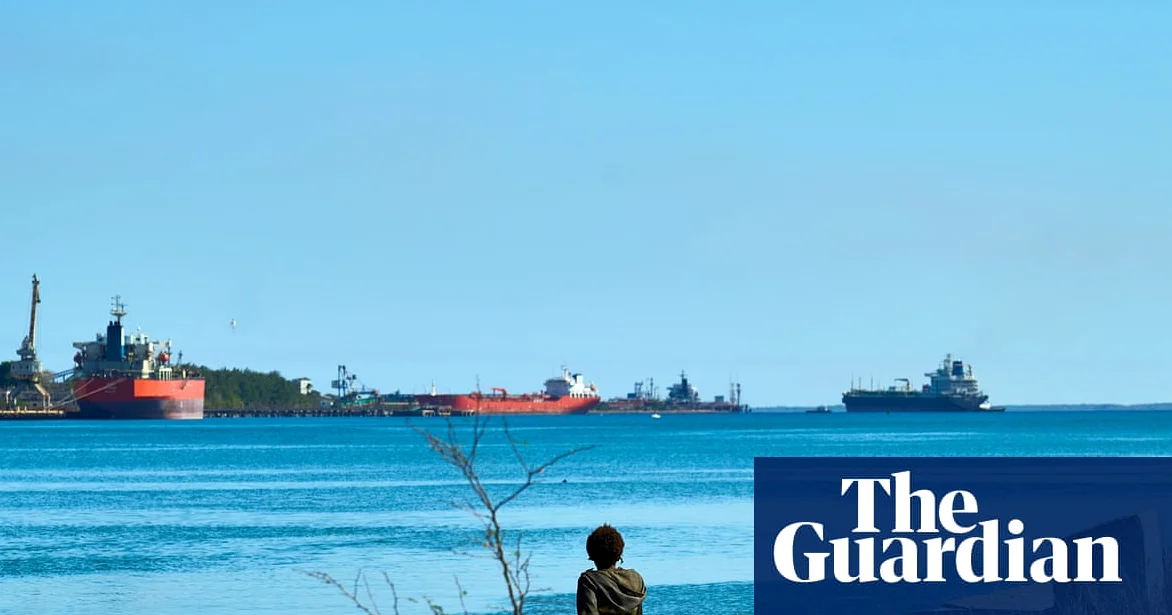
Donald Trump has signaled a new flexibility in allowing oil into Cuba, hours before a Russian oil tanker under US sanctions was due to arrive in the Caribbean island, according to The Guardian. Speaking to reporters aboard Air Force One, the president said: “If a country wants to send some oil into Cuba, right now, I have no problem whether it’s Russia or not.” This statement comes as a Russian oil tanker, the Anatoly Kolodkin, loaded with 730,000 barrels of crude, approaches the Cuban coast, potentially marking a shift in the de facto oil blockade imposed by the Trump administration.
Background of the Oil Blockade
Until now, the Trump administration had effectively prevented all oil shipments to Cuba in an attempt to pressure the government in Havana. This policy was part of a broader strategy to isolate the Cuban regime and weaken its economy through economic pressure. The administration had issued a series of threatening statements, including warnings that it would impose tariffs on any country sending oil to Cuba and even mused about “taking” the island.
The move to allow the Russian oil shipment to proceed follows a report by the New York Times that the US would permit the Russian tanker to reach Cuba, granting a lifeline to the island nation amid a worsening energy crisis. The report noted it was unclear why the Trump administration was allowing the shipment to go through. A move by Washington to block the tanker by force could have raised tensions at sea with Russia.
The Russian tanker, the Anatoly Kolodkin, is expected to discharge at Cuba’s Matanzas port if it does not change its current course, according to tracking services MarineTraffic and LSEG. The thousands of barrels of crude would provide significant relief to Cuba, which, according to President Miguel Díaz-Canel, has not received any oil imports for three months, leading to strict rationing of gasoline and exacerbating an energy crisis that has resulted in multiple power outages across the Caribbean island nation.
Impact on Cuba’s Energy Crisis
Cuba lost its main regional ally and oil supplier in January when US forces captured Venezuela’s president, Nicolás Maduro. Trump’s administration has since threatened to impose tariffs on any country sending oil to Cuba. The energy crisis has forced the Cuban government to implement emergency measures to conserve fuel, including strict rationing of gasoline, soaring fuel prices, dwindling public transport, and the suspension of flights by some airlines, all of which have hit the country’s fragile economy.
Jorge Pinon, an expert on Cuba’s energy sector at the University of Texas at Austin, said he was surprised the US did not try to intercept the Russian tanker before it approached Cuba. Once the boat enters Cuban waters, he said, it “is almost impossible for the US government to stop it.”
The Russian shipment could be converted into 250,000 barrels of diesel, enough to cover the country’s demand for about 12.5 days, according to Pinon. This would be a temporary but significant relief for a country that has been struggling with energy shortages for months.
Why It Matters for Ordinary Cubans
The energy crisis has had a tangible impact on everyday life in Cuba. With no oil imports for three months, the government has had to ration gasoline, leading to long lines at fuel stations and the forced shutdown of many vehicles. Power outages have become more frequent, affecting homes, hospitals, and businesses. The lack of reliable energy has also disrupted essential services, including public transportation and healthcare.
For ordinary Cubans, the arrival of the Russian oil tanker could mean a temporary reprieve from the worst effects of the energy crisis. The 250,000 barrels of diesel could help restore some level of normalcy, allowing public transport to resume and hospitals to maintain critical operations. However, the long-term solution to Cuba’s energy problems remains unclear, as the country continues to rely heavily on oil imports.
The shift in US policy under Trump has raised questions about the administration’s priorities in relation to Cuba. While the president has previously threatened to impose tariffs on countries sending oil to Cuba, his recent comments suggest a more flexible approach. This shift could be a response to growing pressure from Cuban officials and the international community, which has criticized the US for its economic sanctions against Cuba.
What’s next for Cuba’s energy situation remains uncertain. The arrival of the Russian oil tanker is a temporary solution, but the country will need a more sustainable approach to address its long-term energy needs. The Trump administration’s stance on Cuba has been inconsistent, and it remains to be seen whether this new flexibility will lead to a more permanent policy shift.
As the Anatoly Kolodkin approaches Cuban waters, the world will be watching to see how this development unfolds. For now, the Cuban people may be holding their breath, hoping that this shipment will bring some relief to a nation in crisis.





Comments
No comments yet
Be the first to share your thoughts