

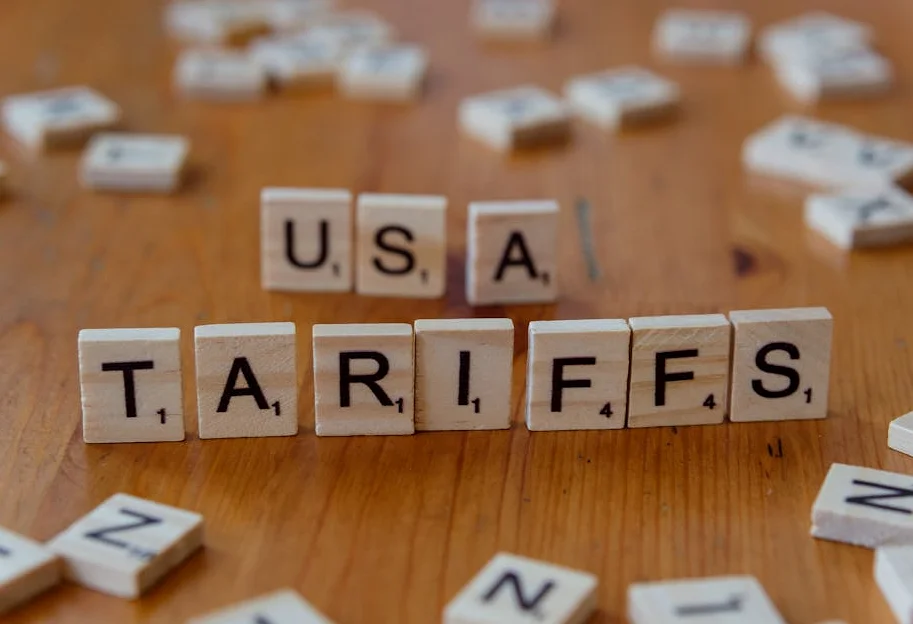
President Donald Trump issued an executive order on Friday that immediately halts the collection of extra tariffs tied to several earlier presidential actions. Those duties, imposed under the International Emergency Economic Powers Act and other authorities, addressed national security concerns, trade imbalances and foreign threats, according to the White House.
“In light of recent events, the additional ad valorem duties imposed pursuant to IEEPA … shall no longer be in effect and, as soon as practicable, shall no longer be collected,” the order states.
The decision caps a major legal setback for the administration. The U.S. Supreme Court ruled earlier this week that most of Trump’s tariffs exceeded executive authority. Justices found the measures violated statutory limits on presidential power over trade policy. The high court preserved only a narrow set of duties linked directly to verified national security risks.
White House officials confirmed the order takes effect right away. Customs and Border Protection directed agents to stop collecting the disputed tariffs on imports starting Monday. Affected goods include steel from Canada and Mexico, aluminum from the European Union and various consumer products from China.
Trump first invoked IEEPA in 2018 to justify broad tariff hikes. He argued the powers granted under the 1977 law allowed swift action against economic threats. Critics, including U.S. businesses and trading partners, challenged the moves in court. They claimed the president stretched IEEPA beyond its intent to handle true emergencies like wars or invasions.
The Supreme Court’s ruling, issued Tuesday in a 6-3 decision, drew sharp dissents. Chief Justice John Roberts wrote for the majority, stressing Congress’s primary role in trade matters. “The Constitution assigns tariff authority to lawmakers, not the executive,” the opinion read. Justice Brett Kavanaugh concurred but noted limited presidential leeway in crises.
Business groups hailed the outcome. The U.S. Chamber of Commerce called it a “victory for rule of law and American consumers.” Retailers estimated the tariffs had added $80 billion in costs since 2018, passed on through higher prices. Manufacturers in auto, appliance and construction sectors faced the steepest hits.
Trading partners reacted swiftly. Canadian Prime Minister Justin Trudeau welcomed the tariff suspension, saying it removes a “major irritant” in bilateral ties. The European Union trade commissioner pledged to monitor U.S. compliance and avoid retaliation. Beijing offered no immediate comment but analysts expect China to hold off on counter-tariffs pending full implementation.
The White House framed the order as pragmatic. Spokesman Sean Spicer told reporters Trump remains committed to fair trade but respects judicial boundaries. “The president acted decisively to protect jobs and security. Now we pivot to new strategies,” Spicer said.
Details on refunds remain unclear. Officials said importers who paid the duties since the Supreme Court ruling may seek reimbursements through existing processes. Larger questions loom over pre-ruling collections, potentially sparking new lawsuits.
Congress watched closely. Senate Finance Committee Chairman Chuck Grassley, R-Iowa, praised the court and urged legislative fixes. “Time for a modern trade enforcement bill,” he posted on social media. House Democrats pushed for hearings on tariff revenue losses, estimated at $20 billion annually.
The episode highlights tensions in U.S. trade policy. Trump campaigned on tariffs as use against unfair practices. Yet courts and markets pushed back, forcing adjustments. Economists predict short-term relief for supply chains but warn of uncertainty ahead.
Future actions could target currency manipulation or intellectual property theft, areas where IEEPA claims less controversy. Trump plans a Rose Garden event next week to outline phase two of his trade agenda, sources said.





Comments
No comments yet
Be the first to share your thoughts