

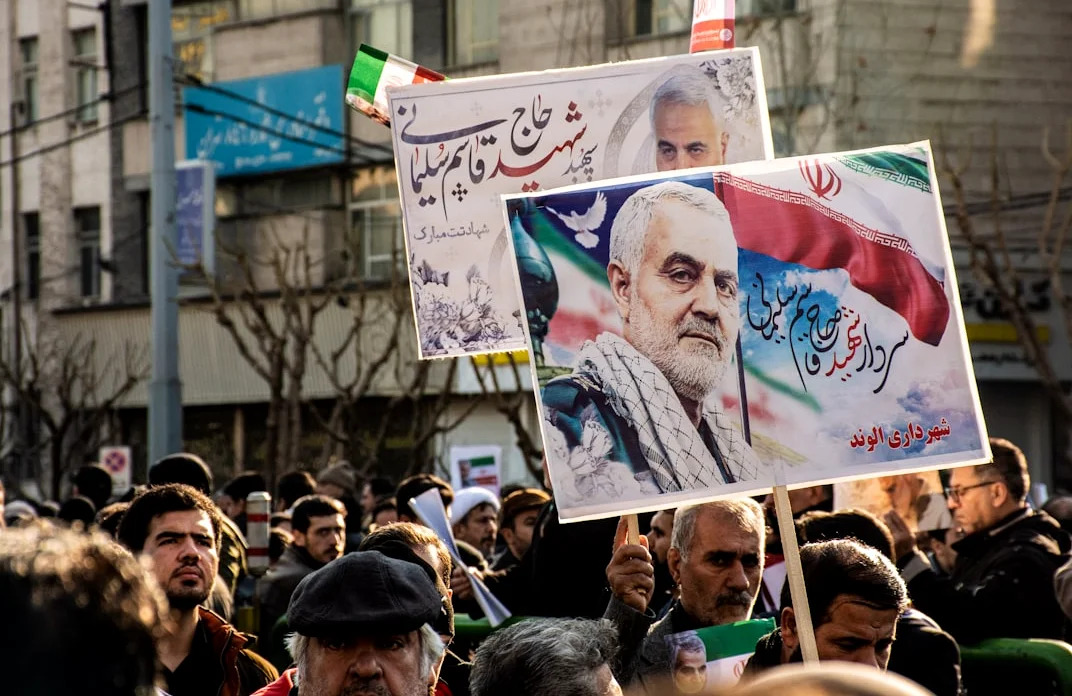
Iran has escalated tensions as Donald Trump’s 48-hour ultimatum to open the Strait of Hormuz approaches, according to BBC and CNN reports. The situation has reached a critical juncture with multiple sources indicating that both sides are preparing for potential military action. According to the International Energy Agency, the current energy crisis is worse than the 1970s oil shocks, as reported by CNN. The crisis has been exacerbated by recent missile attacks and threats of closing the Strait of Hormuz indefinitely, as noted by CNN and BBC.
Escalation of Tensions
The situation has been further complicated by the recent missile attacks on US-UK military bases in the Indian Ocean, as reported by CNN. These attacks have raised concerns about Iran’s military capabilities and intentions. According to the BBC. Israeli military has begun a new wave of airstrikes targeting infrastructure in Iran. This development has added to the already volatile situation in the region.
Iran’s response to the ultimatum has been defiant, with officials warning of severe consequences if the demands are not met. According to the Korean source. Iran has issued a stronger warning. Stating that they will retaliate with equal force — this has led to increased military activity in the region, with both sides preparing for potential confrontations.
International Response
The international community has been closely monitoring the situation, with the International Energy Agency (IEA) warning of a potential energy crisis that could be worse than the 1970s oil shocks. According to CNN. The IEA has advised countries to prepare for increased energy prices and potential shortages, while this has led to discussions about releasing strategic oil reserves to mitigate the impact of the crisis.
The UK and the US have also been involved in the crisis, with the UK’s Prime Minister Keir Starmer discussing the need to open the Strait of Hormuz with Donald Trump, as reported by the BBC. This meeting has highlighted the importance of maintaining open sea lanes to prevent further economic disruption.
Economic Impact
According to CNN. The crisis has had significant economic repercussions, with oil prices rising sharply in response to the heightened tensions. Oil prices have increased by 15% in the past week due to fears of a potential conflict in the region. The International Energy Agency has warned that the situation could lead to a prolonged energy crisis, affecting global markets.
The energy crisis has also impacted the global chip industry, as reported by the German source. The disruption in the supply of natural gas and helium has raised concerns about the availability of critical materials needed for semiconductor production — this has led to discussions about alternative supply chains and the need for diversification to reduce dependency on a single region.
Local Reactions
Local reactions to the crisis have varied, with some countries expressing concern over the potential impact on their economies. In Iran, residents have reported widespread power outages, as noted by the New York Times. This has highlighted the vulnerability of Iran’s energy infrastructure and the potential consequences of prolonged conflict.
In the UK, the focus has been on maintaining open sea lanes to prevent further economic disruption. The UK’s Prime Minister has emphasized the need for international cooperation to ensure the stability of global trade routes. This has led to discussions about increasing naval presence in the region to deter any attempts to close the Strait of Hormuz.
The situation remains highly volatile, with both sides preparing for potential military action. According to the Korean source, the 48-hour ultimatum set by Donald Trump is approaching, and Iran’s response will be major in determining the next steps. If Iran fails to comply with the demands, the risk of military confrontation increases significantly.
The international community is closely watching the developments, with the International Energy Agency urging countries to prepare for potential energy shortages. The situation could have far-reaching consequences, not only for the region but also for the global economy. The outcome of the crisis will depend on the willingness of both sides to de-escalate tensions and find a diplomatic solution.






Comments
No comments yet
Be the first to share your thoughts